The world of professional bodybuilding is in mourning following the passing of Bill Grant, a titan of the sport whose career spanned the most transformative decades of iron history. Known to legions of fans as the "Man of Steel," Grant passed away at the age of 79, leaving behind a legacy defined by aesthetic perfection, indomitable spirit, and a lifelong commitment to physical culture. As news of his death on June 3, 2026, rippled through the fitness community, tributes from legends, peers, and fans poured in, underscoring the immense impact he had on the sport.
A Legacy Etched in Iron: Main Facts and Significance
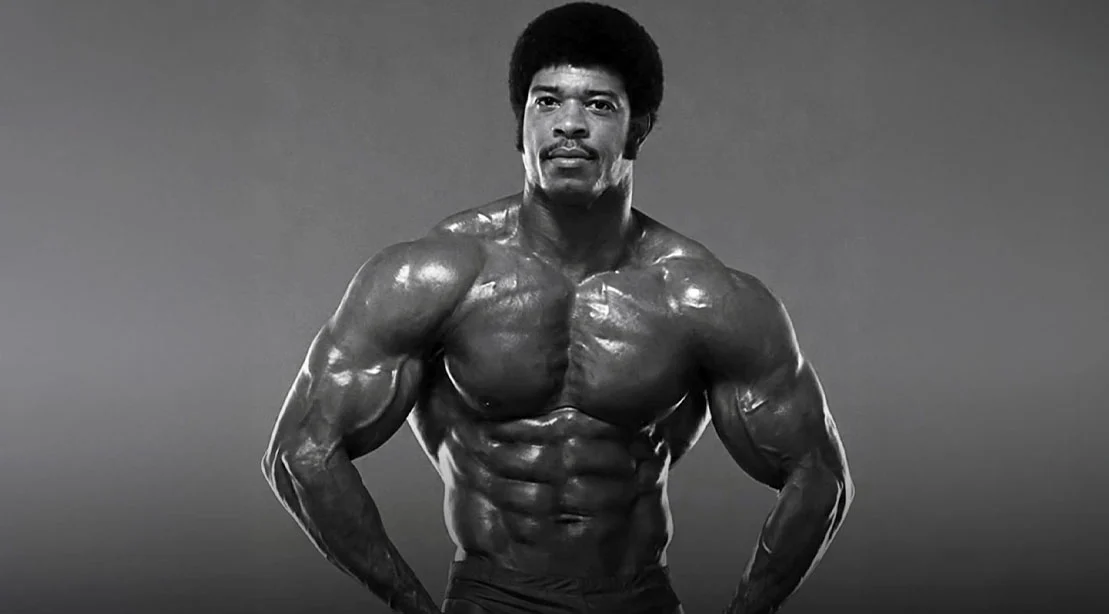
Bill Grant was not merely a competitor; he was a bridge between the early days of bodybuilding and the high-production era that followed. Standing as a hallmark of the "Golden Era"—a time characterized by vacuum poses, sweeping lines, and an emphasis on symmetry over pure mass—Grant’s physique served as the blueprint for what many enthusiasts consider the ideal human form.
Born on September 27, 1946, in East Orange, New Jersey, Grant’s journey into the sport was born of necessity. Often bullied as a child, Grant found his refuge and his strength within the four walls of his local YMCA. His transition from a self-described "skinny kid" who couldn’t make the football team to an international champion is a quintessential underdog story. Over the course of his career, he graced the stages of the most prestigious competitions in the world, including the Mr. Olympia, Mr. World, and Mr. International, consistently proving that dedication to the craft could overcome any physical disadvantage.
The Path to Greatness: A Chronological Journey
To understand the magnitude of Bill Grant’s contribution, one must look at the timeline of his ascent. His commitment to bodybuilding began at the age of nine, an early age that would eventually foster a deep-seated discipline.
The Formative Years
Grant’s training began in the most humble of settings: his bedroom and a friend’s backyard. With limited equipment but an abundance of curiosity, he began devouring bodybuilding magazines, finding inspiration in the legends of the time such as Serge Nubret, Sergio Oliva, and Reg Park. This self-education proved invaluable. Through sheer trial and error, he learned the nuances of hypertrophy and nutrition long before the advent of modern exercise science.
Breaking into the Competitive Scene
Grant’s competitive debut in his mid-twenties at the Mr. USA event saw him finish in a respectable sixth place. While not a victory, it was the validation he needed to pursue the sport full-time. He moved with purpose, refining his training splits and dialing in his diet. By 1972, the hard work paid dividends as he secured first place at the Mr. World competition. This victory served as the catalyst for a two-decade-long career that saw him collect trophies across the United States and Europe.
The Peak of Professionalism
Between 1976 and 1984, Grant became a mainstay in the Mr. Olympia lineup, the pinnacle of the sport. His career-high finish of fourth place remains a testament to his ability to hold his own against the absolute icons of the sport’s most competitive period. Whether it was the classic lines or the impeccable symmetry he brought to the stage, Grant was widely regarded as a "poser’s poser," known for his elegance under the bright lights.
The Physical Transformation: Supporting Data and Philosophy
Grant’s transformation was nothing short of miraculous. In just four years of consistent training at his local YMCA, he added 45 pounds of lean muscle to his frame. This was not the result of fleeting motivation, but rather a religious adherence to the principles of progressive overload and caloric surplus.
In his own words, as preserved on his official website, Grant often spoke of his motivation: "I was always picked on, beaten by everybody even by the girls. I got tired of being beaten all the time. I loved sport, but I couldn’t play football because I was too small." This pain became the fuel for his success. He moved past the feelings of inadequacy by crafting a body that commanded respect.
His training philosophy centered on "aesthetic physique, symmetry, and classic lines." While modern bodybuilding has shifted toward extreme muscular hypertrophy, Grant remained a staunch advocate for the aesthetic values of the 1970s. He believed that the human body should be a work of art, not just a display of sheer volume. This commitment to the "classic" look made him a timeless figure in the eyes of fans who preferred the sculpted look of the Golden Era over the mass-monster trends of later years.
Official Responses and Tributes
The announcement of his passing triggered an outpouring of grief from those who shared the stage with him. Shawn Ray, a multi-time Mr. Olympia competitor and one of the sport’s most vocal historians, took to Instagram on June 3, 2026, to express his sorrow. "Sad news today as legend, Bill Grant has passed away," Ray wrote. "Bill was born on September 27, 1946. Bill was 79 years old. Condolences to his family and friends."
The Arnold Sports official Instagram channel also paid tribute, highlighting Grant’s grace and influence: "Bill was admired for his aesthetic physique, symmetry, and classic lines… he shared the stage with many of the sport’s most legendary competitors during one of bodybuilding’s most iconic eras."
Perhaps most poignantly, the statement released by Grant’s official account captured the multifaceted nature of his character: "To the bodybuilding world, Bill was one of the iconic personalities of the Golden Era, a champion, mentor, training partner, and inspiration to generations of athletes around the world. His passion for bodybuilding, his discipline, knowledge, humor, and larger-than-life personality left a lasting mark on everyone who knew him."
The Enduring Implications of Grant’s Life
The loss of Bill Grant is more than the loss of an athlete; it is the loss of a repository of knowledge from a bygone era. As the sport of bodybuilding continues to evolve, the lessons taught by the "Man of Steel" remain relevant.
The Mentor and the Motivator
Grant did not walk away from the sport when his competitive career ended. He transitioned into the role of a mentor and educator. His influence on the next generation was not just through his physical stats, but through his philosophy of discipline. He proved that longevity in bodybuilding is not about the substances or the shortcuts, but about the "knowledge and humor" one brings to the training environment.
A Lasting Cultural Mark
The "Golden Era" is often mythologized, but individuals like Grant remind us that it was built on the backs of real people who struggled with the same insecurities as the average person. By openly discussing his childhood experiences with bullying, Grant humanized the sport. He showed that the weight room was not just a place to get big; it was a sanctuary for personal growth and emotional resilience.
Looking Forward
While the cause of death has not been disclosed, the bodybuilding community has already begun to shift its focus toward preserving his legacy. Plans for memorials and retrospectives are being discussed by various organizations, ensuring that the "Man of Steel" is not forgotten by the newer generation of athletes.
The staff at Muscle & Fitness joins the rest of the world in mourning this loss. We recognize that legends like Bill Grant are the foundation upon which our current culture of fitness is built. He taught us that with a big heart and a massive amount of discipline, anyone can overcome their circumstances.
As we reflect on his life, we are reminded that while the muscles may fade, the impact of a life dedicated to excellence and mentorship is permanent. Bill Grant may have left the stage, but the lines he carved into the history of bodybuilding remain as sharp and as defined as they were in his prime. Rest in power, Man of Steel. Your iron legacy is secure.