The American dining landscape is undergoing a profound and painful transformation. As inflation continues to reshape household budgets, the "dining out" economy—once a reliable pillar of American consumer behavior—is facing an existential reckoning. Across the nation, major restaurant chains are quietly shuttering hundreds of underperforming locations, signaling a strategic retreat in an era where consumers are increasingly prioritizing grocery savings over the convenience of fast-casual or quick-service meals.
This wave of closures is not merely a reaction to short-term economic fluctuations; it represents a broader structural pivot. For many legacy brands, the 2026 fiscal year has become a period of "right-sizing," where efficiency, footprint optimization, and value-focused business models have replaced the aggressive, open-at-all-costs expansion strategies of the previous decade.
The Catalyst: A Shifting Consumer Paradigm
The primary driver behind this mass consolidation is a cooling in consumer demand. As the cost of living remains high, the "value proposition" of dining out has eroded. When a standard fast-food meal rivals the cost of a home-cooked dinner for a family of four, the math becomes increasingly difficult for the average American.
Market analysts observe that foot traffic in the quick-service restaurant (QSR) sector has hit a plateau. Consumers are opting to trade down, choosing to cook at home, or migrating toward deep-value retailers. For restaurant operators, this means that locations that were once profitable are now dragging down balance sheets. To remain solvent and attractive to shareholders, parent companies are pruning their portfolios, closing "zombie" stores that fail to meet modern AUV (Average Unit Volume) requirements.
A Chronology of the 2026 Downsizing Trend
The current closures are part of a multi-phase exit strategy for several household names. The following timeline highlights the major players currently executing contraction plans:
- Early 2026: Red Lobster begins its high-profile restructuring, closing its oldest continuously operating location as part of a post-bankruptcy survival effort.
- Q1 2026: Jack in the Box accelerates its plan to shed 150–200 units, focusing on long-term sustainability over immediate, wide-scale presence.
- Q2 2026: Wendy’s reports a sharp 7% drop in same-store sales, triggering an aggressive closure of 245 units to date, with expectations to hit 350 by year-end.
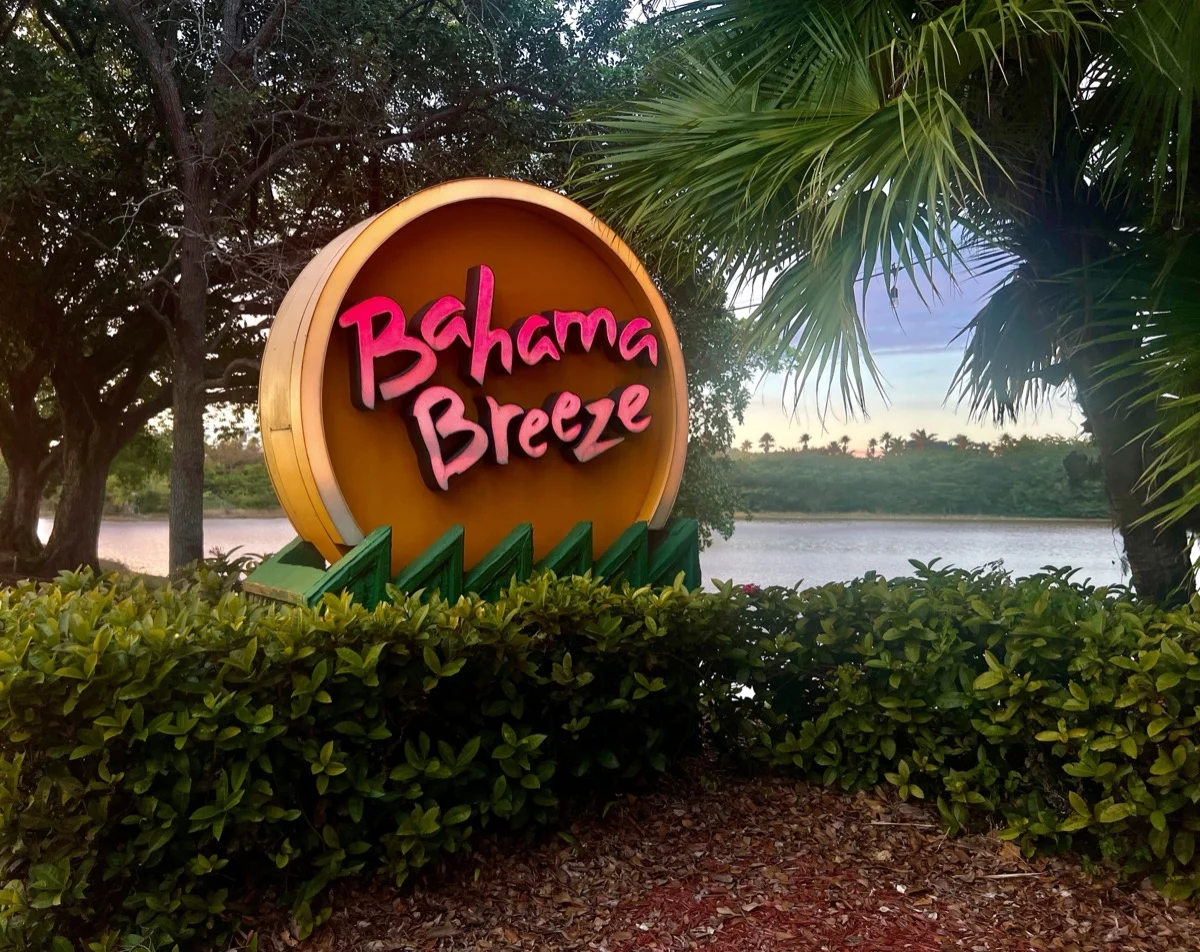
- Mid-2026: Darden Restaurants makes the decisive move to sunset the Bahama Breeze brand entirely, opting to convert remaining viable sites to other, more profitable concepts.
- Late 2026: Pizza Hut continues a methodical cull of 250 locations, while Papa John’s commits to a multi-year exit strategy targeting 500 total closures by 2027.
Deep Dive: The Seven Chains in Transition
1. Pizza Hut: The Scaling Back of a Global Giant
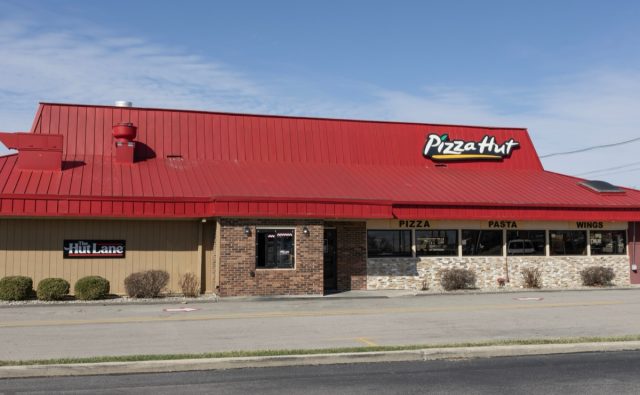
Pizza Hut is perhaps the most visible example of a "correction." Facing intense competition from both national chains and local artisanal pizza shops, the brand has opted to shed 250 underperforming locations this year. While the optics of closure can be negative, the brand maintains that with over 6,700 locations still operating, it is merely optimizing its footprint to ensure that the remaining units are located in high-traffic, high-profit zones.
2. Wendy’s: Confronting Quality Degradation
The situation at Wendy’s is particularly sobering. CEO Bob Wright has been transparent about the company’s failures, noting that the brand’s "quality differentiation has eroded." A 12.5% drop in traffic during the second quarter of 2026 served as a wake-up call. By closing 350 units, the company aims to stop the bleeding and pivot back to a model that emphasizes the specific value proposition that once made the chain a household favorite.
3. Papa John’s: The Push for Operational Excellence
Papa John’s is viewing its 500-unit closure plan (spread across 2026 and 2027) as a strategic advantage rather than a defeat. CFO Ravi Thanawala has argued that by removing lower-performing stores, the company can consolidate resources. The goal is a 3% increase in AUV across remaining sites, allowing franchisees to focus on "operational excellence" rather than managing failing infrastructure.
4. Bahama Breeze: A Brand Sunset
In a rare move, Darden Restaurants has decided to discontinue the Bahama Breeze concept entirely. After 30 years in operation, the brand failed to maintain the margins required in a high-cost environment. While some locations will be rebranded as other Darden assets, the death of the brand marks a cautionary tale about the difficulty of maintaining niche, experience-heavy dining concepts in a climate that favors speed and low cost.
5. Noodles & Company: Proximity Optimization
Noodles & Company is taking a surgical approach, targeting 30 to 35 company-owned closures. CEO Joe Christina has emphasized that these closures are occurring in areas where multiple locations are cannibalizing each other’s revenue. The strategy here is "proximity optimization"—closing redundant stores to allow the remaining, more successful locations to capture the full market share of a specific neighborhood.
6. Jack in the Box: Building a Foundation
For Jack in the Box, 2026 is a transition year. With 150–200 closures planned, CEO Lance Tucker characterizes the move as "laying the foundation for sustainable long-term growth." The brand is heavily investing in technology and a revamped value menu, betting that a smaller, more tech-forward footprint will prove more resilient than the expansive, legacy-heavy model they operated previously.
7. Red Lobster: Post-Bankruptcy Rebirth
Red Lobster’s situation is perhaps the most precarious. After filing for bankruptcy, the seafood chain is fighting to repair a "damaged brand." The closure of its flagship Times Square location and its oldest store were symbolic acts of shedding dead weight. The path forward for the chain involves becoming significantly smaller and leaner to avoid a repeat of the financial collapse that nearly wiped the company off the map.
Supporting Data: The Financials Behind the Closures
The data paints a clear picture: The era of "growth at all costs" is dead. In the current economic climate, the following metrics have become the primary drivers for closure decisions:
- Same-Store Sales Growth: A sustained negative trend in this metric for four consecutive quarters is now an industry standard trigger for re-evaluating a location’s lease.
- Labor Costs vs. Revenue: With minimum wage increases in several states, the "break-even" point for a QSR location has shifted upward, making smaller, lower-revenue stores mathematically impossible to maintain.
- Operating Margins: Companies are now prioritizing a 15–20% operating margin per store. Any unit consistently falling below the 10% threshold is being flagged for liquidation or conversion.
Official Responses and Strategic Pivot
Most companies are framing these closures as a "necessary evolution." The prevailing rhetoric from executive suites is one of "sustainable growth." By cutting the bottom 10% of their portfolios, these chains are essentially attempting to increase their overall efficiency, boost the earnings of their remaining franchisees, and modernize their technological capabilities.
However, industry insiders note that there is a secondary motive: Lease Re-negotiation. In many cases, these closures allow parent companies to terminate disadvantageous long-term leases, giving them the leverage to re-enter markets later with smaller, more efficient "express" style formats.
Implications: What This Means for the Consumer
The implications for the American diner are two-fold:
- Increased Competition for Quality: As chains shrink, the remaining locations are likely to see an increase in foot traffic. While this helps the bottom line, it may lead to longer wait times and decreased service quality if the staff is not scaled accordingly.
- The Rise of Value-Focused Dining: The brands that survive this wave will be those that successfully balance price and quality. The "middle-ground" restaurant—which offers neither the extreme low price of fast food nor the experience of casual dining—is at the highest risk of extinction.
Conclusion: A Leaner Future
The dining industry is not disappearing, but it is certainly changing shape. The mass shuttering of locations in 2026 serves as a correction to years of over-expansion. For the consumer, this means fewer options in some neighborhoods, but likely a more focused and stable experience at the remaining locations. As these companies navigate this transition, the ultimate winners will be the brands that prioritize the customer’s wallet while maintaining the operational standards that defined their original success.
The "Great Contraction" is not just about closing doors; it is about finding a way to keep the remaining ones open in a world that is becoming increasingly expensive for everyone involved.