








The release of the 2025–2030 Dietary Guidelines for Americans (DGAs) has ignited a firestorm within the public health community. While the federal government’s latest installment arrives with the promising, simplified mantra to "eat real food," the document is being met with significant skepticism from nutrition scientists and policy experts. At the heart of the controversy is a fundamental tension between the Guidelines’ written recommendations—which maintain a stance against excess sugar and processed foods—and a new, visually prominent food pyramid that appears to champion high-saturated-fat animal products.
As federal agencies grapple with the complexities of modern dietary habits, this latest iteration of the DGAs leaves many asking whether the guidance serves the public interest or if it has been compromised by the very industries it seeks to regulate.
The Core Facts: A New Direction or a Step Backward?
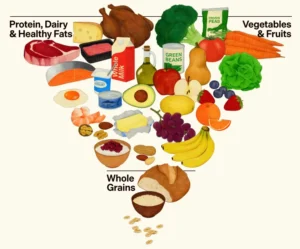
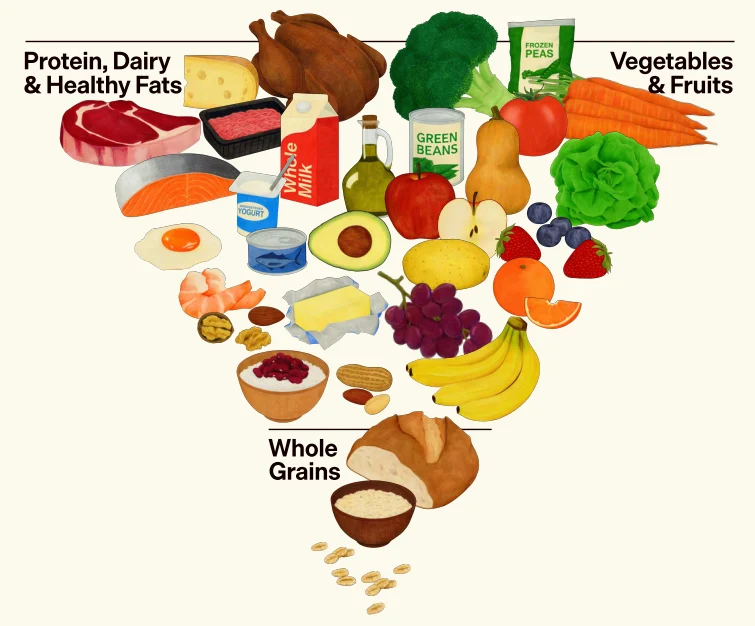
The 2025–2030 Dietary Guidelines for Americans represent the federal government’s blueprint for national health. This edition attempts a more consumer-friendly approach, utilizing a streamlined website and a revamped graphic—a pyramid turned on its head—to communicate nutritional priorities.
The headline takeaways are twofold:
- A War on Processing: For the first time, the DGAs explicitly target "highly processed foods," advising citizens to steer clear of sugar-sweetened beverages, refined grains, and packaged snacks.
- Strict Sugar Limits: The guidelines have tightened the reins on added sugars, suggesting that no meal should contain more than 10 grams of added sugar and advising that children avoid added sugars entirely until age 10—a significant increase from the previous two-year-old threshold.
However, these positive steps are clouded by a visual and structural contradiction. While the text retains the scientifically backed limit that saturated fat should constitute no more than 10% of total daily calories, the accompanying "New Food Pyramid" highlights steak, butter, and full-fat dairy as central components of a daily diet. Experts argue that this visual framing undermines the text, creating a "mixed-message" environment that could lead to increased cardiovascular risk among an already health-challenged population.
A Chronology of the Process: The Disrupted Path to Publication
To understand the confusion surrounding the 2025–2030 DGAs, one must examine the process by which they were created. Traditionally, the DGAs follow a rigorous, transparent pathway:
- The Advisory Committee: A group of independent nutrition science experts is appointed to conduct a systematic, evidence-based review. This process is livestreamed, open to public comment, and designed to be free from industry influence.
- The Scientific Report: The committee produces a comprehensive report based on the best available data.
- The Executive Review: The U.S. Departments of Agriculture (USDA) and Health and Human Services (HHS) take this report to develop the final policy.
This cycle, however, deviated from the norm. The independent committee’s scientific report was rejected by the current administration. In its place, a "supplemental scientific analysis" was conducted by a group selected via a federal contracting process. This shift has raised alarm bells. Deirdre Tobias, a professor at the Harvard T.H. Chan School of Public Health and a member of the original committee, has publicly noted the lack of transparency in this supplemental process. The methodology lacks the rigorous, replicable standards of the past, and reports have already emerged linking members of this supplemental panel to financial ties within the beef and dairy industries.
Supporting Data: The Saturated Fat Math
The disconnect between the guidelines and reality becomes glaring when looking at the "saturated fat math."
Consider a standard 2,000-calorie diet. At a 10% limit, an individual is allotted roughly 22 grams of saturated fat per day. The new DGAs suggest three servings of dairy daily. If a consumer follows the visual cues of the pyramid—opting for full-fat Greek yogurt, cheddar cheese, and whole milk—they will hit 17 grams of saturated fat from dairy alone.
When you add a single tablespoon of butter or beef tallow—both of which are prominently featured as recommended cooking fats in the new literature—you have effectively surpassed your daily limit before consuming a single bite of vegetables, grains, or protein.
Dr. Frank Hu, chair of the Department of Nutrition at Harvard, emphasizes that the issue is not just the quantity of fat, but the type. "All plant oils—such as soybean and canola—have been shown to lower LDL cholesterol and cardiovascular risk compared with animal fats like butter or tropical fats like coconut oil," says Dr. Hu. The current guidelines fail to make this distinction, grouping animal-based saturated fats with heart-healthy, unsaturated plant-based sources.
Official Responses and Expert Critique
The scientific community has been vocal in its critique. The primary grievance is the failure of the guidelines to provide clear, actionable advice on the "protein package." While the guidelines call for a "variety of protein foods," they fail to differentiate between the health outcomes of red meat versus plant-based proteins or fish.
"Substantially raising overall protein intake without distinguishing between different protein sources may have unintended long-term health implications," Dr. Hu warns. The current recommendation of 1.2 to 1.6 grams of protein per kilogram of body weight is significantly higher than previous minimums, potentially encouraging excess consumption in a population that is already consuming more than enough protein.
Furthermore, the guidelines remain silent on the environmental impact of food production. As global climate challenges intersect with nutrition, the lack of consideration for the sustainability of our food systems—such as the heavy environmental footprint of industrial beef production—marks a significant missed opportunity for a modern, holistic policy document.
The Implications: What This Means for the American Public
The most profound implication of these guidelines is the potential for public confusion. History suggests that Americans rarely follow the DGAs with precision, but when they do, the clarity of the message is paramount. By providing conflicting information—warning against heart-disease-linked saturated fats in the text while placing them in the "star" position on the food pyramid—the government risks eroding trust in public health messaging.
Key Implications:
- Increased Cardiovascular Risk: If consumers prioritize the "visual" advice of the pyramid over the "technical" advice of the text, there is a legitimate fear of rising LDL cholesterol levels and increased incidence of heart disease.
- The "Health-Washing" of Processed Goods: While the guidelines do a good job of naming "highly processed foods," the vagueness of the definition and the lack of guidance on how to navigate the modern supermarket shelf leave consumers vulnerable to marketing tactics.
- The Need for Individualized Guidance: Because the DGAs are increasingly viewed as a product of political compromise rather than pure science, the onus is shifting to healthcare providers and registered dietitians to provide personalized, evidence-based plans.
Conclusion: A Call for Transparency
The 2025–2030 Dietary Guidelines for Americans serve as a reminder that nutrition policy is never just about science; it is a complex negotiation of politics, industry interests, and public health. While the pivot toward limiting added sugars and refined carbohydrates is a welcome development, the structural flaws and lack of transparency in the drafting process have compromised the integrity of the document.
For the average American, the best path forward remains the tried-and-true principles of balanced nutrition: prioritizing whole, unprocessed foods, favoring unsaturated fats from plants and fish, and limiting red meat and full-fat dairy. In the absence of a truly objective federal standard, consumers are encouraged to rely on resources like the Healthy Eating Plate and to consult with medical professionals who prioritize the latest, independent scientific evidence over the shifting sands of federal policy.
As we look toward the end of the decade, one thing is clear: the path to a healthier nation requires more than just a new pyramid. It requires a commitment to transparency, a refusal to bow to industry pressure, and a dedication to the rigorous, evidence-based science that the public deserves.