For decades, the prevailing model of appetite was relatively simple: the body signals hunger when energy reserves are low, and the brain prompts the organism to consume calories. However, a groundbreaking study published on May 21 in the journal Science has fundamentally dismantled this simplistic view. Researchers have uncovered a sophisticated, dual-track communication system that suggests the gut acts as an active sensory organ, constantly auditing our nutritional status and directing complex dietary choices with surgical precision.
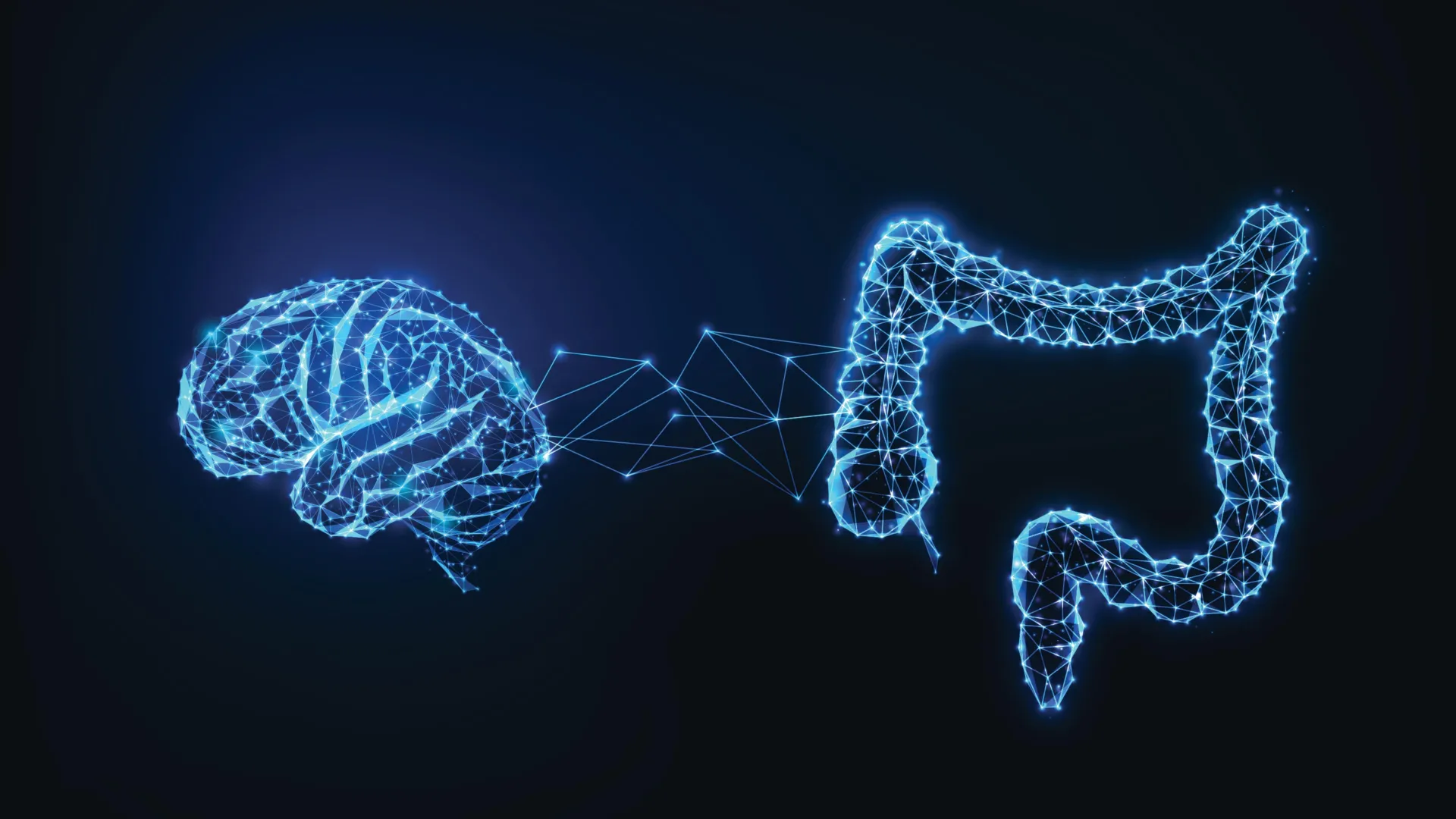
Led by Director SUH Seong-Bae of the Center for Microbiome-Body-Brain Physiology at the Institute for Basic Science (IBS), in collaboration with teams from Seoul National University and Ewha Womans University, the study identifies a hidden "gut-brain axis" that governs protein-seeking behavior. This discovery not only explains how animals detect amino acid deficiencies but also offers a new framework for understanding metabolic disorders, obesity, and the complex relationship between the microbiome and human behavior.
The Biological Imperative: Why Protein Matters
Eating is rarely just about calories. While energy is necessary for survival, the biological machinery of life requires precise building blocks to function. Foremost among these are essential amino acids—the "alphabet" of proteins that the body cannot synthesize on its own. If these are missing, the organism faces structural degradation, hormonal imbalance, and, ultimately, death.
Evolution has long favored organisms that can navigate the environment to find specific nutrients, yet the mechanism behind this "nutritional wisdom" remained a mystery. How does an organism know it needs protein rather than just a quick sugar fix? The IBS-led research provides the first comprehensive look at the internal signaling network responsible for this vital discrimination.
Chronology of Discovery: Mapping the Internal Circuitry
The research team utilized Drosophila melanogaster (fruit flies) as their primary model organism. Fruit flies are the gold standard for neurobiological research due to their relatively simple neural architecture and the ease with which their genomes can be manipulated.
Phase 1: Identifying the Signal
The team began by observing the flies’ behavioral shifts under restricted diets. They noticed that when deprived of protein, the flies ignored carbohydrate-rich sources and actively hunted for amino acids. By employing advanced brain imaging and genetic tagging, researchers pinpointed the specific cells involved: the enteroendocrine cells in the gut.
Phase 2: The Role of CNMa
The scientists discovered that when protein levels in the gut drop, specialized cells release a peptide hormone known as CNMa. This hormone acts as the master messenger, initiating a two-pronged strategy:
- The Neural Fast-Track: The hormone immediately activates enteric neurons connected to the gut, which send rapid electrical impulses directly to the brain. This provides the organism with an instantaneous behavioral nudge.
- The Hormonal Slow-Track: Simultaneously, CNMa enters the bloodstream. Traveling through the circulatory system, it reaches the brain more slowly, acting as a "sustained-release" signal that keeps the animal motivated to seek out protein over a prolonged period.
Phase 3: Validating the Mechanism
To confirm these findings, the team used CRISPR-based gene editing to disrupt the CNMa signaling pathway. When the pathway was silenced, the flies lost their ability to detect protein deficiency, continuing to prioritize sugar even when their biological need for protein was dire. This proved that CNMa is the essential "protein-hunger" switch.
Supporting Data: Gut Bacteria and Nutrient Selection
One of the most compelling aspects of the study is the revealed role of the microbiome. The researchers found that gut bacteria do not just assist in digestion; they are active participants in the gut-brain dialogue.
When the team examined flies with depleted or altered gut microbiomes, they observed a hyper-activation of the neurons responsible for amino acid seeking. This suggests that a healthy microbiome may help "calibrate" the brain’s perception of nutrient availability. If the microbiome is disrupted, the brain may receive distorted signals, potentially leading to aberrant feeding behaviors.
Furthermore, the study confirmed that the system is not merely additive—it is subtractive. The CNMa hormone actually suppresses the brain’s "sugar-sensitive" neurons (known as DH44 neurons). In a state of protein deficiency, the gut essentially tells the brain to "turn down" the volume on sugar cravings to ensure the organism doesn’t waste time on empty calories.
From Insects to Mammals: Evidence of a Universal System
A common critique of insect-based research is its applicability to humans. To address this, the team conducted parallel experiments in mice. The results were striking: mice deprived of protein exhibited the same shift in feeding preference, prioritizing amino acids over carbohydrates.
Interestingly, the study challenged existing dogma regarding FGF21, a hormone long considered the "protein-appetite" master switch in mammals. The researchers found that even in mice lacking the gene for FGF21, the drive for protein persisted. This indicates that the newly discovered CNMa pathway likely acts as a primary or redundant mechanism, suggesting that the body has a much more robust and multi-layered defense system against malnutrition than previously realized.
Official Responses and Expert Insights
Director SUH Seong-Bae, who spearheaded the study, emphasized that this research forces a paradigm shift in how we view the digestive system.
"Our study shows that the gut is not simply a digestive organ," said Director SUH. "It is an active sensory system that continuously monitors nutritional state and directly guides behavioral decisions. We are looking at a system that has been fine-tuned over millions of years of evolution to ensure that the organism survives in a fluctuating environment."
The scientific community has lauded the study for its methodological rigor. By integrating neurobiology, endocrinology, and microbiome science, the IBS team has successfully moved beyond observational data to map the specific, actionable pathways of animal behavior.
Implications: The Future of Metabolic Health
The implications for human health are profound, particularly in the context of the global obesity epidemic and the rising prevalence of metabolic disorders.
1. Redefining Eating Disorders
Current treatments for eating disorders and obesity often focus on psychiatric interventions or broad-spectrum appetite suppressants. However, if our dietary choices are heavily influenced by specific, gut-driven signaling pathways, it suggests that many "cravings" may be the result of a misaligned gut-brain axis rather than a lack of willpower.
2. Next-Generation Pharmacotherapy
"Most current obesity and appetite-control drugs rely on gut hormone signaling," Director SUH noted. "Yet we still know relatively little about how naturally produced gut signals influence the brain and behavior." By identifying the CNMa pathway, researchers now have a specific target for drug development. Potential future therapies could involve modulating these gut-brain signals to help individuals with metabolic disorders achieve a more balanced nutritional intake.
3. Precision Nutrition
The discovery also provides a scientific basis for the "intuitive eating" movement. If the gut-brain axis is a sophisticated monitoring system, the challenge for modern humans may be that highly processed, nutrient-void foods "hijack" these signals. Understanding the CNMa system could lead to dietary guidelines that focus on satisfying the body’s specific amino acid requirements to naturally curb overconsumption of refined sugars.
Conclusion: A New Frontier in Neuro-Gastroenterology
The discovery of the CNMa-mediated gut-brain axis represents a significant milestone in our understanding of life. By demonstrating that the gut acts as a sophisticated, sensory-driven controller of the brain, the study provides a roadmap for future research into how we can better support human health.
As the team at IBS continues to explore the nuances of this pathway, the next steps will likely involve human clinical trials to determine how these mechanisms manifest in our complex, modern diets. For now, the message is clear: the path to understanding why we eat—and how we might eat better—begins not in the brain, but in the gut. Through this new lens, the body is revealed not as a passive vessel for calories, but as an intelligent, self-regulating system constantly striving for the perfect balance of nutrients required to thrive.