








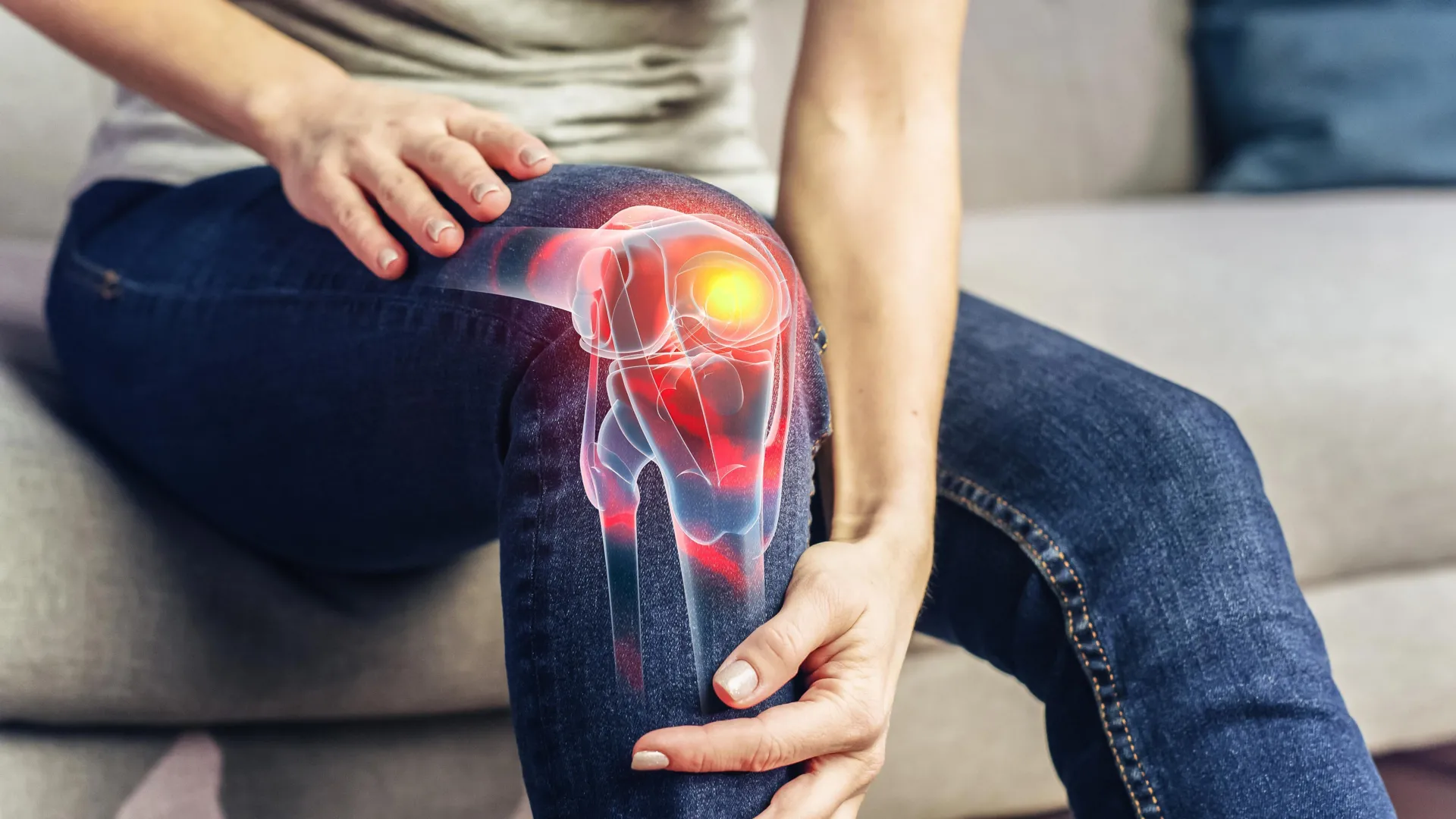
For millions living with the chronic, grinding agony of knee osteoarthritis (OA), the daily regimen of pain management is often a frustrating cycle of anti-inflammatory medications, physical therapy appointments, and the disheartening reality of limited mobility. However, groundbreaking research from the University of Nottingham suggests that the secret to silencing that pain may not be found in the knee joint itself, but in the depths of our digestive system.
A recent clinical trial published in the journal Nutrients has revealed that a common, inexpensive prebiotic fiber known as inulin may offer a transformative new strategy for managing arthritis symptoms. By nurturing the microscopic inhabitants of the gut, patients in the study experienced not only a significant reduction in joint pain but also improved muscle strength and a diminished sensitivity to painful stimuli.
The Science of the Gut-Joint Axis
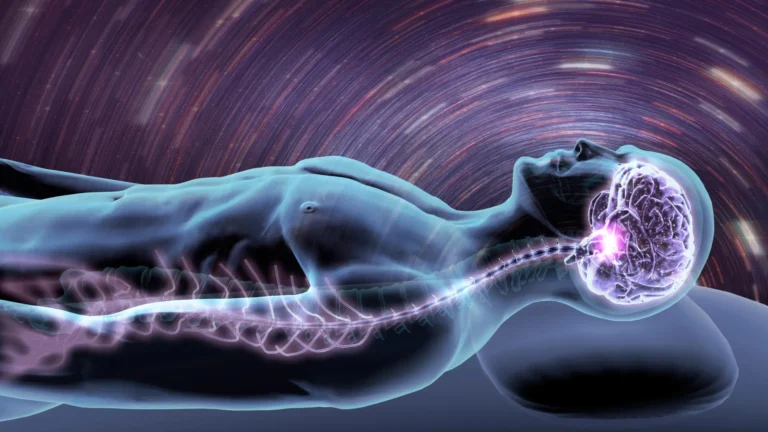
At the heart of this study is the concept of the "gut-microbiome-joint axis." While we have long understood that gut health influences digestion and immunity, researchers are now mapping a complex network of biological signaling that links the digestive tract to the nervous system and musculoskeletal function.
Inulin, a natural dietary fiber found in chicory root, Jerusalem artichokes, and various other vegetables, serves as a "prebiotic." Unlike probiotics, which introduce live bacteria into the body, prebiotics act as fertilizer for the beneficial bacteria already present in the large intestine. When these microbes consume inulin, they produce short-chain fatty acids (SCFAs), most notably butyrate.
Butyrate is a critical byproduct; it serves as a primary energy source for the cells lining the colon and possesses potent anti-inflammatory properties. The Nottingham study suggests that by elevating butyrate levels, the inulin supplement may be systemically lowering the chronic, low-grade inflammation that fuels the progression of osteoarthritis.
Chronology of the INSPIRE Trial
To test this hypothesis, researchers conducted the INSPIRE trial, a six-week randomized, controlled study involving 117 adults suffering from symptomatic knee osteoarthritis. The trial design was structured to provide a rigorous comparison between conventional conservative care and this novel dietary intervention.
Participants were divided into four distinct cohorts:
- The Inulin Group: Received a daily prebiotic fiber supplement.
- The Physical Therapy (PSE) Group: Followed a digitally supported exercise program.
- The Combined Group: Engaged in both physical therapy and inulin supplementation.
- The Placebo Group: Received a non-active substitute.
The study unfolded over a six-week window, with researchers tracking pain levels, grip strength, and systemic markers of inflammation. By the conclusion of the trial, the data revealed that both inulin and physical therapy were effective at reducing knee pain independently. However, the inulin group demonstrated unique benefits that physical therapy alone could not replicate, particularly regarding pain sensitivity and muscle function.
Supporting Data: The Case for Compliance
One of the most compelling findings of the INSPIRE trial was not just the efficacy of the treatment, but its "real-world" viability. Adherence is the Achilles’ heel of chronic disease management. While physical therapy is a gold-standard treatment, it requires time, physical effort, and the motivation to push through pain—a significant barrier for those already suffering from joint stiffness.
The study data highlighted a stark contrast in patient compliance:
- Inulin Group: Only 3.6% of participants dropped out of the study.
- Physical Therapy Group: A significantly higher 21% of participants discontinued the exercise program.
This massive disparity suggests that for many patients, a simple dietary change—such as stirring a fiber supplement into morning yogurt or coffee—is far more sustainable than the rigorous demands of a digital exercise regimen. This ease of use represents a major win for public health, as the most effective treatment is ultimately the one that a patient can consistently maintain.
The Role of GLP-1 and Muscle Resilience
Beyond the reduction of pain, the study uncovered an intriguing link between gut health and the hormone glucagon-like peptide-1 (GLP-1). While GLP-1 is currently famous as the target of weight-loss drugs like Ozempic, the Nottingham researchers were not administering the hormone; they were observing how the gut naturally produces it.
Participants who took inulin showed increased levels of GLP-1, and these elevated levels correlated strongly with improved grip strength. This discovery hints at a secondary benefit: the potential for gut-derived hormones to preserve muscle mass and physical resilience. As we age, the loss of muscle strength (sarcopenia) often exacerbates the impact of arthritis, creating a vicious cycle of weakness and instability. If prebiotic fibers can naturally boost GLP-1 and improve muscle performance, they could serve as a dual-action therapy for both joint health and overall physical aging.
Official Responses and Expert Perspective
The implications of these findings have resonated throughout the medical community, sparking interest from both researchers and patient advocacy groups.
Dr. Afroditi Kouraki, lead author of the study, emphasized the simplicity of the intervention. "This study raises the exciting possibility that a simple dietary change—adding a fiber supplement to your breakfast—could meaningfully reduce pain and improve physical function," Dr. Kouraki stated. She noted that the "very low dropout rate" is particularly encouraging for doctors looking for ways to improve patient outcomes without adding significant burden to their daily lives.
Professor Ana Valdes, the senior author of the study, highlighted the broader significance of the "gut-muscle-pain" axis. "The link we observed between GLP-1 and grip strength is particularly intriguing and points to a broader relationship that warrants further investigation," she said. "This could have implications not just for osteoarthritis, but for understanding how gut health influences aging and physical resilience more broadly."
Professor Lucy Donaldson, Director of Research at the charity Arthritis UK, echoed these sentiments, noting the massive burden of chronic pain. "The pain of arthritis can severely impact quality of life," Donaldson noted. "Our recent lived experience survey showed that six in ten people are living in pain most or all of the time. This exciting preliminary research highlights how diet and physiotherapy can act in different ways to help people with arthritis."
Implications for the Future of Arthritis Management
While the results are undeniably promising, the researchers are careful to urge caution. The INSPIRE trial was a relatively small, short-term study. Longer, larger-scale clinical trials are necessary to determine if these benefits hold up over years rather than weeks, and to identify which specific patients are most likely to respond to inulin therapy.
Furthermore, the study does not suggest that fiber should replace traditional treatments. Instead, it frames prebiotics as a "complementary" approach. For the patient, this means the future of arthritis care may involve a "personalized cocktail" of treatments: traditional physical therapy to maintain joint mobility, combined with dietary interventions to manage inflammation and pain signaling from the inside out.
Looking Beyond the Joint
The most profound takeaway from the Nottingham study is the shift in perspective it demands. For decades, the focus of arthritis treatment has been localized—focused on the cartilage, the synovial fluid, and the mechanical wear-and-tear of the knee. This research challenges that narrow focus, suggesting that the "answer" to chronic pain may be hidden in the complex, trillion-member ecosystem of the human gut.
If we can influence how the brain perceives pain and how the muscles respond to stress by simply altering our diet, we move into a new era of proactive, holistic medicine. For the millions of people who wake up every morning to the stiffness and pain of osteoarthritis, the idea that a simple fiber supplement could provide a path to a more active, less painful life is a development worth watching closely.
As the scientific community prepares for larger trials, the takeaway for the public remains clear: a healthy gut is a fundamental pillar of a healthy body. Whether it is through chicory root, artichokes, or a simple prebiotic supplement, the path to better joint health may very well begin at the dinner table.