Eating has long been understood as a fundamental biological imperative, yet the nuances of how an organism distinguishes between a simple caloric need and a specific nutritional deficit have remained largely shrouded in mystery. For decades, scientists have recognized that animals—from simple insects to complex mammals—exhibit a sophisticated ability to "crave" specific nutrients when their body is lacking. Now, a groundbreaking study published on May 21 in the journal Science has finally pulled back the curtain on this biological compass.
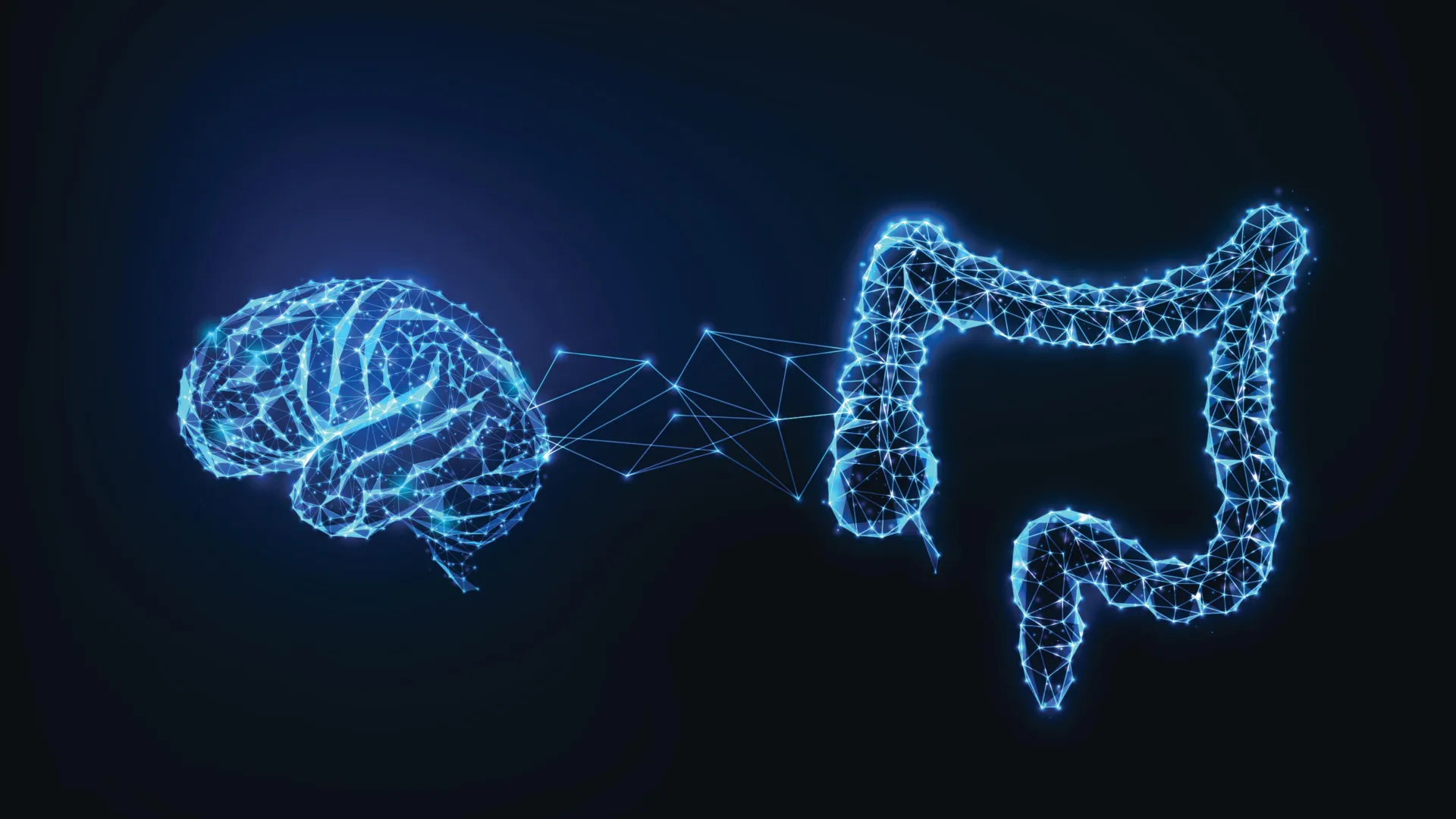
A multi-institutional research team, led by Director SUH Seong-Bae of the Center for Microbiome-Body-Brain Physiology at the Institute for Basic Science (IBS), in collaboration with experts from Seoul National University and Ewha Womans University, has identified a previously unknown gut-brain signaling network. This system does more than just signal hunger; it acts as a strategic navigator, informing the brain exactly what the body is missing and driving the animal to hunt for essential amino acids—the building blocks of protein that the body cannot manufacture on its own.
The Architecture of Nutrient Detection: A Two-Track System
The research, which utilized fruit flies (Drosophila melanogaster) as a primary model organism due to their well-mapped neural circuits, reveals that the gut acts as an active sensory organ rather than a passive digestive conduit.
When an animal is deprived of protein, the body does not merely send a generic "hunger" signal. Instead, it deploys a dual-layered communication strategy to ensure the animal rectifies the specific deficit. The team discovered that specialized intestinal cells release a peptide hormone known as CNMa. This hormone serves as the primary messenger in a two-track signaling system:
- The Rapid Neural Pathway: Upon release, CNMa immediately activates enteric neurons connected to the gut. These neurons function like a high-speed data line, transmitting an urgent alert directly to the brain. This rapid communication allows the organism to adjust its behavior almost instantly upon detecting a drop in essential amino acid levels.
- The Sustained Hormonal Pathway: Simultaneously, CNMa enters the bloodstream, circulating as a hormone. This secondary route acts as a slower, more persistent "background" signal. By reaching the brain through the circulatory system, it sustains the animal’s motivation to seek out protein over an extended period, ensuring that the behavior persists until the nutritional balance is restored.
Chronology of the Discovery
The discovery of this mechanism represents the culmination of years of rigorous scientific investigation. The research trajectory followed a logical, interdisciplinary progression:
- Initial Hypothesis: The team hypothesized that if the gut monitors nutrient status, there must be a specific molecular "bridge" between intestinal cells and the central nervous system.
- Mapping the Circuitry: Using advanced brain imaging, behavioral testing, and sophisticated genetic manipulation, the researchers isolated the specific neural pathways in fruit flies. They observed that when the flies were starved of protein, the release of CNMa was the triggering event that initiated the protein-seeking behavior.
- Decoupling Sugar and Protein: One of the most significant moments in the research was discovering how the brain prioritizes nutrients. The researchers found that CNMa does not just promote protein intake; it simultaneously suppresses the brain’s interest in sugar. By inhibiting "DH44" neurons—cells in the brain specifically tuned to sugar—the gut-brain axis forces a shift in preference, steering the animal away from carbohydrates and toward the essential amino acids required for survival.
- Microbiome Integration: The team also investigated the role of gut flora. They observed that fruit flies lacking a normal microbiome exhibited hyper-activation of amino acid-seeking neurons. This suggests that the microbiome plays a critical, previously unappreciated role in modulating how the brain interprets nutrient availability.
- Cross-Species Validation: Finally, the researchers transitioned from flies to mice to determine if this mechanism was conserved across evolution. The findings confirmed that protein-deprived mice exhibited the same specific drive for amino acids, validating that this "gut-brain axis" is a fundamental feature of animal physiology.
Supporting Data: Challenging Established Paradigms
The study provides compelling data that challenges some long-held beliefs in metabolic science. For years, the hormone FGF21 was considered the "master regulator" of protein appetite in mammals. However, the IBS-led team found that mice lacking FGF21 still exhibited a robust, undeniable drive to seek out essential amino acids.
This unexpected result suggests that the biological machinery for nutrient sensing is far more complex and redundant than previously thought. The existence of the CNMa-mediated pathway, alongside other potential, as-yet-unidentified systems, implies that nature has built multiple, fail-safe layers into the organism to ensure that protein deficiency—a potentially lethal state—is corrected as quickly as possible.
Official Responses and Perspectives
Director SUH Seong-Bae, the lead author of the study, emphasized the transformative nature of these findings during the press briefing following the publication.
"Our study shows that the gut is not simply a digestive organ, but an active sensory system that continuously monitors nutritional state and directly guides behavioral decisions," SUH stated. He noted that the discovery fundamentally changes how scientists should view the "gut-brain axis." Instead of seeing the gut as a system that merely processes food, it must now be viewed as a sophisticated sensory interface that provides the brain with the "intelligence" it needs to make complex dietary choices.
The team also highlighted the importance of the collaborative nature of the study, noting that by integrating the expertise of neurobiologists, geneticists, and microbiologists, they were able to bridge the gap between microscopic cellular signaling and macro-level behavioral outcomes.
Clinical Implications: The Future of Metabolic Medicine
The implications of this study extend far beyond the laboratory, offering a new frontier for addressing human health crises like obesity, metabolic syndrome, and eating disorders.
Targeting Obesity and Appetite Control
Current pharmacological approaches to obesity, such as GLP-1 receptor agonists, largely focus on suppressing appetite or increasing feelings of fullness. However, as Director SUH pointed out, many of these drugs are based on a relatively superficial understanding of how gut hormones influence the brain.
"Most current obesity and appetite-control drugs rely on gut hormone signaling, yet we still know relatively little about how naturally produced gut signals influence the brain and behavior," SUH explained. By identifying the specific CNMa-driven neural pathway, scientists now have a new target for drug development. Rather than simply "turning off" the hunger signal, future therapies could potentially focus on "fine-tuning" the gut-brain axis to restore healthier dietary preferences.
Treating Eating Disorders
The discovery that the gut-brain axis can override cravings—shifting the focus from sugar to protein—is particularly relevant to the study of eating disorders. If researchers can understand how to influence this signaling network, they may be able to develop interventions for patients whose internal nutrient-sensing systems are dysregulated, leading to maladaptive eating habits or severe nutritional deficiencies.
Future Research Directions
The research team is already looking toward the next phase of study. With the realization that multiple, redundant systems likely control nutrient sensing, the team aims to map the other, as-yet-undiscovered pathways that work in tandem with the CNMa system. Furthermore, they hope to investigate how chronic diets high in processed foods might "clog" or distort these delicate gut-brain signals, potentially leading to the modern prevalence of "hidden hunger," where an individual consumes sufficient calories but remains malnourished in specific essential nutrients.
In conclusion, the work published in Science represents a landmark moment in neurobiology and gastroenterology. By demonstrating that the gut acts as an active, intelligent navigator of behavior, the study not only solves a long-standing biological mystery but also provides a concrete roadmap for future medical breakthroughs in the fight against metabolic disease. The gut is clearly speaking to the brain; the challenge now is to learn how to listen—and, when necessary, how to guide the conversation.