











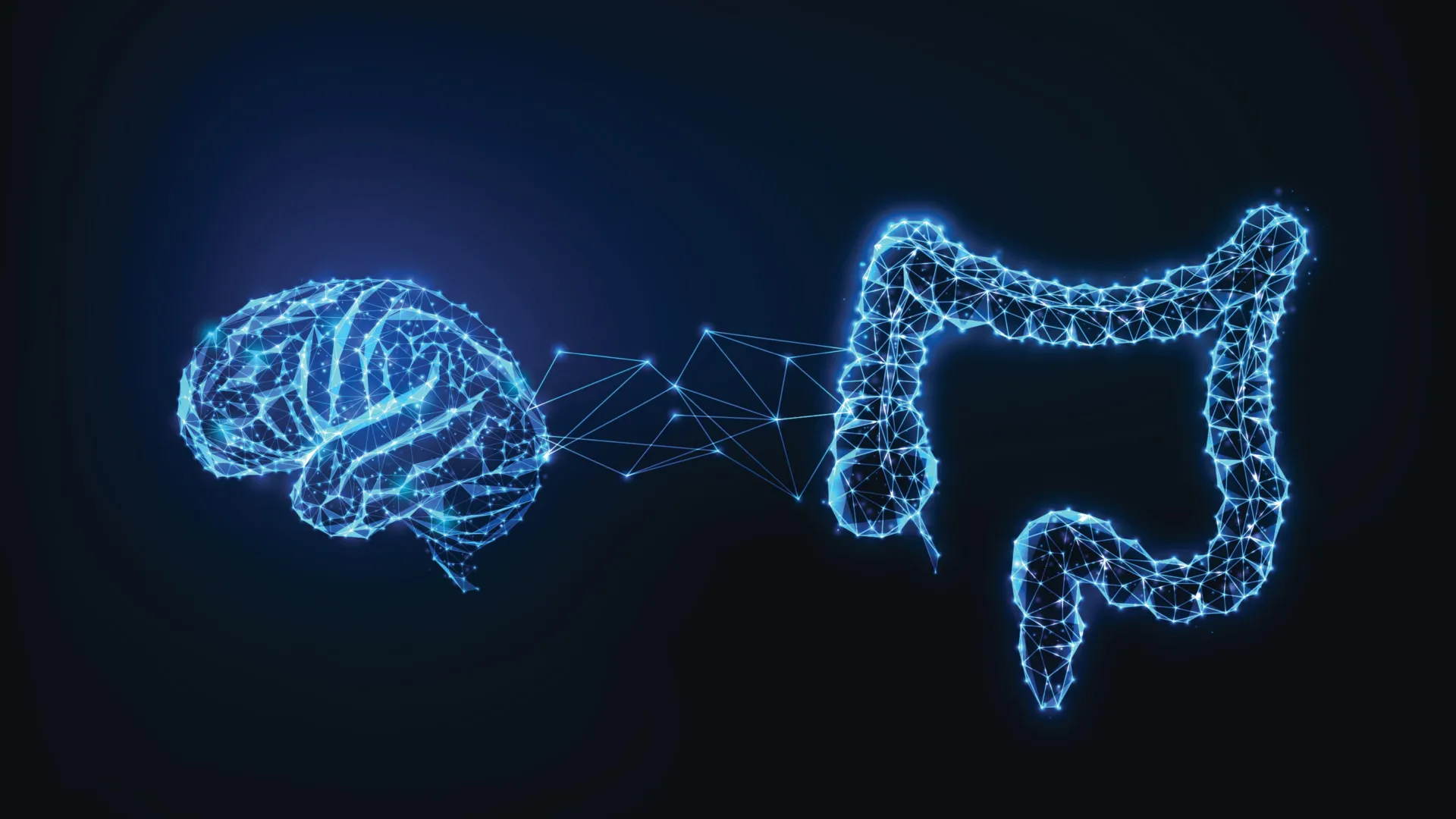
For decades, the prevailing scientific understanding of hunger was relatively straightforward: when energy stores dip, the body signals the brain to initiate a “feed me” response. Yet, this model failed to explain a sophisticated nuance of animal behavior—the ability to selectively crave specific macronutrients based on physiological need. A groundbreaking study published in the journal Science on May 21 has fundamentally altered this narrative, revealing that the gut serves as a highly specialized sensory organ capable of directing the brain to prioritize essential amino acids over simple calories.
Led by Director SUH Seong-Bae of the Center for Microbiome-Body-Brain Physiology at the Institute for Basic Science (IBS), in collaboration with researchers from Seoul National University and Ewha Womans University, the team has mapped a complex signaling network that effectively acts as a nutritional GPS. This discovery not only clarifies how animals navigate protein deficiency but also opens new avenues for addressing metabolic disorders in humans.
The Biological Imperative: Beyond Caloric Intake
Eating is fundamentally a quest for survival, but survival requires more than just energy. While carbohydrates and fats provide the fuel for movement and thermal regulation, proteins provide the structural foundation for life. Proteins are composed of amino acids, the "building blocks" of the body. Crucially, many of these—known as essential amino acids—cannot be synthesized by the body and must be obtained through diet.
Historically, biologists observed that animals deprived of protein would instinctively shift their foraging behavior to seek out protein-rich sources. However, the exact mechanism by which the body “senses” a deficit of a specific nutrient and translates that biological need into a behavioral mandate remained one of the great mysteries of physiology. The IBS-led study has finally peeled back the curtain on this process, proving that the gut is not a passive conduit for digestion, but an active, intelligent sensor of the body’s nutritional state.
Unveiling the Mechanism: A Two-Track Signaling System
To decode this complex communication, the research team employed a multi-disciplinary approach using Drosophila melanogaster (fruit flies). As a model organism, the fruit fly offers a transparent view into neural circuits that are surprisingly analogous to those found in more complex vertebrates.
By integrating brain imaging, high-precision behavioral testing, and genetic manipulation, the researchers identified a two-pronged signaling system activated when the body detects a protein shortage. The protagonist of this system is a peptide hormone known as CNMa.
1. The Rapid Neural Pathway
The first arm of the system is designed for speed. When intestinal cells detect low levels of essential amino acids, they release the CNMa hormone. This hormone immediately triggers enteric neurons embedded within the gut lining. These neurons act as a high-speed communication line, transmitting signals directly to the brain via the gut-brain neural axis. This allows the organism to recalibrate its feeding behavior in real-time, effectively “switching” the target of its hunger within minutes.
2. The Sustained Hormonal Pathway
Simultaneously, the body initiates a slower, more durable response. The same CNMa hormone that triggers the neural pathway enters the bloodstream, circulating throughout the body. This hormonal signal acts as a long-term “reminder,” ensuring that the animal remains motivated to seek out protein over an extended period. This dual-action mechanism ensures that the response is both immediate enough to survive a crisis and persistent enough to correct a sustained nutritional deficiency.
Shifting the Appetite: How the Brain Ignores Sugar for Protein
One of the most striking findings of the study is that the gut-brain axis does not simply increase total food consumption. If that were the case, a protein-starved animal would simply eat more of whatever is available. Instead, the brain executes a precise "re-prioritization."
The researchers discovered that CNMa signaling exerts a suppressive effect on specific brain neurons known as DH44 neurons, which are typically responsible for sensing and driving the consumption of sugar. When the gut signals a protein deficit, the activity of these sugar-sensing neurons is dampened. Consequently, the animal’s attraction to carbohydrates wanes, and its drive toward protein-rich nutrients intensifies. This represents a sophisticated evolutionary adaptation: by suppressing the "sugar drive," the body prevents the animal from filling up on "empty" calories that would distract it from the more critical task of finding the essential amino acids required for tissue repair and survival.
The Microbiome Connection: An Unexpected Variable
The study also shed light on the silent influence of the gut microbiome. When the researchers tested fruit flies that lacked a normal population of gut bacteria, they observed a significant disruption in the signaling process. Specifically, these "germ-free" flies showed an over-activation of the neurons responsible for seeking amino acids.
This suggests that the microbiome plays a custodial role in nutrient sensing. Gut bacteria appear to regulate how the body perceives its own nutritional status, potentially by modulating the bioavailability of nutrients or influencing the production of signaling molecules like CNMa. This finding adds a new layer to the growing body of evidence that the microbiome is an essential partner in metabolic regulation, not just a bystander.
From Flies to Mammals: Evidence of a Universal System
While the research was initially centered on Drosophila, the team sought to determine if this mechanism was unique to insects or a fundamental feature of mammalian biology. By conducting parallel experiments on mice, the researchers discovered that the core mechanism appears to be conserved across species.
Protein-deprived mice demonstrated a distinct, measurable preference for essential amino acids, mirroring the behavior observed in the flies. However, the study also uncovered a scientific surprise. For years, the scientific community believed that the hormone FGF21 was the primary driver of protein appetite in mammals. When the researchers tested mice lacking FGF21, they expected a total collapse of protein-seeking behavior. Instead, the mice continued to show a robust drive to seek out amino acids.
This revelation indicates that the signaling network discovered by Director SUH’s team is likely part of a redundant, highly evolved system. The existence of multiple nutrient-sensing pathways suggests that the drive for protein is so vital to survival that evolution has built in fail-safes, allowing the animal to continue identifying nutritional needs even if one pathway—like the FGF21 system—is compromised.
Implications for Obesity and Eating Disorders
The implications of this research are profound, particularly in the fields of metabolic health and psychiatry. Obesity and eating disorders are often treated as failures of willpower or simple caloric imbalance, but this study suggests they may be rooted in a "miscommunication" between the gut and the brain.
"Most current obesity and appetite-control drugs rely on gut hormone signaling, yet we still know relatively little about how naturally produced gut signals influence the brain and behavior," explained Director SUH Seong-Bae.
By identifying the fundamental principles of the gut-brain axis, the researchers have provided a new roadmap for therapeutic intervention. If researchers can understand how to pharmacologically mimic or modulate the CNMa-like pathways, it may be possible to develop treatments that help individuals with metabolic disorders achieve a more balanced nutritional intake. Furthermore, for those struggling with eating disorders—where the brain’s perception of hunger and satiety becomes distorted—these findings offer hope for therapies that could "reset" the gut-brain signaling axis.
A New Frontier in Physiology
The work of Director SUH and his colleagues at the IBS serves as a reminder that the body is a symphony of complex interactions, where the gut acts as an intelligent conductor. By shifting the perspective from "hunger as a general state" to "hunger as a nutrient-specific search," the study has opened a door into the mechanics of human behavior that we are only beginning to understand.
As we look toward the future of personalized medicine, the gut-brain axis will undoubtedly become a central focus. Whether it is through the manipulation of the microbiome, the regulation of peptide hormones like CNMa, or the development of targeted neuro-pharmaceuticals, the goal remains the same: to align our modern dietary environment with the ancient, sophisticated, and highly precise sensory systems that evolution designed to keep us alive. The gut-brain axis is no longer a "hidden" system; it is the next great frontier in our understanding of what it means to be human.