



By Investigative Desk
June 18, 2026
In a discovery that could fundamentally reshape public health strategies for the aging population, researchers have identified a compelling, statistically significant link between the shingles vaccine and a lower incidence of dementia. According to a landmark study published this week in the Annals of Internal Medicine, elderly nursing home residents who received at least one dose of the Shingrix vaccine demonstrated a 24 percent lower risk of developing dementia over a four-year period compared to their unvaccinated counterparts.
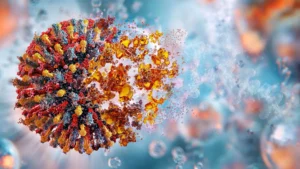
This finding adds critical weight to an emerging field of medical inquiry exploring the "viral hypothesis" of neurodegeneration—the theory that chronic viral infections, including the varicella-zoster virus (VZV) that causes shingles, may trigger or accelerate cognitive decline.
The Main Facts: A Paradigm Shift in Preventive Care
The study, conducted among nursing home residents—a demographic particularly vulnerable to both shingles and cognitive impairment—offers a rare glimmer of hope in the fight against dementia. Shingrix, the recombinant zoster vaccine, is currently the only vaccine of its kind authorized for use in the United States.
The researchers tracked participants over a four-year window, isolating the variable of vaccination status while controlling for other health factors. The results were stark: the 24 percent reduction in dementia risk suggests that the vaccine may offer protective benefits far beyond the prevention of painful shingles rashes.
"What we are seeing is a potential preventative intervention for dementia that is already sitting on pharmacy shelves," noted one of the study’s lead authors. "If these findings hold across broader populations, we are talking about the potential to prevent one in every 17 cases of dementia through a simple, widely available immunization."
A Chronology of the "Viral Hypothesis"
The path to this discovery was not linear; it is the result of decades of research into how the immune system interacts with the aging brain.
- Early 2000s: Researchers began observing that elderly patients with a history of herpes zoster infections—the technical term for shingles—often reported "brain fog" or accelerated cognitive issues following an outbreak.
- 2017: The FDA approved Shingrix, which replaced the older Zostavax vaccine. Its superior efficacy compared to its predecessor provided a more robust dataset for researchers to analyze.
- 2023: Several high-profile studies published in journals such as Nature and Cell began to map the neurological pathways through which VZV might contribute to neuroinflammation.
- 2025: A series of observational studies began appearing in medical literature, suggesting that the reduction of chronic viral load through vaccination correlated with better neurological outcomes.
- June 2026: The current Annals of Internal Medicine study represents the most comprehensive evidence to date, specifically focusing on the high-risk environment of long-term care facilities.
Supporting Data: Understanding the Mechanism
Why would a vaccine for a skin condition protect the brain? The answer, according to the researchers, lies in the body’s inflammatory response.
The Role of Chronic Inflammation
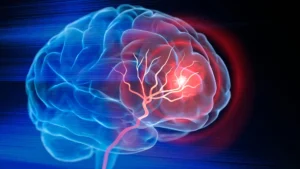
When the varicella-zoster virus, which remains latent in the nervous system after a childhood case of chickenpox, reactivates as shingles, it triggers a massive systemic immune response. In aging individuals, this response can become maladaptive. The study suggests that chronic or repeated inflammation caused by the virus may contribute to the buildup of amyloid plaques or tau proteins—the hallmarks of Alzheimer’s disease.
Statistical Significance
The 24 percent reduction in risk remained robust even after adjusting for variables such as age, sex, socioeconomic status, and preexisting cardiovascular conditions. The study compared two groups:
- The Vaccinated Cohort: Individuals who received at least one dose of Shingrix.
- The Unvaccinated Cohort: Individuals with no recorded history of the vaccine.
The data indicated that the protective effect was most pronounced in the first 24 to 48 months post-vaccination, suggesting that maintaining high levels of immunity might be essential for sustained neurological protection.

Official Responses and Medical Perspectives
The medical community has reacted with a mix of cautious optimism and a call for further investigation.
The Public Health Perspective
Public health officials are noting that the study provides a "double incentive" for vaccination. "We’ve always encouraged the shingles vaccine to prevent the agony of post-herpetic neuralgia," said Dr. Elena Rodriguez, a spokesperson for an infectious disease advocacy group. "If we can now definitively say it helps preserve cognitive function, this moves from a ‘recommended’ vaccine to a ‘vital’ one."
The Clinical Skepticism
Some neurologists, however, urge patience. They point out that while the correlation is strong, "correlation does not equal causation." It is possible, they argue, that people who are more proactive about their health in general—such as those who seek out the shingles vaccine—are also more likely to engage in other healthy behaviors that protect the brain, such as exercise, cognitive stimulation, and better nutrition.
"We need randomized, controlled trials to confirm that it is the vaccine itself doing the heavy lifting, rather than a healthy-user bias," noted Dr. Marcus Thorne, a gerontologist at a leading research hospital.
Implications: What This Means for the Future
The implications of these findings are staggering, both for the individual and the healthcare system.
Policy and Access
If the link between shingles vaccination and dementia prevention is further validated, it could lead to changes in insurance coverage and Medicare policies. Currently, access to vaccines in nursing homes can be inconsistent. A shift in clinical guidelines could mandate vaccination as a standard of care for cognitive protection, much like statins are prescribed for heart health.
The Future of Vaccine Research
This study opens the door to a new "preventive neurology" paradigm. If a vaccine for one virus can prevent dementia, could others? Research is already pivoting toward the potential links between other viruses—such as Epstein-Barr or Herpes Simplex—and neurodegenerative diseases. We may be entering an era where vaccines are not just for fighting acute illness, but for maintaining long-term brain health.
Advice for the Public
For older adults, the consensus is clear: the risk of side effects from the Shingrix vaccine is significantly lower than the risk of living with the potential long-term complications of a shingles infection.
"Don’t wait for a diagnosis to start protecting your brain," says the study’s lead author. "This vaccine is safe, effective, and now, potentially, a guardian of your cognitive future."
Conclusion
While the Annals of Internal Medicine study is not a "cure" for dementia, it represents a monumental step forward. By mitigating the inflammation caused by latent viruses, we may be able to extend the period of cognitive health for millions of people worldwide. As researchers continue to analyze the data, one thing is certain: the conversation around vaccines has expanded from the skin to the brain, and the potential benefits of this shift could define the next generation of geriatric care.
For more information on the shingles vaccine and its availability, please consult your primary care physician or your local pharmacy. This article is intended for informational purposes and does not constitute medical advice.