




For decades, the medical community has touted the benefits of a plant-based diet, citing improvements in cardiovascular health, immune function, and metabolic stability. While these outcomes have been consistently observed, the precise biochemical mechanisms—specifically the "how" and "why" behind these health shifts—have remained shrouded in mystery.
Recent breakthroughs from a research team at Ludwig Princeton, led by Jenna AbuSalim and Director Joshua Rabinowitz, have begun to peel back the layers of this biological mystery. By examining the complex interplay between diet, the microbiome, and mammalian metabolism, these researchers are providing a new roadmap for how we might use food as a precise therapeutic tool.
The Microbiome as a Metabolic Engine
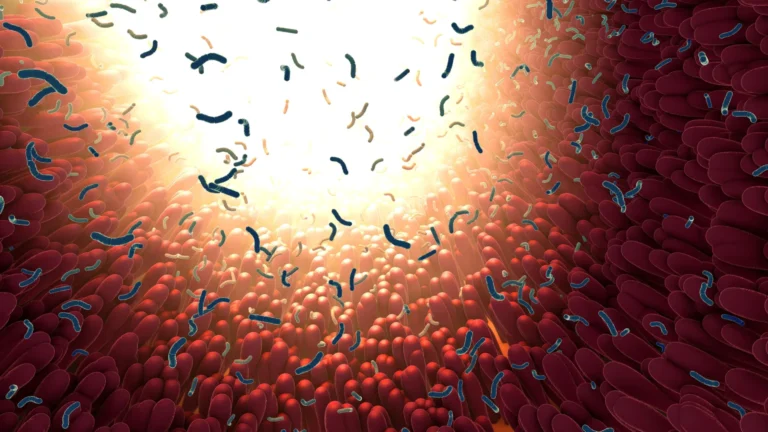
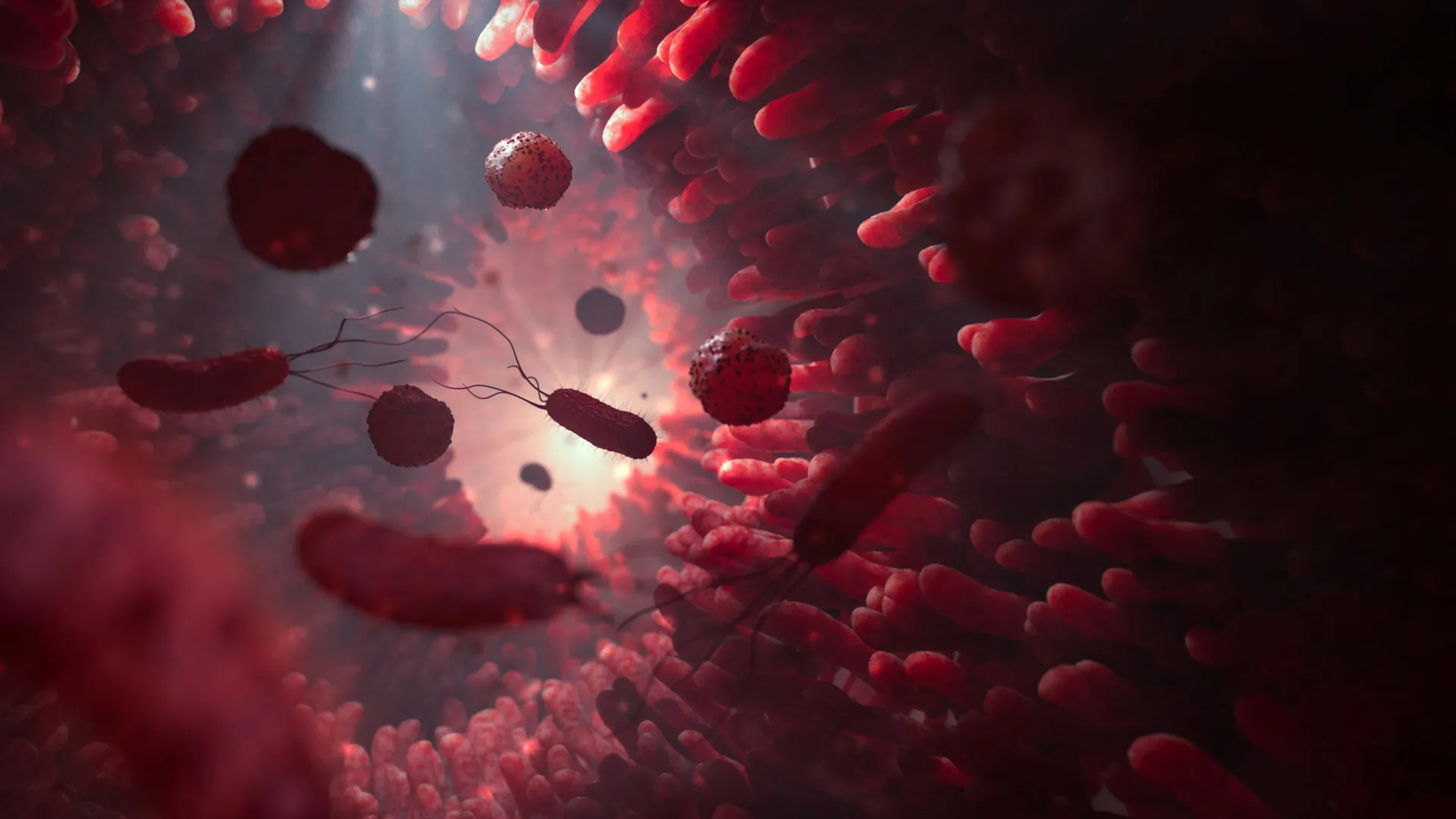
The human gut is home to trillions of bacteria, a vast ecosystem that processes the food we eat, often producing "metabolites"—small molecules that enter the bloodstream and influence organ function across the entire body. Historically, science focused on dietary fiber as the primary driver of these benefits, noting that gut microbes break down fiber into health-promoting substances.
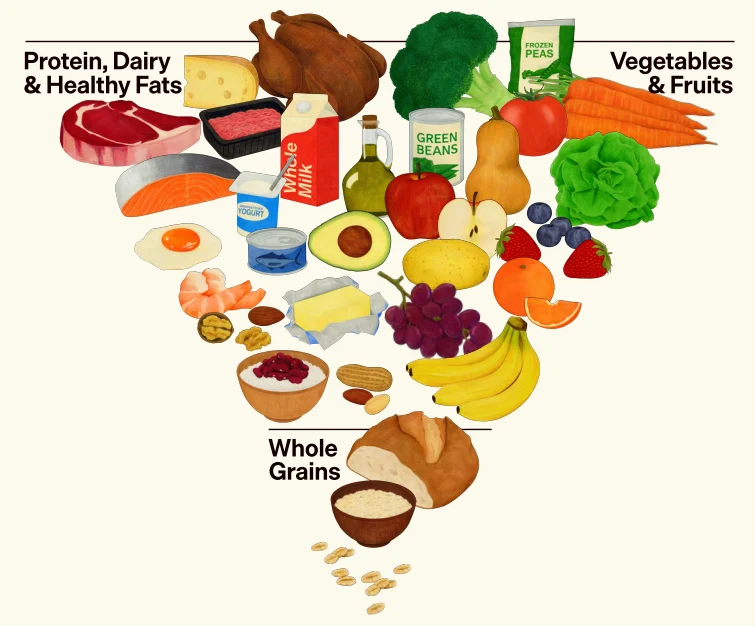
However, fiber is only part of the story. Plants are rich in phytochemicals and complex proteins that have long been under-studied. The new research, published across the Proceedings of the National Academy of Sciences (PNAS) and Nature Metabolism, suggests that our understanding of these dietary components is due for a major revision.
Chronology of Discovery: From Fiber to "Prif"
The research journey began with a fundamental question: How do specific plant-based foods shift the landscape of metabolites in the human body?
In the PNAS study, the team focused on phenol metabolites—compounds derived from the amino acids tyrosine and phenylalanine. They discovered that not all phenols are created equal. When bacteria process phenylalanine, they produce compounds like phenylpropionate and hippuric acid, which are linked to a healthy body weight and robust gut health. Conversely, the breakdown of tyrosine produces p-cresol sulfate and phenol sulfate, which are linked to systemic toxicity and worse outcomes for cancer and kidney disease patients.
The breakthrough came when the researchers identified a previously ignored category of nutrients: indigestible plant proteins. Dubbed "proteins imitating fiber," or Prif, these substances function similarly to fiber, reaching the colon largely intact. The researchers found that Prif, when consumed alongside fiber, actively shifts the metabolic activity of gut bacteria. Instead of relying on tyrosine, the microbiome begins to favor the processing of phenylalanine, effectively "reprogramming" the gut to produce health-promoting phenols rather than harmful ones.
This was followed by the Nature Metabolism study in June, which challenged a long-held scientific assumption: that all indole and phenol metabolites are exclusively produced by gut bacteria. Through sophisticated isotope tracing in mice, rats, and human cells, the team proved that mammalian metabolism itself is capable of producing many of these critical compounds, such as indole-3-lactate and indole-3-acetate.
Supporting Data: Mapping the Microbial Shift
The evidence gathered by the Ludwig Princeton team is both granular and systemic. By labeling proteins with stable, non-radioactive isotopes, the researchers were able to track exactly where these metabolites originated.
The Gut Lining Defense
One of the most striking findings was the role of the gut lining. When dietary fiber is scarce, gut bacteria turn to the host’s own body for sustenance, consuming the proteins found in the mucus lining of the intestines. This "self-consumption" process is a primary driver of harmful phenol production.
The study data indicated that:
- Fiber acts as a shield: By providing an alternative, easier-to-process fuel source, fiber prevents bacteria from eroding the protective gut mucus.
- Prif acts as a catalyst: Indigestible plant proteins provide the necessary substrate for bacteria to create beneficial phenols.
- The Isotope Proof: When antibiotics were used to disrupt the gut microbiome in mice, levels of metabolites like indole-3-propionate (exclusively microbial) plummeted. However, levels of metabolites like indole-3-lactate remained high, confirming they were being produced by the host’s own metabolic processes, independent of the microbiome.
Official Responses: A New Paradigm for Nutrition
Dr. Joshua Rabinowitz, Director of the Princeton Branch of the Ludwig Institute for Cancer Research, views these findings as a turning point in medical nutrition.
"There’s growing interest across medical disciplines in manipulating the human microbiome or using its metabolic products themselves for therapy," Rabinowitz noted. "Diet holds great promise for controlling the microbiome and its outputs. But to devise effective therapeutic interventions, we need to understand what aspects of the diet control which microbial outputs."
Rabinowitz suggests that the industry may soon need to change how we view nutrition labels. "Food packaging may eventually list Prif right below fiber," he remarked, underscoring the potential for these "proteins imitating fiber" to become a standard component of dietary advice.
Jenna AbuSalim, lead researcher on the studies, echoes this sentiment, emphasizing the therapeutic potential of these discoveries. "We think Prifs represent an emerging class of dietary nutrients that shape the composition of the gut microbiome and could have a far-reaching influence on metabolic health," she said.
Implications: The Future of Precision Medicine
The implications of this research are vast, touching on everything from cancer treatment to the management of chronic disease.
1. Rethinking Probiotic and Dietary Interventions
Many current health trends focus on "probiotics"—introducing beneficial bacteria to the gut. However, if the human body is responsible for producing many of the "good" metabolites itself, the focus of future medicine may shift toward "metabolite-targeted" diets. Instead of just adding bacteria, doctors may eventually prescribe specific combinations of fiber and Prif to stimulate the host’s own metabolic machinery.
2. Cancer Therapy and Beyond
Indole metabolites have been heavily studied for their role in cancer metastasis and immune response. If these compounds can be boosted through diet—or produced by the body itself—they could serve as adjunct therapies that improve the efficacy of immunotherapy or chemotherapy. Understanding the source of these compounds allows researchers to move away from "one-size-fits-all" nutrition and toward personalized dietary plans based on an individual’s metabolic profile.
3. Chronic Disease Management
With the link established between tyrosine-derived phenols and kidney disease toxicity, the ability to "switch" bacterial production away from these compounds using diet is a significant leap forward. Patients suffering from systemic metabolic issues may soon be able to manage their condition through precise dietary interventions that limit the production of harmful metabolites while fueling the production of beneficial ones.
4. A New Era of Nutritional Guidance
For nutritionists and clinicians, the work provides a more granular vocabulary. Rather than broadly suggesting a "plant-based diet," practitioners can begin to explain the underlying chemistry: why specific plant proteins and fibers act as molecular switches for the body’s internal health. This level of detail is expected to improve patient compliance, as the biological reasons for dietary changes become clear and measurable.
Conclusion
The work led by AbuSalim and Rabinowitz represents a sophisticated fusion of chemistry, biology, and nutrition. By moving past the simplified view of "good food vs. bad food" and into the realm of molecular signaling, the team has opened a door to a new era of metabolic science.
As researchers continue to map the complex interactions between the diet, the microbiome, and the human host, the potential for using food as a form of medicine becomes increasingly tangible. Whether through the inclusion of Prif in daily diets or the development of new metabolic therapies, the "hidden chemistry" of the gut is finally coming into focus, promising a future where our health is shaped not just by what we eat, but by how our bodies—and the microbes within them—choose to transform that fuel into the building blocks of life.
The research was supported by the Ludwig Institute for Cancer Research, the National Institutes of Health, the National Institute of Diabetes and Digestive and Kidney Diseases, the Princeton Alliance for Collaborative Research and Innovation, and Princeton University.