





In a significant shift that has rippled through the global food and beverage industry, the World Health Organization (WHO) has issued a stern recommendation regarding the consumption of non-sugar sweeteners (NSS). The global health authority, after an exhaustive review of available research, has advised against the use of NSS—commonly known as artificial or low-calorie sweeteners—for the purposes of weight management or reducing the risk of noncommunicable diseases.
This guidance marks a pivotal moment in nutritional policy, challenging the long-held assumption that swapping caloric sugar for synthetic alternatives is a viable "shortcut" to a healthier lifestyle. As consumers grapple with this news, experts are urging a deeper look at the long-term biological impact of these additives, while simultaneously noting that the conversation surrounding health and sweetness is far more nuanced than a simple binary of "sugar versus synthetic."
The Core Findings: Why the WHO Says "No"
The WHO’s conclusion rests on a comprehensive meta-analysis of scientific literature. Their findings are twofold: first, that NSS offer no long-term benefits in reducing body fat in adults or children, and second, that their habitual consumption may be linked to adverse health outcomes.
While clinical trials showed that participants who replaced sugar-sweetened foods and beverages with NSS-containing alternatives did experience a reduction in overall caloric intake, this rarely translated into sustained weight loss. Furthermore, the data on physiological responses—such as hunger and satiety—remained inconsistent. While some studies indicated a temporary reduction in hunger, others suggested that high intake of artificial sweeteners might actually heighten appetite or disrupt the body’s internal signaling mechanisms.
Crucially, the WHO’s observational data pointed toward a more concerning correlation. Long-term, high-frequency consumption of NSS-containing beverages was linked to an increased risk of cardiovascular disease and premature death. Perhaps most alarmingly, the data suggested a connection between the frequent use of artificial sweeteners—whether in drinks or as table-top additives—and an increased risk of developing type 2 diabetes.
Chronology of a Controversy
The journey toward this guideline was not sudden. It is the culmination of decades of rising obesity rates and the subsequent explosion of the "diet" food industry.
- 1950s–1980s: The rise of saccharin and aspartame as miracle ingredients that promised the "sweetness of sugar without the calories," leading to a global proliferation of diet sodas and low-calorie processed foods.
- 2010s: As obesity and diabetes rates continued to climb despite the widespread availability of NSS, public health researchers began questioning the efficacy of these sweeteners. Longitudinal studies began to suggest that those who drank diet sodas were not necessarily thinner than those who drank sugary ones.
- 2022–2023: The WHO initiated a formal review process, analyzing hundreds of randomized controlled trials and observational studies.
- May 2023: The WHO officially released its new guideline, advising against the use of NSS for weight control.
- July 2023: In a follow-up assessment, the International Agency for Research on Cancer (IARC) classified aspartame as a "Group 2B carcinogen," citing "limited evidence" for a link to liver cancer, though they maintained that current daily intake limits remain safe.
Understanding the "Reverse Causation" Variable
One of the most complex aspects of this research is the concept of "reverse causation." When interpreting data that links artificial sweeteners to obesity and diabetes, researchers must ask: Does the sweetener cause the disease, or are people who are already struggling with weight and metabolic health more likely to reach for "diet" products?
The WHO acknowledges this limitation. Individuals with a higher body mass index (BMI) or existing metabolic risk factors are statistically more likely to choose artificial sweeteners as a weight-loss intervention. Therefore, the higher rates of disease seen in this demographic may reflect their pre-existing health conditions rather than the direct biological impact of the sweeteners themselves. This caveat is essential for a balanced interpretation of the data, as it reminds us that correlation does not always equal causation.
The Academic Critique: Harvard’s Perspective
While the Harvard T.H. Chan School of Public Health supports the overarching goal of reducing the population’s "sweet tooth," some of its leading experts have voiced concerns regarding the methodology of the WHO’s meta-analysis.
Specifically, critics point to the exclusion of several large-scale cohort studies involving over 100,000 participants. These omitted studies, which often track long-term dietary patterns, have shown that when individuals successfully replace a sugary beverage with an artificially sweetened one, there is a measurable decrease in weight gain over time.
Furthermore, statistical modeling from these excluded studies suggests that replacing one sugar-sweetened beverage per day with a diet version is associated with a 4% lower risk of total mortality and a 5% lower risk of cardiovascular-related death. These findings suggest that while artificial sweeteners may not be a "health food," they may still be a "harm-reduction" tool for those who are currently consuming high amounts of liquid sugar.
The Spectrum of Sweeteners
It is important to note that the WHO’s definition of "non-sugar sweeteners" is specific. It includes high-intensity sweeteners such as:
- Aspartame
- Sucralose
- Stevia
- Acesulfame K
- Saccharin
Notably, the study did not include sugar alcohols (polyols) like xylitol, sorbitol, and maltitol. These are commonly found in "sugar-free" candies and gums and function differently in the body, often causing digestive distress when consumed in large quantities. The exclusion of these compounds from the report means that the guidelines do not necessarily apply to the broader category of "sugar-free" products often found on supermarket shelves.
Practical Implications: What Should Consumers Do?
If artificial sweeteners are not the panacea for weight loss, what is the path forward? Frank Hu, Chair of the Department of Nutrition at the Harvard T.H. Chan School of Public Health, offers a pragmatic approach.
"For habitual consumers of sugar-sweetened beverages, artificially sweetened beverages can be used as a temporary replacement," Hu explains. "However, the best choices would be water and unsweetened coffee or tea."
The ultimate goal, according to health officials, is to "de-sweeten" the palate. By lowering our overall threshold for sweetness starting early in life, we can move away from the need for either sugar or artificial alternatives. This involves a fundamental shift in how we view beverages and snacks, prioritizing hydration and whole-food ingredients over the chemical manipulation of flavor.
Addressing the Cancer Question: The Aspartame Assessment
The recent classification of aspartame as a "Group 2B carcinogen" by the IARC caused widespread public alarm. However, the nuance of this classification is often lost in headlines. A Group 2B label means there is "limited evidence" for carcinogenicity. To put this in perspective, other items in similar categories include aloe vera extract and pickled vegetables.
The WHO and the Joint Expert Committee on Food Additives (JECFA) reaffirmed the acceptable daily intake (ADI) for aspartame at 40 mg/kg of body weight. For an average 150-pound (68 kg) individual, this allows for roughly 2,700 mg of aspartame per day. Considering a standard 12-ounce can of diet soda contains about 250 mg, a person would have to consume eleven cans daily to reach the limit. While the IARC calls for more rigorous, long-term studies to clarify the potential cancer risk, current evidence suggests that moderate, occasional consumption of aspartame does not pose an immediate threat to the average person.
Conclusion: A New Era of Nutritional Awareness
The WHO’s latest guidelines do not necessitate a state of panic, but they do serve as a wake-up call. The reliance on artificial sweeteners to mask the health risks of an overly processed diet is a strategy that is increasingly losing scientific support.
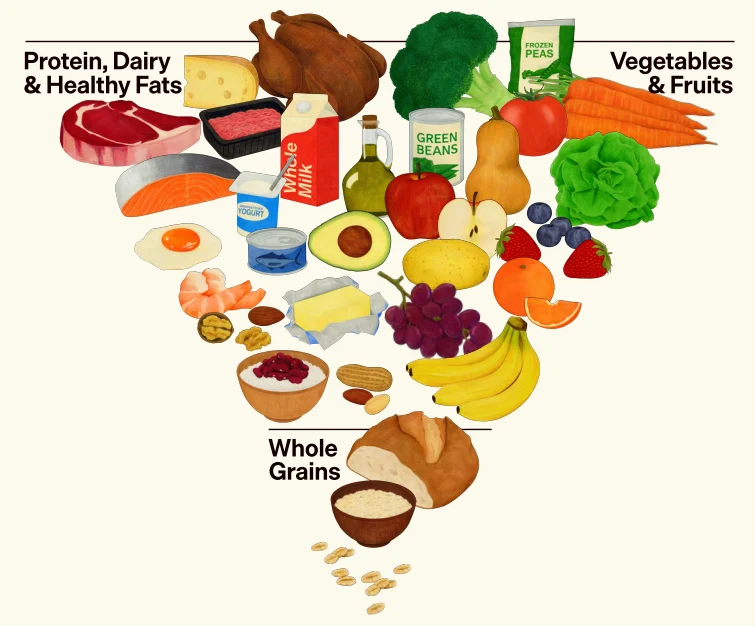
As we move forward, the focus must shift from finding "perfect" replacements to adopting a more natural, less processed dietary pattern. Water, unsweetened tea, and black coffee remain the gold standard for hydration. By reducing our dependency on both sugar and its synthetic counterparts, we can foster a healthier relationship with food—one that prioritizes long-term metabolic health over the temporary satisfaction of a sweet flavor profile.
The science remains evolving, and while we await further longitudinal data, the consensus among public health leaders is clear: we should strive to lower the overall sweetness of our diets, not just change the source of that sweetness. In the landscape of modern nutrition, simplicity remains the most effective, if sometimes the most challenging, path to wellness.