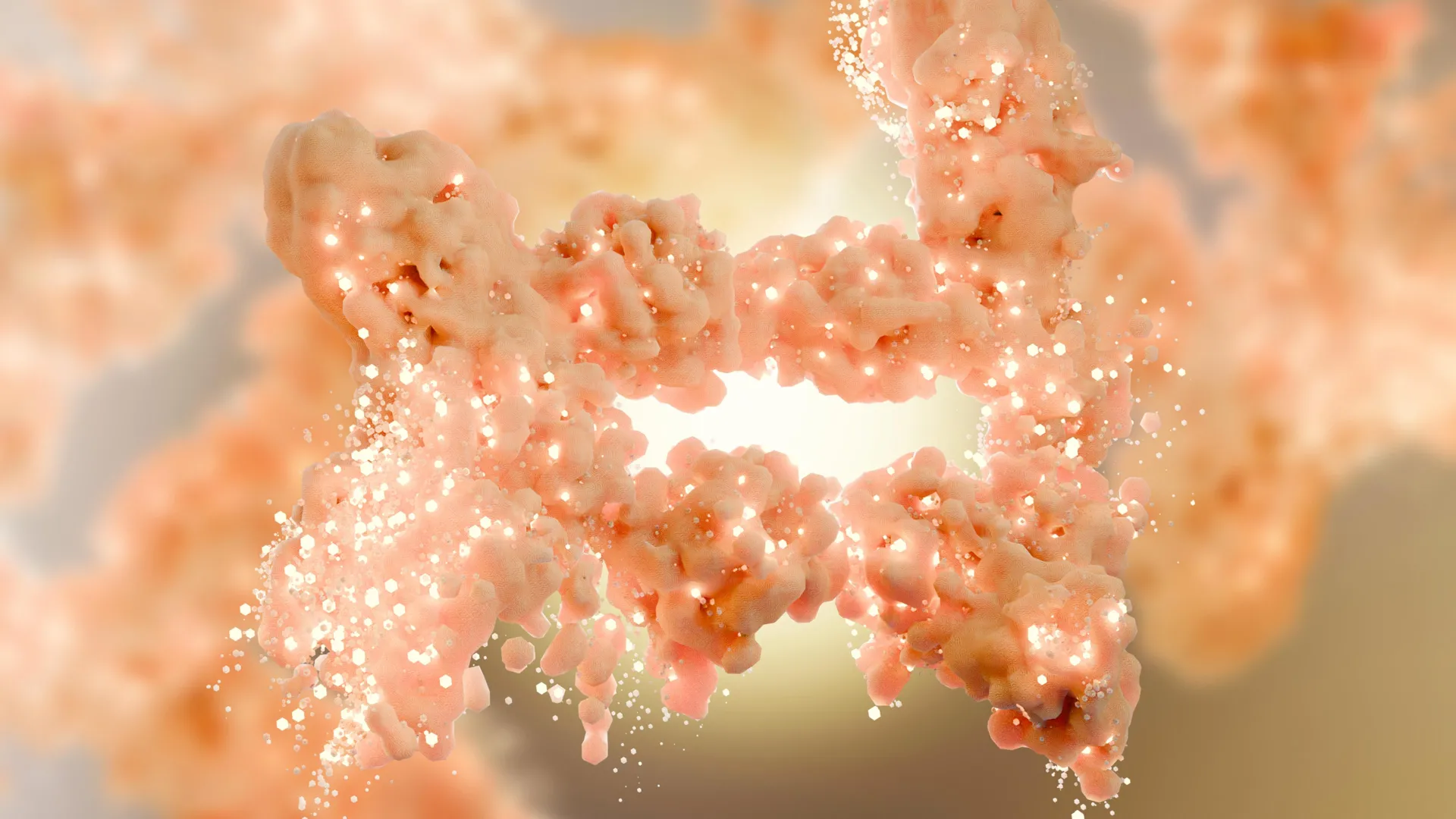
For over sixty years, the scientific community operated under a seemingly ironclad assumption: hormone-sensitive lipase (HSL) was the body’s primary "fuel tap." Since its identification in the 1960s, HSL was characterized as a specialized enzyme tasked with a singular, vital mission—mobilizing stored fat during times of energy scarcity. When the body signaled a need for fuel, HSL would migrate to the surface of lipid droplets within adipocytes (fat cells), breaking down triglycerides into fatty acids to power the muscles and organs.
However, a groundbreaking study published in the journal Cell Metabolism has shattered this decades-old dogma. Researchers at the Institute of Cardiovascular and Metabolic Diseases (I2MC) at the University of Toulouse have discovered that HSL is far more than a metabolic utility player. It is a dual-function protein that operates not just on the periphery of fat droplets, but deep within the cell’s nucleus—the command center of genetic activity. This discovery does more than just solve a long-standing biological mystery; it provides a paradigm shift in how we understand obesity, diabetes, and the profound health implications of metabolic dysfunction.
The Chronology of a Scientific Misconception
The journey to this discovery began with a persistent, nagging contradiction that plagued obesity researchers for years. The prevailing theory was logical: if HSL is responsible for breaking down fat, then the absence of this protein should result in an inability to mobilize fat stores, logically leading to rampant obesity.
Yet, when researchers studied both mice and human subjects with mutations in the HSL gene, the results were not what they expected. Instead of becoming obese, these subjects developed lipodystrophy—a rare and debilitating condition characterized by the inability to maintain healthy fat tissue. In these patients, the body essentially "wasted away" its healthy fat stores, leading to a host of metabolic complications that mimicked those seen in severe obesity, including insulin resistance, type 2 diabetes, and fatty liver disease.
For years, this paradox remained unsolved. Why would the loss of a "fat-burning" enzyme cause a catastrophic loss of fat tissue rather than an accumulation? The answer lay in a location scientists had never thought to check. Led by Dominique Langin, the I2MC research team pivoted from studying the surface of lipid droplets to peering into the nucleus of the adipocytes themselves. There, they found the missing link: HSL was not just an enzyme for fat breakdown; it was a transcriptional regulator, acting as a guardian of cellular health.
The Dual Identity of Hormone-Sensitive Lipase
To understand the magnitude of this discovery, one must look at the adipocyte not as a passive storage bag for calories, but as a sophisticated endocrine organ. Adipocytes are constantly communicating with the brain, the liver, and the immune system.
The study revealed that HSL possesses two distinct personas:
1. The Surface Enzyme (The Fuel Tap)
On the surface of lipid droplets, HSL performs its traditional role. During fasting or physical exercise, hormonal signals—specifically adrenaline—trigger a molecular cascade. HSL is recruited to the lipid droplet, where it acts as a catalytic agent to hydrolyze triglycerides. This release of fatty acids provides the energy required for the body to function in the absence of exogenous food intake.
2. The Nuclear Regulator (The Cellular Guardian)
Inside the nucleus, HSL adopts an entirely different role. Here, it interacts with proteins responsible for gene expression and RNA processing. By associating with these nuclear components, HSL participates in a complex regulatory program that maintains the structural integrity of the fat tissue. It influences mitochondrial activity—the "power plants" of the cell—and manages the extracellular matrix, the structural scaffold that keeps tissue organized and functional.
"In the nucleus of adipocytes, HSL is able to associate with many other proteins and take part in a program that maintains an optimal amount of adipose tissue and keeps adipocytes ‘healthy’," explains Jérémy Dufau, a co-author of the study. This nuclear activity ensures that fat cells remain in a state of homeostasis, preventing the chronic inflammation and dysfunction that often precede metabolic disease.
Supporting Data: Why "More" Fat Isn’t Always the Problem
The findings provide crucial context to the "Quality vs. Quantity" debate in metabolic health. For decades, the medical community focused almost exclusively on the quantity of adipose tissue, leading to an intense clinical focus on weight reduction. However, the discovery of nuclear HSL suggests that the quality and functionality of that tissue are equally, if not more, important.
The research data indicates that the localization of HSL is dynamic, shifting based on the body’s metabolic state:
- During Fasting: Adrenaline levels rise, pushing HSL out of the nucleus and toward the lipid droplets to mobilize energy.
- In Obesity: In mice fed a high-fat diet, the researchers observed an increase in nuclear HSL. This suggests that the body may be attempting to compensate for metabolic stress by recruiting HSL into the nucleus to preserve the structural integrity of the fat cells.
- Signaling Pathways: The migration of HSL is governed by TGF-β and SMAD3 signaling pathways. These are well-documented pathways involved in tissue remodeling and inflammation, linking the protein’s physical location directly to the inflammatory response seen in metabolic disorders.
By proving that HSL is required for the "health" of fat tissue, the researchers effectively explained the lipodystrophy paradox: without HSL in the nucleus, the adipocytes lose their ability to manage their own structural and metabolic health. They become dysfunctional, eventually leading to the dangerous metabolic profiles often associated with obesity, even when the person does not carry significant excess weight.
Official Perspectives and Implications for Future Medicine
The implications of this discovery are profound, potentially reshaping the multi-billion-dollar metabolic health industry. The current standard of care for obesity—calorie restriction and drugs designed to suppress appetite or increase energy expenditure—often ignores the underlying health of the adipose tissue itself.
"HSL has been known since the 1960s as a fat-mobilizing enzyme. But we now know that it also plays an essential role in the nucleus of adipocytes, where it helps maintain healthy adipose tissue," says Dr. Dominique Langin. This shift in perspective suggests that future therapies should move away from merely trying to eliminate fat mass and instead focus on "restoring the normal function of adipocytes."
A New Frontier in Metabolic Therapy
If researchers can learn to manipulate the signaling pathways (like TGF-β and SMAD3) that control the translocation of HSL, they may be able to treat metabolic diseases by "rejuvenating" fat cells rather than destroying them. This approach could be revolutionary for conditions like:
- Type 2 Diabetes: By improving the metabolic health of fat tissue, the body’s sensitivity to insulin could be restored.
- Non-Alcoholic Fatty Liver Disease (NAFLD): Healthier adipocytes are better at sequestering lipids, preventing their spillover into the liver.
- Chronic Inflammation: By maintaining the structural integrity of the extracellular matrix, researchers may be able to reduce the systemic inflammation that drives heart disease and other chronic conditions.
The Global Challenge: Beyond the Scale
The timing of this discovery is critical. With obesity rates reaching epidemic proportions globally, billions of people are at risk for stroke, cancer, sleep apnea, and cardiovascular failure. The traditional model of "energy in versus energy out" has proven insufficient in slowing the tide of metabolic disease.
The discovery that HSL acts as a nuclear regulator of fat cell health validates the idea that fat tissue is a sophisticated, highly active endocrine system. When this system breaks down, the effects are systemic. The fact that a single protein can govern both immediate energy release and long-term tissue maintenance demonstrates the incredible complexity of our biology.
Moving forward, the medical community must account for the dual nature of these proteins. Future obesity research will likely shift toward "metabolic quality control." Instead of just looking at the size of the adipocytes, doctors may one day look at the gene expression patterns and nuclear protein profiles of fat tissue to determine the true metabolic risk of a patient.
As we continue to peel back the layers of how our body manages energy, the story of HSL serves as a humbling reminder. What we have long viewed as a simple storage vessel is, in fact, a carefully orchestrated, genetically regulated organ that requires balance, maintenance, and internal communication to keep the human body in equilibrium. The "fuel tap" of the 1960s has evolved into the "guardian of metabolism" for the 21st century.