









A landmark study published in the open-access journal BMJ Global Health has sounded a definitive alarm regarding the intersection of alcohol consumption and oral health in India. The research suggests that there is no “safe” threshold for alcohol intake when it comes to the risk of developing buccal mucosa cancer—the most common form of mouth cancer affecting the soft lining of the cheeks and lips. Perhaps most concerning is the finding that even minimal daily alcohol consumption is tied to a significantly elevated risk of malignancy, a discovery that challenges previous assumptions about low-level intake.
As India grapples with a burgeoning cancer crisis, this study provides granular, localized data that identifies a lethal synergy between unregulated, locally brewed spirits and the pervasive use of chewing tobacco. For public health officials, the findings serve as a stark reminder that the path to reducing the country’s staggering mouth cancer mortality rates lies in the aggressive regulation of both alcohol and tobacco products.
The Magnitude of the Crisis: India’s Oral Cancer Burden
Mouth cancer has solidified its position as the second most common malignancy in India. Current estimates are harrowing: approximately 143,759 new cases are diagnosed annually, resulting in 79,979 deaths. With incidence rates steadily climbing, the disease now affects nearly 15 out of every 100,000 Indian men.
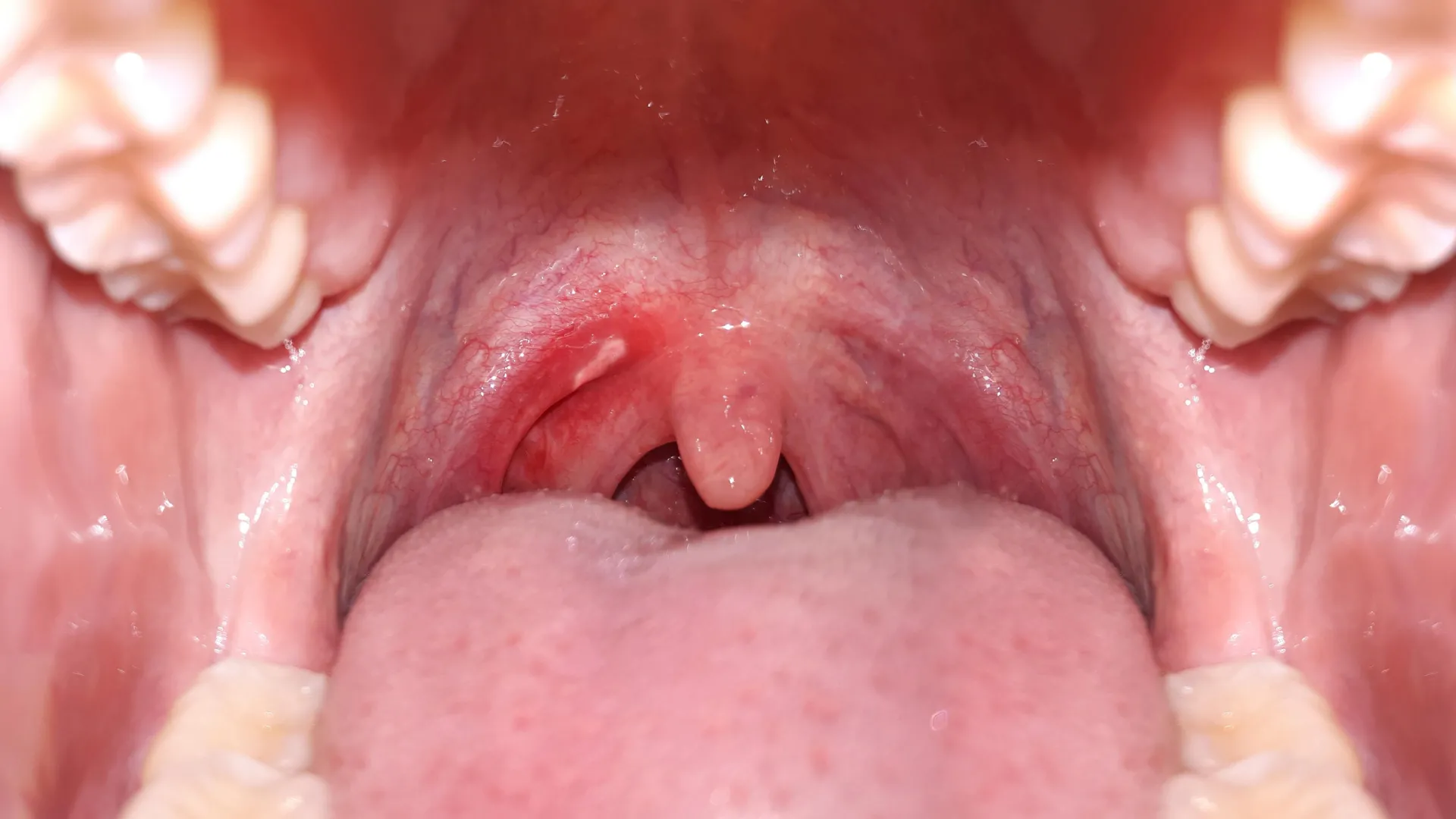
The clinical outlook for patients remains grim. The five-year survival rate for buccal mucosa cancer is a mere 43%, a statistic that highlights the aggressive nature of the disease and the often-late stage at which it is detected. The buccal mucosa—the sensitive pink tissue lining the inner cheeks and lips—is particularly vulnerable to the carcinogenic properties of the substances consumed by the population. As these incidence rates continue their upward trajectory, the socioeconomic and emotional toll on Indian families has reached a critical tipping point.
A Decadal Investigation: The Chronology of the Study
To untangle the complex relationship between lifestyle factors and oral cancer, researchers conducted a comprehensive comparative study between 2010 and 2021. The investigation involved 1,803 participants diagnosed with buccal mucosa cancer, matched against 1,903 control subjects who did not have the disease.
Phase I: Recruitment and Baseline Data
Recruitment took place across five specialized study centers, capturing a diverse cross-section of the population. The demographic focus was centered on adults aged 35 to 54, though the data revealed a disturbing trend: nearly 46% of all cancer cases were found in individuals between the ages of 25 and 45. This suggests that the disease is increasingly impacting the younger, economically active segment of the Indian workforce.
Phase II: Mapping Consumption Habits
Participants underwent rigorous interviews regarding their consumption history. The researchers categorized alcohol intake into two distinct tiers:
- Internationally recognized drinks: These included beer, whisky, vodka, rum, and flavored "breezers."
- Locally brewed options: The study cataloged 30 varieties of home-brewed or illicitly produced alcohol, including apong, bangla, chulli, desi daru, and mahua.
By documenting the duration, frequency, and specific type of alcohol consumed, alongside detailed histories of tobacco use, researchers were able to isolate how these two substances interact to degrade oral health.
Supporting Data: The Synergy of Risk
The data paints a clear picture: the more frequently an individual consumes alcohol, the higher their risk of developing cancer. However, the study’s most groundbreaking revelation concerns the "no-threshold" nature of the risk.
The Impact of Low-Level Consumption
The study found that consuming as little as 9 grams of alcohol per day—the equivalent of a single standard drink—is associated with a 50% increase in the risk of mouth cancer. Even more startling, the researchers observed increased risk markers in individuals consuming less than 2 grams of beer daily. This effectively eliminates the notion that "moderate" drinking is benign in the context of oral cancer.
The Role of Locally Brewed Spirits
While international brands were linked to a 72% higher risk compared to non-drinkers, those who consumed locally brewed alcohol faced an 87% increase. This disparity is believed to be linked to the total lack of quality control in rural, unregulated markets. These beverages are frequently contaminated with high concentrations of toxic substances like methanol and acetaldehyde, which act as potent carcinogens.
The Tobacco Multiplier
When alcohol and chewing tobacco are used concurrently, the biological impact is compounded. The study estimates that this pairing is responsible for 62% of all buccal mucosa cancer cases in India. The combined exposure creates more than a fourfold increase in risk. On average, cancer patients in the study had used tobacco for 21 years, compared to 18 years for the control group, suggesting that duration and cumulative exposure are primary drivers of the disease.
The Mechanism of Vulnerability: Why Alcohol Matters
The study offers a biological explanation for why alcohol is so dangerous for the mouth lining. Ethanol, the primary component of alcoholic beverages, appears to alter the lipid (fat) content of the mucosal lining of the mouth. This change makes the tissue more permeable, effectively acting as a "solvent" that allows the potent carcinogens found in chewing tobacco to penetrate the cells more deeply and more quickly.
By weakening the natural barrier of the oral cavity, alcohol creates an environment where tobacco-induced cellular mutation can occur with greater efficiency. This mechanism explains why alcohol increases cancer risk regardless of the duration of tobacco use; it is a catalyst that accelerates the damage already being done by tobacco.
The Regulatory Dilemma: Unregulated Markets
The researchers point to a significant gap in India’s legal framework. While the Indian Constitution provides for the regulation of alcohol production under the State List of the Seventh Schedule, the enforcement is inconsistent.
"The locally-brewed liquor market is unregulated," the authors noted. "Some forms used by participants contained up to 90% alcohol content." In rural areas where formal monitoring is absent, the prevalence of these high-potency, contaminated spirits is a primary public health challenge. The lack of standardized production means that consumers are often unaware of the chemical toxicity of the beverages they purchase, and the state’s inability to monitor these supply chains contributes directly to the rising cancer incidence in regions like Meghalaya, Assam, and Madhya Pradesh.
Implications for Public Health and Prevention
The conclusion drawn by the research team is categorical: "There is no safe limit of alcohol consumption for buccal mucosa cancer risk."
Policy Recommendations
- Integrated Awareness Campaigns: Public health messaging must stop treating alcohol and tobacco as separate health issues. Campaigns should explicitly highlight the exponential risk of combining the two.
- Stricter Regulation of Local Spirits: Governments must address the unregulated production of illicit liquor, which acts as a primary vector for carcinogenic exposure in rural demographics.
- Early Screening Initiatives: Given that 46% of cases occur in the 25–45 age group, there is an urgent need for targeted oral screening programs in workplaces and rural health centers to catch lesions in their pre-cancerous stages.
The researchers believe that if these two primary risk factors—alcohol and tobacco—were effectively mitigated through aggressive policy and public education, the burden of buccal mucosa cancer could be almost entirely eliminated from the Indian population. As the country continues its rapid development, the health of its people depends on addressing the toxic legacy of these common but deadly lifestyle choices. The BMJ Global Health study provides the scientific roadmap; the challenge now lies in the political and social will to implement it.