





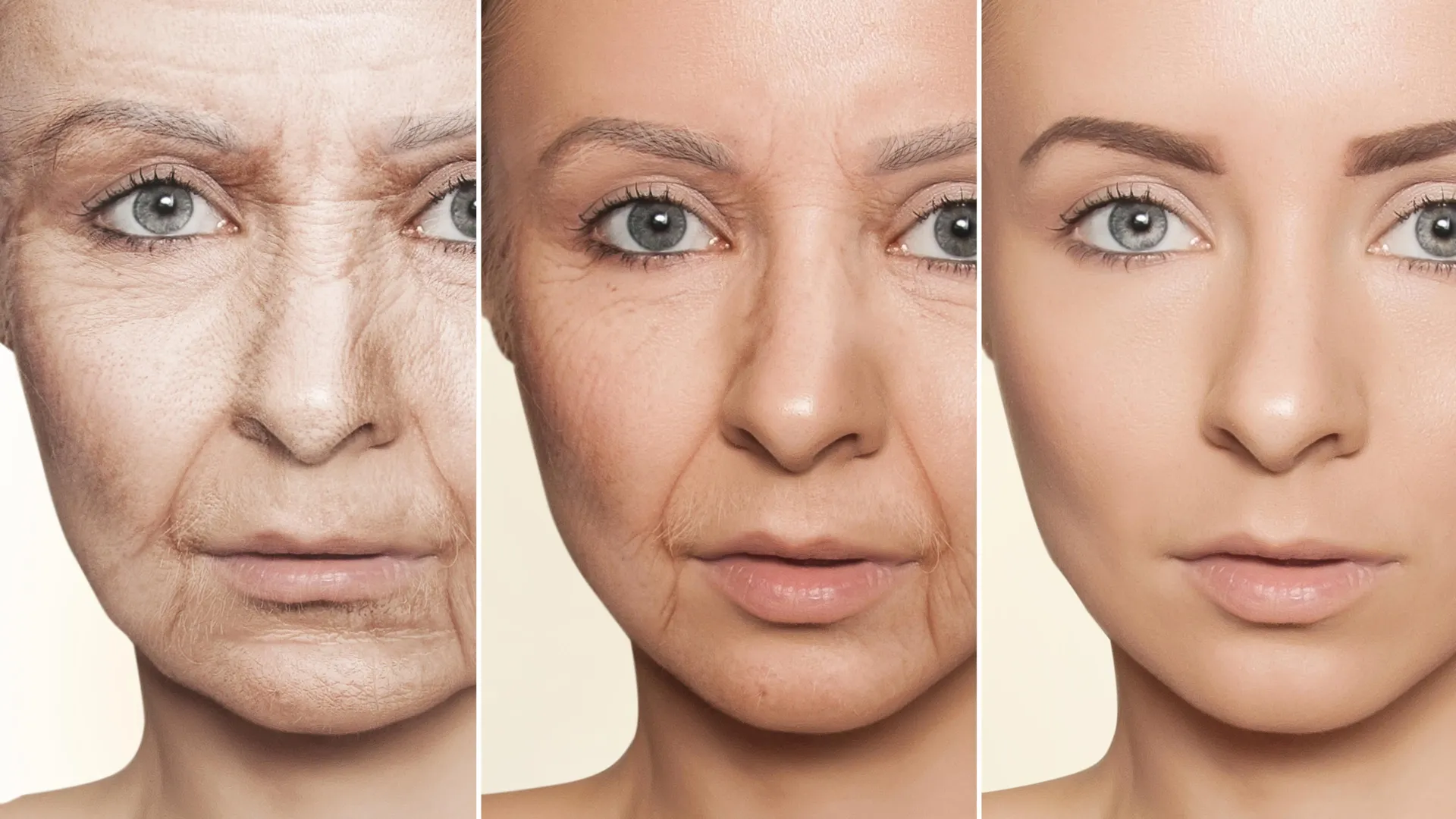
For centuries, aging was viewed as an inevitable, entropic process—a gradual "wear and tear" of the body’s machinery, much like a machine slowly grinding to a halt. However, a groundbreaking study published in PLOS Biology is shifting this paradigm, suggesting that aging may not be a passive decline but an active, regulated program governed by a specific "command center" in the brain.
Led by researchers at Xiamen University in China, the team has identified a critical protein known as Menin, which appears to function as a biological toggle switch. When levels of Menin are high, the body maintains youthful vitality; when they decline, a cascade of systemic aging begins. The findings not only identify a potential target for therapeutic intervention but also highlight the pivotal role of the hypothalamus in orchestrating the body’s descent into old age.
The Central Command: The Hypothalamus and Aging
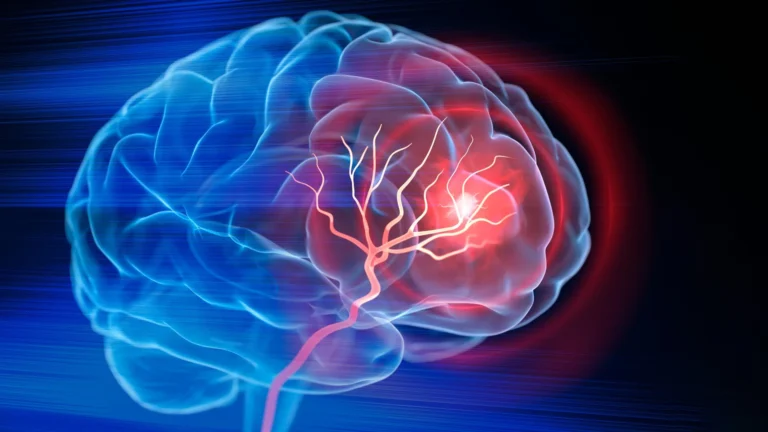
The hypothalamus, a walnut-sized structure buried deep within the brain, has long been recognized as the body’s master regulator. It serves as the bridge between the endocrine system and the nervous system, controlling essential functions such as body temperature, hunger, thirst, sleep cycles, and the body’s response to stress.
In recent years, however, the scientific community has begun to view the hypothalamus as something more: a central hub for the aging process itself. The theory suggests that the hypothalamus doesn’t just manage daily homeostasis but also coordinates the systemic biological changes that occur over decades. As neurons within this region undergo age-related changes, they may send out faulty signals—or fail to send necessary ones—that accelerate the degradation of organs, skin, and cognitive faculties.
The research team, headed by Lige Leng, sought to uncover the specific molecular mechanisms that cause this hypothalamic deterioration. Their focus turned to Menin, a protein already known for its role in suppressing inflammation, to see if it might be the "master key" that keeps this hypothalamic engine running smoothly.
Chronology of a Discovery: From Mouse Models to Breakthroughs
The journey to this discovery followed a meticulous path of observation and intervention. The researchers first established a baseline, observing that Menin levels in the hypothalamus dropped sharply as mice grew older. Crucially, this decline was localized to specific neurons within the ventromedial hypothalamus (VMH), a subregion heavily involved in metabolic regulation.
1. Identifying the Deficiency
The team observed that while Menin vanished from the neurons of aging mice, nearby support cells like astrocytes and microglia remained unaffected. This suggested that the loss of Menin was a specific, programmed event rather than a general failure of the brain’s cellular environment.
2. The Engineered Decline
To determine if the loss of Menin was a cause of aging rather than just a symptom, the researchers engineered mice with the ability to selectively reduce Menin activity. The results were startling. Even in younger mice, the artificial reduction of Menin triggered a suite of classic aging markers: skin thinning, loss of bone mass, diminished balance, significant memory impairment, and widespread neuroinflammation. The mice were, biologically speaking, aging in fast-forward.
3. The Reversal Phase
The most compelling phase of the experiment involved restoring the protein. By delivering the Menin gene directly into the hypothalamus of 20-month-old mice—the equivalent of a human in their late 70s or 80s—the researchers achieved what seemed like a biological reset. Within 30 days, the mice showed measurable improvements in cognitive testing, motor coordination, bone density, and skin health.
The D-Serine Connection: A Therapeutic Path Forward
Perhaps the most surprising finding in the study was the identification of a downstream chemical mediator: D-serine. The research revealed that Menin is responsible for regulating the production of this amino acid, which acts as a vital neurotransmitter in the brain.
D-serine is essential for synaptic plasticity—the ability of neurons to form new connections and store memories. The study found that when Menin levels dropped, the enzyme responsible for synthesizing D-serine also faltered, leading to a deficiency.
The implications for supplementation were immediate. While restoring Menin via gene therapy is a complex medical procedure, D-serine is already available as a dietary supplement and is found naturally in foods like eggs, fish, soybeans, and nuts. When the researchers administered D-serine to elderly mice, they observed a significant boost in cognitive performance. However, unlike the full gene therapy, D-serine supplementation alone did not fully reverse the physical aging markers like bone density loss. This suggests that while D-serine is a major component of Menin’s anti-aging effect, Menin likely controls a broader network of pathways that manage systemic physical health.
Supporting Data and Broader Scientific Context
This study does not exist in a vacuum. It aligns with a growing body of literature that positions the hypothalamus as the "pacemaker" of the body. A 2024 study in Nature Communications further bolstered this, demonstrating that the hypothalamus undergoes unique epigenetic changes—specifically in DNA methylation—as it ages. These changes influence pathways associated with oxytocin and gonadotropin-releasing hormone (GnRH), both of which are critical for longevity and hormonal balance.
The convergence of these studies suggests a new model of aging:
- Genetic/Epigenetic Priming: Age-related changes in the hypothalamus occur at the DNA level.
- Proteomic Shift: Proteins like Menin decline, leading to a loss of protective, anti-inflammatory control.
- Metabolic and Neurochemical Fallout: The loss of protective proteins leads to deficiencies in neurotransmitters (like D-serine) and increased systemic inflammation.
- Systemic Decline: The body loses its ability to maintain tissue integrity (skin/bone) and cognitive function.
Official Perspectives: The Experts Weigh In
Lige Leng, the study’s lead author, emphasized the dual nature of these findings in his post-study assessment. "We speculate that the decline of Menin expression in the hypothalamus with age may be one of the driving factors of aging," Leng noted. "Menin may be the key protein connecting the genetic, inflammatory, and metabolic factors of aging."
However, the scientific community maintains a balanced, cautious optimism. While the restoration of Menin in mice produced near-miraculous physical improvements, the jump to human application is fraught with biological complexity.
"Ventromedial hypothalamus (VMH) Menin signaling is clearly a critical node," Leng added, "but we must understand why it declines in the first place. Is it a byproduct of other metabolic stressors, or is it the primary cause? That distinction is the difference between treating a symptom and curing the process."
Implications: A New Frontier in Anti-Aging Medicine
The prospect of a "biological switch" for aging opens doors to a new field of targeted therapeutics. If human trials were to eventually confirm that Menin or its downstream products could safely modulate the aging process, the implications would be profound:
- Precision Geriatrics: Rather than treating individual age-related diseases (like osteoporosis or dementia) separately, physicians might one day target the underlying hypothalamic dysfunction that predisposes patients to these conditions simultaneously.
- Cognitive Preservation: D-serine supplementation, if validated, could provide a non-invasive way to maintain synaptic plasticity, offering a potential tool against neurodegenerative conditions like Alzheimer’s.
- Preventative Health: Understanding the decline of Menin could allow for early intervention, slowing the biological clock before significant damage to bone or brain tissue occurs.
A Word of Caution
Despite the excitement, researchers are quick to warn against the "supplement trap." The brain is a delicate, highly regulated organ. Altering neurotransmitter pathways—even with a supplement as seemingly benign as an amino acid—carries the risk of unintended consequences. Hormonal and chemical imbalances in the hypothalamus can have cascading effects on the rest of the body, including mood regulation, appetite, and circadian rhythms.
Furthermore, the study was conducted on mice, whose metabolic rates and biological timelines differ significantly from humans. The duration of the benefits, the potential for long-term side effects, and the ethics of "bio-hacking" the hypothalamus remain major hurdles for future research.
Conclusion
The study published in PLOS Biology serves as a powerful reminder that our biological destiny may be more malleable than once thought. By identifying Menin as a central player in the hypothalamus’s role in aging, scientists have provided a roadmap for future investigation. We are moving away from viewing aging as an inevitable collapse and toward seeing it as a biological process that can be decoded, studied, and perhaps one day, effectively modulated. Whether this leads to a "fountain of youth" or simply better management of the aging process, the hypothalamic switch has officially become one of the most exciting frontiers in modern medicine.