











Last Updated: October 24, 2020
The emergence of SARS-CoV-2—the novel coronavirus responsible for the COVID-19 pandemic—has fundamentally altered the global healthcare landscape. As researchers race to understand the clinical trajectory of the virus, a sobering picture has emerged: COVID-19 does not impact all individuals equally. While age and immunocompromised status were recognized early as primary drivers of severe outcomes, a growing body of evidence has identified obesity as a significant, independent risk factor for hospitalization, intensive care unit (ICU) admission, and mortality.
This article examines the complex relationship between obesity, metabolic health, and COVID-19, while highlighting how systemic social inequities have amplified these risks across vulnerable populations.
Main Facts: The Obesity-COVID Connection
The scientific community has shifted its focus toward the metabolic underpinnings of COVID-19 severity. Data indicates that individuals with obesity are not merely at higher risk for catching the virus, but are significantly more susceptible to life-threatening complications.
A comprehensive systematic review of 75 peer-reviewed studies has provided stark statistics: compared to individuals within a "healthy" weight range, those classified as having obesity faced a 113% higher risk of hospitalization. Furthermore, the likelihood of requiring ICU care increased by 74%, while the risk of mortality rose by 48%.
Why Obesity Exacerbates COVID-19
While the precise biological mechanisms are still being mapped, medical experts point to several potential pathways that explain why obesity complicates the body’s response to SARS-CoV-2:
- Chronic Systemic Inflammation: Obesity is characterized by a state of low-grade, chronic inflammation. When the immune system encounters a pathogen like COVID-19, this baseline inflammation can contribute to an overactive immune response, often referred to as a "cytokine storm," which causes severe tissue damage.
- Reduced Pulmonary Function: Excess adipose tissue, particularly around the chest and abdomen, can restrict lung expansion and reduce functional residual capacity. This makes it significantly harder for the respiratory system to compensate for the damage caused by viral pneumonia.
- Metabolic Dysfunction: Obesity is frequently linked to comorbid conditions such as Type 2 diabetes, hyperlipidemia, and hypertension. These underlying metabolic issues weaken the body’s ability to defend against infection.
- Impaired Immune Response: Emerging research suggests that the immune systems of individuals with obesity may be less efficient at mounting a targeted, effective response to new viruses, potentially delaying the viral clearance process.
Chronology of Scientific Discovery
The understanding of COVID-19 has been a rapid, evolving process. Since the initial outbreak in late 2019, the global medical community has moved from general observation to granular analysis.
- Early 2020: Initial reports from Wuhan, China, and later Lombardy, Italy, focused primarily on geriatric populations. At this stage, obesity was largely viewed as a secondary concern, secondary to age and pre-existing cardiovascular conditions.
- Spring 2020: As the virus surged in the United States and the United Kingdom, clinicians began observing high rates of hospitalization among younger, seemingly healthy adults. BMI data began to emerge as a critical variable in clinical outcome studies.
- Summer 2020: The synthesis of dozens of observational studies confirmed that obesity was a statistically significant predictor of severe illness, leading organizations like the CDC and international health bodies to officially categorize obesity as a high-risk factor.
- Fall 2020 (Current Context): Research has moved beyond simple correlations to examining the "intersectionality" of the pandemic—focusing on how structural racism, food insecurity, and obesity converge to create the high death rates seen in marginalized communities.
Supporting Data: Disparities in Risk
The COVID-19 pandemic has acted as a stress test for the American healthcare system, revealing deep-seated inequalities. The virus has disproportionately affected racial and ethnic minority groups, particularly Black, Hispanic, and Native American communities.
The Role of Social Determinants
These disparities are not biological in origin; they are the result of long-standing systemic health and social inequities. Factors contributing to this inequity include:
- Access to Nutritious Food: Many minority communities exist in "food deserts," where access to fresh, whole foods is limited, making it difficult to maintain a diet that supports metabolic health.
- Environmental Stressors: Living in areas with higher pollution levels or higher rates of crime can exacerbate underlying health conditions.
- Economic Disparities: Many individuals in these demographics are "essential workers" who cannot work from home, increasing their daily exposure risk while simultaneously limiting their ability to engage in preventative health measures.
When these systemic factors are combined with the higher prevalence of obesity-related comorbidities in these groups, the result is a catastrophic increase in morbidity and mortality.
Official Responses and Strategic Implications
The gravity of the current situation has forced a reevaluation of public health priorities. Experts are now calling for a shift from reactive medicine to proactive, systemic prevention.
The Need for Coordinated Policy
The pandemic has underscored the failure of fragmented, short-term approaches to public health. There is an urgent call for:
- Federal Obesity Prevention Funding: A coordinated national strategy is required to address the root causes of obesity, moving away from "personal responsibility" narratives toward addressing the structural issues—such as agricultural subsidies, urban planning, and food labeling—that shape the environment in which citizens make dietary choices.
- Integrated Chronic Disease Management: The intersection of infectious disease and chronic illness is the new reality. Healthcare providers are being urged to screen for metabolic health more aggressively and to treat obesity as a chronic disease that requires ongoing management rather than a lifestyle failure.
Maintaining Health During the Pandemic
While global policies take time to shift, individual agency remains a vital component of resilience. Protecting one’s metabolic health is, in effect, a form of pandemic preparedness.
Actionable Steps for Immune Support
While no specific diet acts as a "cure" or a "shield" against COVID-19, a consistent, healthy lifestyle provides the foundation for a robust immune response:
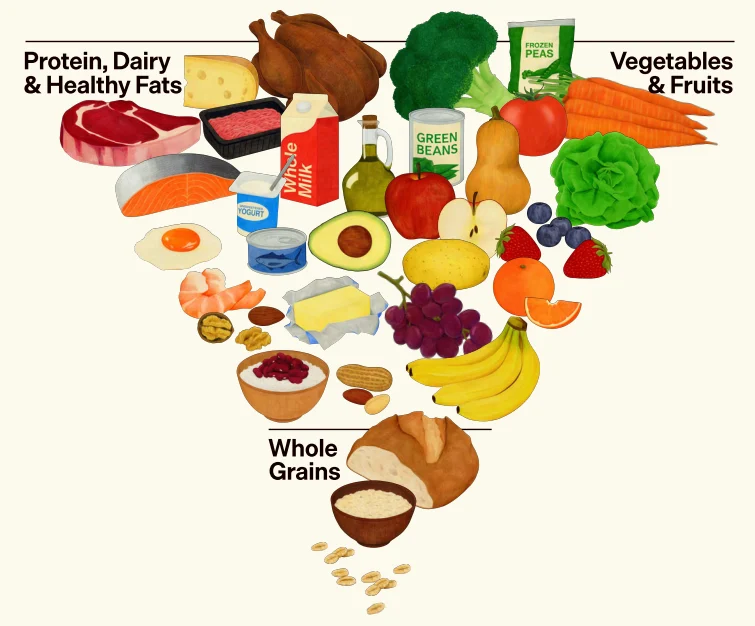
- Nutritional Density: Focus on whole foods, including fruits, vegetables, lean proteins, and whole grains. Reducing the intake of ultra-processed foods—which are high in sugar and sodium—can help mitigate chronic inflammation.
- Physical Activity: Regular, moderate exercise is one of the most effective ways to improve metabolic health and reduce systemic inflammation. Even 30 minutes of walking daily can improve insulin sensitivity and lung capacity.
- Stress Management: High levels of chronic stress trigger the release of cortisol, which can suppress immune function over time. Incorporating mindfulness, meditation, or consistent sleep schedules can mitigate the physiological toll of the pandemic.
- Sleep Hygiene: Sleep is the body’s primary recovery period. Aiming for 7–9 hours of quality sleep is essential for hormonal balance and immune regulation.
The Path Forward
The lesson of 2020 is clear: the health of the individual is inextricably linked to the health of the community and the robustness of the social structure. By addressing the root causes of obesity—social, environmental, and biological—we do not only improve our current resilience against COVID-19; we build a more sustainable and equitable foundation for future public health challenges.
For more information on nutrition, food safety, and maintaining wellness, please visit the Harvard T.H. Chan School of Public Health’s Nutrition Source.
References
(Note: As the science is dynamic, readers are encouraged to consult primary peer-reviewed databases such as PubMed and the CDC’s COVID-19 Clinical Resources page for the latest updates on metabolic risk factors.)