Last Updated: October 24, 2020
The emergence of SARS-CoV-2, the novel coronavirus responsible for the COVID-19 pandemic, has fundamentally reshaped global public health priorities. As the virus continues to circulate, researchers and clinicians are rapidly unmasking the complex variables that dictate disease severity and mortality. While initial reports focused heavily on age and pre-existing respiratory conditions, a more nuanced understanding of the pandemic has revealed that metabolic health—specifically obesity—and deep-seated systemic health inequities are among the most critical predictors of clinical outcomes.
Main Facts: The Correlation Between Obesity and COVID-19
The medical community has reached a strong consensus: obesity is a significant risk factor for severe COVID-19. Data compiled from global studies suggest that the physiological changes associated with excess adiposity create a "perfect storm" for viral susceptibility and complications.
A landmark systematic review encompassing 75 distinct studies has quantified this threat with alarming precision. When compared to individuals maintaining a healthy body mass index (BMI), those with obesity face a 113% higher risk of hospitalization. Furthermore, the likelihood of requiring intensive care unit (ICU) admission—often necessitating mechanical ventilation—increases by 74%. Perhaps most concerning is the 48% increase in the risk of mortality. These figures do not represent mere correlation; they suggest a biological predisposition that renders the body less capable of mounting an effective defense against the SARS-CoV-2 pathogen.
Chronology: Understanding the Emerging Data
The trajectory of this understanding has been swift. In the early stages of the pandemic (Q1 2020), clinicians observed that patients with metabolic syndrome were disproportionately represented in hospital wards.
- Early 2020: Case reports from China and Italy began suggesting that patients with underlying comorbidities, including diabetes and cardiovascular disease, were struggling to recover.
- Spring 2020: As the virus hit the United States and the United Kingdom, researchers began isolating obesity as an independent variable, distinct from age.
- Summer 2020: Large-scale meta-analyses, such as the one referenced in the 75-study review, provided the statistical weight necessary to confirm that obesity was not just a comorbid factor, but a primary driver of hospitalization risk.
- Fall 2020: The focus shifted from merely identifying the risk to understanding the mechanisms of systemic inflammation and immune dysfunction, highlighting the need for long-term policy interventions.
Supporting Data: Why Obesity Increases Risk
The mechanisms responsible for greater COVID-19 severity in individuals with obesity are multifactorial. While the precise biological pathways are still being mapped, existing knowledge regarding viral infections, such as influenza, offers a window into the pathology.
1. Chronic Systemic Inflammation
Obesity is characterized by a state of chronic, low-grade systemic inflammation. Adipose tissue is not merely an energy storage depot; it is an active endocrine organ that secretes cytokines—signaling proteins that can exacerbate the "cytokine storm" often seen in severe COVID-19 cases.
2. Impaired Pulmonary Function
Individuals with obesity often experience reduced lung capacity and restricted chest wall expansion. When the respiratory system is already compromised by the physical pressure of excess body mass, the addition of a viral infection that attacks lung tissue creates a significantly higher risk of respiratory failure.
3. Metabolic Dysfunction
Metabolic health is deeply linked to immune response. Obesity is frequently accompanied by insulin resistance and hyperlipidemia. These metabolic disruptions impair the innate and adaptive immune systems, making it more difficult for the body to identify and neutralize the virus in its early stages.
4. Comorbidity Burden
Finally, obesity is a gateway to other high-risk conditions. Patients with obesity are statistically more likely to suffer from type 2 diabetes, hypertension, chronic kidney disease, and liver disease. Each of these conditions acts as a secondary risk factor, creating a compounding effect on patient health.
Official Responses and Systemic Inequities
Beyond individual biology, the pandemic has acted as a stress test for the social fabric of the United States, revealing stark disparities. COVID-19 has disproportionately ravaged Black, Hispanic, and Native American communities.
The CDC and various public health institutions have noted that these populations face higher rates of hospitalization and mortality. However, it is a fallacy to attribute these disparities solely to biological differences. Instead, these outcomes are the direct result of long-standing systemic health and social inequities. Issues such as food deserts, lack of access to affordable, nutrient-dense foods, systemic housing discrimination, and unequal access to high-quality healthcare contribute to a baseline of poor health that leaves these communities more vulnerable to infectious disease.
Public health officials are now calling for a shift in strategy. The pandemic has highlighted that we cannot address the threat of infectious diseases without addressing the chronic disease epidemic that precedes them.
Implications: A Path Forward
The "COVID-19 era" has laid bare the devastating intersection between infectious and chronic disease. To mitigate future risk, the medical and policy community must move beyond temporary, reactive measures.
The Need for Coordinated Prevention
There is an urgent need for coordinated federal obesity prevention funding. Policies should target the root causes of metabolic health issues, such as the ubiquity of ultra-processed foods, the lack of safe spaces for physical activity, and the economic barriers that prevent vulnerable populations from accessing primary care.
Individual Empowerment and Health Maintenance
While systemic change is required, individuals can still take proactive steps to bolster their defenses. While there is no "cure-all" diet or supplement for COVID-19, the pillars of metabolic health remain the best defense against severe disease:
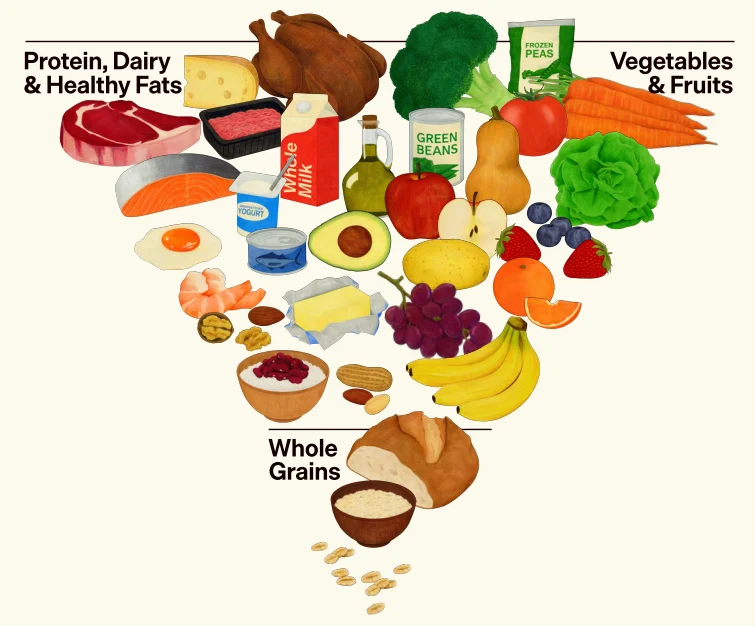
- Nutritional Quality: Focusing on whole, unprocessed foods helps stabilize blood glucose levels and reduces systemic inflammation.
- Physical Activity: Regular moderate exercise improves insulin sensitivity and lung function, providing a crucial buffer against respiratory distress.
- Stress and Sleep: Chronic stress elevates cortisol levels, which can suppress immune function. Prioritizing 7–9 hours of sleep and stress management techniques is essential for maintaining a robust immune system.
The Role of Policy
Moving forward, public health must transition to a holistic model. This means integrating metabolic health into infectious disease preparedness. Future healthcare infrastructure must be designed to support those who are most at risk, ensuring that the next global health crisis does not find a population already weakened by preventable chronic conditions.
Conclusion
The evidence is clear: the path to overcoming COVID-19 is not found solely in the development of vaccines or the management of acute symptoms. It is found in the slow, deliberate work of improving the metabolic health of our population and dismantling the structural inequities that have left millions of Americans vulnerable. As we continue to navigate this pandemic, our focus must remain on the intersection of individual wellness and public policy. By fostering a healthier society, we do not only prepare for the next virus; we improve the quality of life for all, regardless of the threats that may arise.
For more information on nutrition, wellness, and public health guidelines, please visit The Nutrition Source at the Harvard T.H. Chan School of Public Health.
References
(Note: As per the source documentation provided, references 1-10 relate to clinical data sets and epidemiological reviews conducted through October 2020. Readers are encouraged to check the original Harvard T.H. Chan School of Public Health archives for the full bibliographic list.)