









For millions of adults worldwide, the struggle with obstructive sleep apnea (OSA) is not just a nighttime nuisance—it is a significant health crisis. Characterized by repetitive airway collapses during sleep that cause breathing to stop and start, OSA is inextricably linked to systemic health issues, including hypertension, cardiovascular disease, and metabolic dysfunction. Recently, a new class of medications—glucagon-like peptide-1 receptor agonists (GLP-1s), such as Ozempic—has captured the attention of patients and clinicians alike. While these drugs are renowned for their efficacy in managing blood sugar and inducing weight loss, their role in treating sleep apnea is nuanced, legally complex, and often a source of insurance frustration.
The Mechanism: Why Weight Loss Matters for Sleep Apnea
To understand why drugs like semaglutide (Ozempic/Wegovy) and tirzepatide (Zepbound) are being evaluated for sleep apnea, one must first understand the anatomy of the condition. Obstructive sleep apnea occurs when the muscles in the back of the throat fail to keep the airway open. In many patients, excess adipose tissue—particularly around the neck and throat—exerts physical pressure on the airway, causing it to narrow or collapse during the relaxation phase of sleep.
Clinical data underscores this correlation: approximately 31% of individuals with OSA are classified as having obesity, and 44% are considered overweight. When a patient loses weight, the circumference of the neck often decreases, which reduces the mechanical burden on the pharyngeal airway. Research has shown that even modest weight loss can result in significant improvements in the Apnea-Hypopnea Index (AHI), a metric used to measure the severity of sleep apnea based on the number of breathing pauses per hour. A comprehensive study review indicated that a 20% reduction in Body Mass Index (BMI) correlates with a 57% reduction in OSA symptom severity.
Chronology of Clinical Developments
The narrative surrounding GLP-1s and sleep apnea has evolved rapidly over the last three years:
- Pre-2023: GLP-1s were primarily marketed and utilized for Type 2 diabetes management. While patients anecdotally reported better sleep and reduced snoring, these were considered "secondary effects" of weight loss rather than primary therapeutic goals.
- Early 2024: The medical community saw a shift as pharmaceutical companies began conducting large-scale trials specifically targeting the intersection of obesity-related OSA and GLP-1 medication.
- Mid-2024: The U.S. Food and Drug Administration (FDA) granted official approval to tirzepatide (Zepbound) for the treatment of moderate-to-severe OSA in adults with obesity. This marked a historic milestone, as it was the first time a weight-loss drug was officially indicated for a sleep-related breathing disorder.
- Present Day: Healthcare providers are now navigating the complex landscape of "off-label" prescribing for other GLP-1s, such as Ozempic, while dealing with restrictive insurance formularies and prior authorization requirements.
Supporting Data: Comparing the Efficacy of GLP-1s
Not all GLP-1 medications function identically, and clinical outcomes vary. While semaglutide (Ozempic/Wegovy) is widely known for its ability to lower A1C and promote weight loss, comparative studies suggest that tirzepatide (Zepbound) may offer superior results regarding sleep apnea metrics.

In clinical trials, patients treated with tirzepatide demonstrated significant improvements in daytime sleepiness scores—a critical factor for those suffering from the chronic fatigue associated with OSA. Furthermore, these trials highlighted improvements in systolic blood pressure, which is often elevated in patients with untreated sleep apnea. While semaglutide is undoubtedly effective for weight management, the specific FDA approval of Zepbound for OSA gives it a distinct advantage in the eyes of insurance adjusters and medical boards.
The Insurance Landscape: Navigating Coverage Challenges
The most frequent question asked by patients is: "Will my insurance cover Ozempic for sleep apnea?" The short answer remains: Generally, no.
Because Ozempic is FDA-approved solely for Type 2 diabetes, most insurance carriers will not cover it for sleep apnea or weight loss. If a doctor prescribes it "off-label" for OSA, the patient is often left to pay the full cash price, which can reach nearly $500 to $1,000 per month depending on the pharmacy and region.
The Role of Comorbidities
Insurance coverage is rarely based on a single diagnosis. Many plans will cover GLP-1s if a patient has a "qualifying" condition. For instance, if you have sleep apnea, a high BMI, and Type 2 diabetes, your insurer may cover Ozempic for the diabetes, and the improvements in your sleep apnea become a positive side effect. Some plans are also beginning to include coverage for patients with cardiovascular risks or high cholesterol, provided the medication is part of a broader, documented weight-loss program.
Prior Authorization and Appeals
If a medication is not on a plan’s formulary, the patient is not necessarily at a dead end. Providers can submit a "Prior Authorization" request, which details the "medical necessity" of the drug. To succeed, this documentation usually requires:
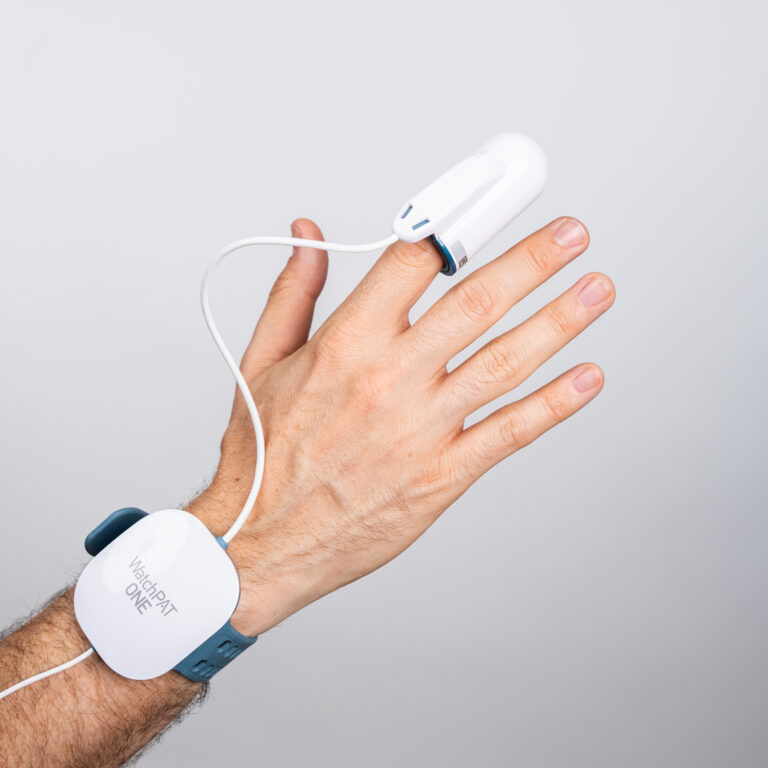
- A confirmed diagnosis of OSA via a home sleep test or polysomnography.
- Evidence that the patient has tried and failed (or is intolerant to) traditional treatments, such as CPAP (Continuous Positive Airway Pressure) therapy.
- Proof of a structured weight loss program that has been attempted without sufficient success.
If an initial request is denied, patients have the right to file an internal appeal. This involves providing additional clinical notes from a primary care physician or sleep specialist. If that fails, an external review by a third-party medical professional can be requested.
Official Responses and Clinical Implications
Medical organizations, including the American Academy of Sleep Medicine (AASM), have acknowledged the potential of these drugs but emphasize that they are not a "cure-all." The prevailing consensus is that GLP-1s should be viewed as an adjunctive therapy.
"We are seeing a paradigm shift where weight loss drugs are becoming part of the multidisciplinary approach to sleep apnea," says one industry expert. However, the expert warns that patients should not abandon their CPAP machines or oral appliances prematurely. "Weight loss is a gradual process. Until a patient reaches a weight where their AHI is clinically normalized, they remain at risk for the serious cardiovascular consequences of untreated sleep apnea."
Practical Steps for Patients
If you believe you have sleep apnea and are interested in GLP-1 medications, follow this professional roadmap:
- Get a Formal Diagnosis: Do not guess. Purchase a home sleep test or visit a sleep clinic to document your AHI. Without a diagnosis, insurance will never approve these medications for OSA.
- Audit Your Insurance: Log into your insurance portal and search the "formulary" for drugs like Wegovy, Zepbound, and Saxenda. This will tell you if they are covered and what the "step therapy" requirements are (e.g., trying CPAP first).
- Document Everything: Keep a journal of your weight, your sleep quality, and your adherence to current treatments like CPAP. This documentation is gold when it comes time for your doctor to fight for your insurance approval.
- Explore Lifestyle Changes: Insurance companies are more likely to approve expensive medications if they see a patient is committed to the process. A documented, calorie-restricted diet and a consistent exercise routine—at least 150 minutes of moderate activity per week—bolster your case for medical necessity.
- Utilize Financial Resources: If insurance denies coverage, look for manufacturer savings programs. Companies like Novo Nordisk (Ozempic/Wegovy) and Eli Lilly (Zepbound) often offer patient assistance programs or savings cards that can significantly lower monthly out-of-pocket costs for those who qualify.
Conclusion: A New Era for Sleep Health
The integration of GLP-1 receptor agonists into the treatment landscape for sleep apnea represents a major step forward. By addressing the root cause of weight-related airway obstruction, these medications offer hope for patients who have struggled with traditional CPAP therapy. However, the path to access remains gated by high costs and rigorous insurance requirements.

As more clinical data emerges and more GLP-1s receive official FDA indications for OSA, it is likely that insurance policies will become more inclusive. In the meantime, patients must remain proactive, informed, and diligent in documenting their health journey. Always remember that any decision to begin a weight-loss medication should be made in close consultation with your healthcare provider, ensuring that the treatment plan is safe, sustainable, and tailored to your specific medical history.
Medical Disclaimer: The content on this page is for informational purposes only and should not be taken as medical advice or used as a recommendation for any specific treatment or medication. Always consult your doctor before taking a new medication or changing your current sleep apnea treatment plan.