For many women in their late 40s and early 50s, the workplace and the home suddenly feel like a battlefield where they are losing their edge. It begins with subtle slips: forgetting the name of a familiar restaurant, losing the thread of a professional meeting, or staring at a computer screen while the cursor blinks in rhythmic mockery of a stalled mind.
For one woman, this experience felt as if her thoughts were buried under a pile of industrial sludge. Despite being a high-functioning professional, her workday had become a non-starter. She would attempt to compress eight hours of cognitive output into a fleeting two-hour window of clarity, only to spend the rest of the day in a hazy, sleep-deprived daze. When she sought medical intervention, the responses were dismissive: antidepressants, sleeping pills, and "defensive" diagnoses of generalized depression. It wasn’t until a routine gynecological check-up—where she happened to mention vaginal dryness—that the true culprit was identified.
She wasn’t depressed. She was experiencing the profound neurological shift of menopause.
The Anatomy of a Life Stage: More Than Just "Aging"
Menopause is not a disease; it is a fundamental biological transition, akin to puberty. Clinically, it is defined as the point occurring 12 consecutive months after a woman’s final menstrual period. Yet, the physiological "sludge" reported by so many women often begins during perimenopause, as hormone levels fluctuate and plummet, triggering a cascade of systemic changes.
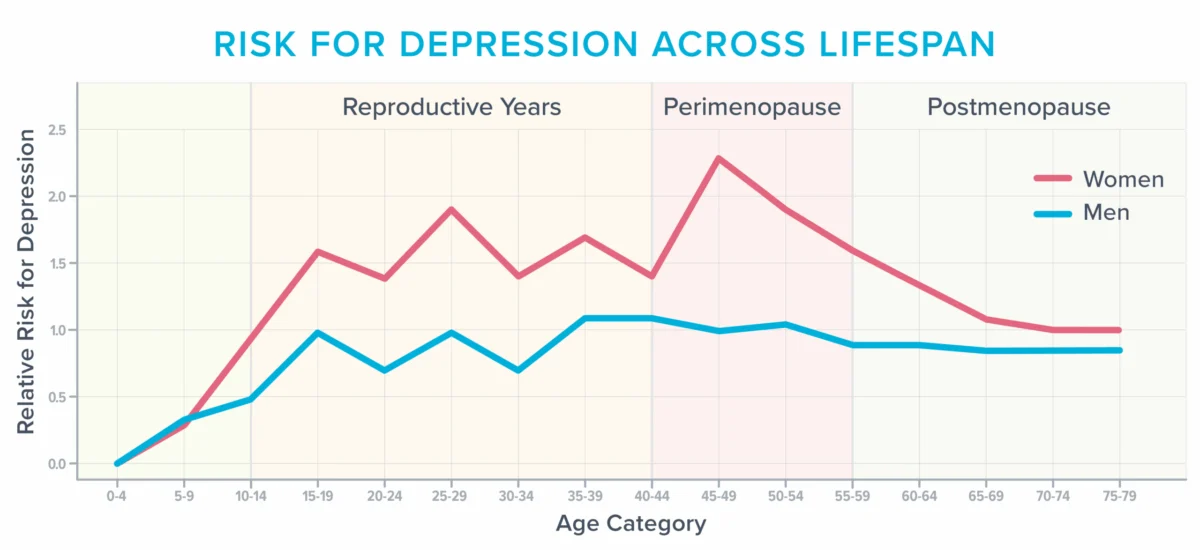
While popular culture focuses heavily on hot flashes and weight gain, the cognitive and emotional toll is staggering. According to the American College of Obstetricians and Gynecologists, approximately 40 percent of women report increased irritability, anxiety, fatigue, and severe trouble concentrating during this transition. This period represents one of the most vulnerable windows in a woman’s life for the onset of clinical depression, particularly for those with a prior history of the condition.
The Vasomotor Connection
For years, the medical community dismissed hot flashes and night sweats—collectively known as "vasomotor symptoms"—as mere inconveniences. We now know this was a grave oversight. Emerging research suggests that these symptoms are not just embarrassing; they are indicative of vascular and neurological changes.
During a hot flash, the body’s internal thermostat, regulated by the hypothalamus, becomes dysregulated due to declining estrogen. This triggers a spike in norepinephrine and cortisol, a surge in heart rate, and the dilation of blood vessels. Recent studies have linked frequent hot flashes to the development of "white matter intensities" in the brain—small lesions that, according to neuroscientists, are predictive of future cognitive decline, stroke, and dementia.
Chronology of the Diagnostic Struggle
The path to relief is rarely linear. For the average woman, the journey often involves a "revolving door" of specialists who treat symptoms in isolation rather than addressing the root cause.
- The Onset: Cognitive decline and emotional volatility emerge, often misattributed to workplace stress or "getting older."
- The Medical Mismatch: Patients present with fatigue, lack of focus, and mood swings. Because these symptoms mirror the PHQ-9 depression scale, doctors frequently prescribe SSRIs or other psychiatric medications.
- The Side Effect Loop: Antidepressants often exacerbate the feeling of being "zombie-like" or drugged, doing little to address the underlying vasomotor instability.
- The Breakthrough: A comprehensive evaluation of the patient’s full hormonal profile—often prompted by specific, seemingly unrelated questions about sleep and energy—reveals the necessity for Menopausal Hormone Therapy (MHT).
- The Restoration: With the introduction of estradiol and progesterone, many women report an almost immediate lifting of the "fog," the return of cognitive sharpness, and the stabilization of sleep patterns.
Supporting Data: The Sleep-Brain Link
The disruption of sleep is perhaps the most insidious aspect of menopause. Many women suffer from "night sweats" without realizing it, as the physiological surge of hormones jolts them awake before they even feel the heat.

These repeated nocturnal awakenings interfere with the hippocampus—the brain’s center for learning and memory—and keep the amygdala, the emotional processing center, in a state of hyper-reactivity. This explains why women in this stage report feeling "enraged" or "anxious" over minor stimuli. When the brain is denied the ability to consolidate memories and metabolize toxins during deep sleep cycles, cognitive function inevitably collapses.
Research indicates that even a few days of this cycle are damaging; years of such disruption can lead to profound, long-term neurocognitive impacts.
Official Responses and the "Defensive Medicine" Barrier
Why are so many healthcare providers hesitant to offer hormone therapy? The answer lies in a combination of outdated medical training and "defensive medicine."
Surveys suggest that 80 percent of medical residents feel "barely comfortable" discussing menopause, with very few programs offering dedicated training. Furthermore, many doctors remain tethered to outdated studies from decades ago that linked hormone therapy to breast cancer and stroke.
Dr. Jerrold H. Weinberg, a menopause-trained gynecologist, notes that many clinicians practice defensive medicine—choosing not to prescribe MHT to avoid potential liability, even when the benefits are medically clear. Modern research, however, paints a different picture: for women under the age of 60 who are within 10 years of menopause onset, the benefits—including a reduced risk of Alzheimer’s and osteoporosis—frequently outweigh the risks.
Strategic Implications: Advocacy and Lifestyle
For those navigating this transition, the strategy for recovery involves a dual approach: clinical advocacy and lifestyle optimization.
Clinical Advocacy
- Seek Specialized Care: Use databases like those provided by The Menopause Society to find practitioners who specialize in hormonal health.
- Data-Driven Consultations: Track your symptoms rigorously. Do not use vague terms like "I’m tired." Instead, present data: "I wake up five times a night; my longest sleep stretch is three hours."
- Shared Decision-Making: Initiate a frank discussion about the risks and benefits of MHT. Ask your doctor, "Based on my specific history, what are the actual risks versus the risks of leaving these symptoms untreated?"
Lifestyle Foundations
- Fundamental Health: Nutrition, stress management, and social connection are non-negotiable.
- Creatine Supplementation: Research suggests 5–7 grams of creatine monohydrate can bolster brain function and combat mental fatigue.
- Light Exposure: Morning sunlight is essential for resetting the circadian rhythm, which helps regulate sleep-wake cycles.
- Modified Exercise: Swap high-intensity, "all-out" workouts for moderate movement or "Zone 2" cardio when you are feeling depleted.
- CBT for Insomnia (CBT-I): This evidence-based therapy helps reframe the mental habits that prevent sleep, even when physical symptoms persist.
- Cooling Technology: Invest in environmental controls, such as cooling mattress pads, to manage vasomotor-induced awakenings.
Conclusion: The Hidden Opportunity
The "fog" of menopause is a wake-up call, not a permanent state of decline. While the physical and emotional symptoms are real and debilitating, they offer a paradoxical opportunity: they force a radical re-evaluation of one’s life.
When mental capacity is limited, you are forced to ask, "Do I really need to be doing this?" By trimming unnecessary responsibilities, prioritizing recovery, and demanding evidence-based medical care, women can move beyond mere survival. The goal is not just to "fix" the symptoms, but to transition into a new, intentional phase of life where they have the clarity to choose exactly where their energy goes—and, just as importantly, where it does not.