




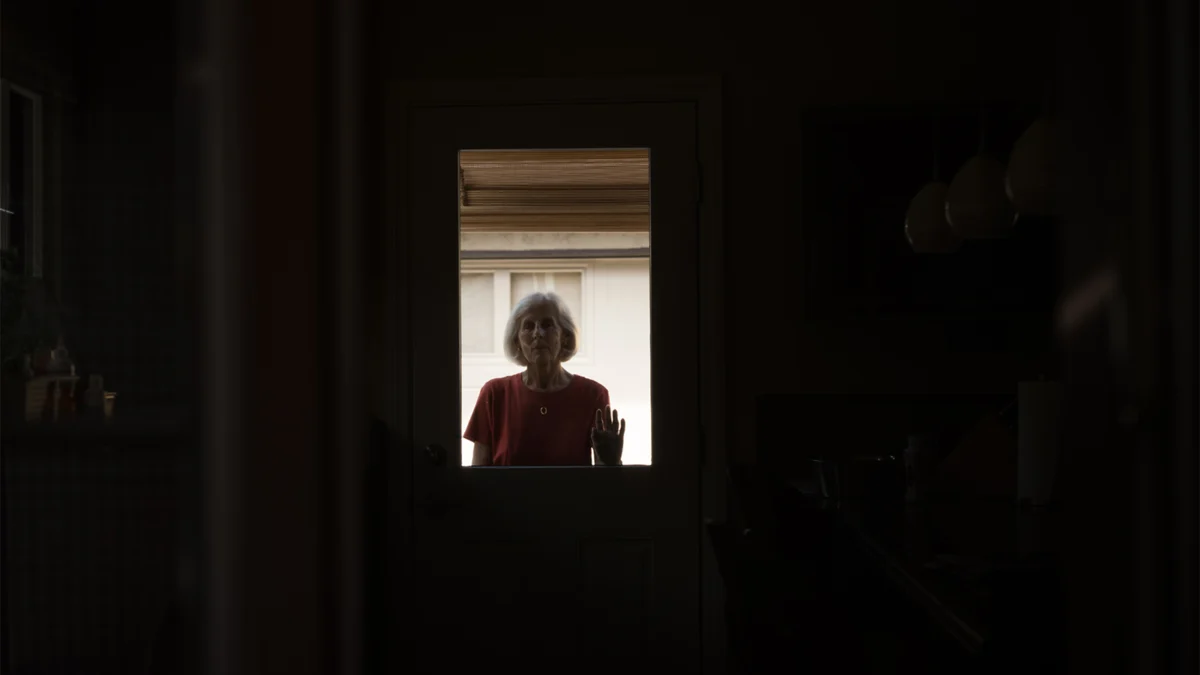
In the quiet suburbs of Southern California, 71-year-old Linda Henry was living a peaceful retirement. A healthy retiree, her interaction with the medical system was limited to the occasional routine checkup. That tranquility was shattered in 2024 when she discovered she had been enrolled in hospice care—a specialized medical service reserved for the terminally ill with six months or less to live.
When she queried the system, Medicare officials delivered the chilling news: the federal database listed her as having heart failure. Linda Henry was not dying, but she had become a casualty of one of the most sophisticated and rampant fraud epidemics in the history of American healthcare. She was a ghost in her own medical record, a victim of a predatory scheme that had hijacked her identity to bill taxpayers for services she never received.
The Anatomy of a Systemic Failure
The hospice fraud crisis, which has reached a fever pitch in California, is the result of a "perfect storm": historically weak state oversight, an influx of bad actors, and the ease with which bad-faith entities can exploit the Medicare billing structure.
Fraudsters have perfected a variety of tactics. Some create "shell" hospices—legal entities on paper that exist only to process fraudulent claims—while others engage in aggressive identity theft, purchasing Medicare numbers on the dark web or tricking seniors into signing away their personal information with promises of gift cards, vitamin supplements, or even small cash payouts.
The consequences for victims like Henry are profound. Because hospice is a comprehensive care model, once a patient is enrolled, Medicare stops paying for almost all other medical treatments outside the hospice umbrella. This creates a "denial of service" trap: legitimate doctors, seeing that a patient is already registered for end-of-life care, are forced to cancel essential procedures, surgeries, and specialized treatments. For the elderly, this bureaucratic blockade can be lethal.
A Chronology of the Crisis
The explosion of hospice fraud in California did not happen overnight, but its trajectory has been exponential.
- Pre-2021: California’s hospice landscape grew unchecked. At its peak, the state housed approximately 2,800 hospice organizations, a number so bloated compared to other states that it raised alarms among auditors.
- 2021: Faced with mounting evidence of abuse, California implemented a moratorium on the licensing of new hospice facilities. By this time, the damage to the regulatory framework was deep.
- 2022: A landmark state audit exposed the scale of the rot, particularly in Los Angeles County. Investigators found clusters of dozens of agencies registered to the same commercial address and discovered an "abnormal" churn rate of patient discharges.
- 2024: The crisis gained national attention as victims like Linda Henry began coming forward. Meanwhile, the federal government ramped up its scrutiny.
- 2025: The Trump administration accelerated its crackdown, resulting in the removal of more than 1,000 California hospices from the Medicare program.
- 2026: While the total number of hospices in the state has dropped to approximately 2,100, the industry remains a primary target for federal investigations, with total fraudulent claims in LA County alone estimated at a staggering $3.5 billion.
Supporting Data: A State of Disproportion
The disparity between California’s hospice industry and the rest of the country is stark. New York, which enforces stringent licensing requirements, operates with only 39 hospice organizations. California’s count of 2,100, even after years of aggressive regulatory revocation, remains a statistical outlier that federal investigators say is impossible to explain through legitimate demand.
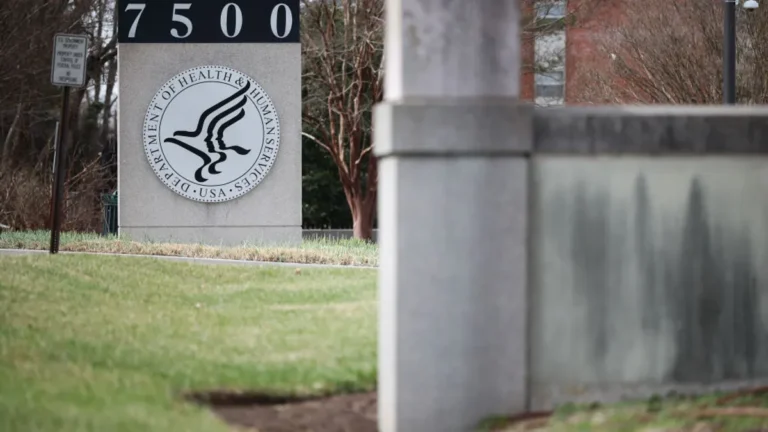
The financial toll is equally staggering. In June 2026, the Department of Justice announced criminal charges against perpetrators responsible for $6.5 billion in false claims across the country. A significant portion of this activity is rooted in Southern California. The federal government has responded by withholding over $2 billion in Medicaid payments to the state, citing "suspected fraud and noncompliance," though state officials argue the lack of transparency from federal agencies hinders their own ability to rectify the issues.
The Long Road to Recovery for Victims
For victims like Linda Henry, the road to restoring their medical autonomy is arduous. After discovering her identity was being used by "Fortuna Hospice Inc.," Henry faced an eight-month bureaucratic nightmare.
"I delayed physical appointments and my colonoscopy and all this stuff because I knew that we were going to fight about this," Henry recounted.
She spent months navigating a labyrinth of cold-call centers, ignored emails, and physical visits to ghost addresses—offices that existed on paper but were empty in reality. It was not until she engaged with federal investigators and advocacy groups that her Medicare status was finally cleared. For many others, the outcome is far worse. Sheila Clark, CEO of the California Hospice and Palliative Care Association, recently testified before Congress about an elderly woman who was denied cataract surgery due to fraudulent hospice enrollment. The woman fell, broke her hip, and died two months later—a preventable death caused by a stolen medical identity.
Official Responses and Political Friction
The response to the crisis has become a flashpoint for political tension. Federal officials, including First Assistant U.S. Attorney Bill Essayli, have pulled no punches. At an April press conference, Essayli labeled California "the kingdom of fraud," directly challenging the state’s governance.
The Trump administration’s involvement has drawn sharp criticism from California’s leadership. Governor Gavin Newsom’s office has filed civil rights complaints following remarks by Medicare officials—such as Dr. Mehmet Oz—that linked the fraud to specific ethnic communities, calling such rhetoric harmful and discriminatory.
However, California Attorney General Rob Bonta maintains that the focus must remain on the mechanics of the crime. "This isn’t a political game for us," Bonta stated. "This is about protecting taxpayer dollars, protecting programs sick and vulnerable Californians rely on, and protecting our state." Since 2021, Bonta’s office has filed over 100 criminal cases and secured more than 50 convictions, signaling that the state is attempting to "clean house" despite the intense federal pressure.
Implications for the Future of Hospice Care
The systemic fraud has created a chilling effect on the industry. Legitimate hospice providers are now operating under a cloud of suspicion, facing increased administrative burdens and potential funding delays as the federal government expands its oversight.
In May, the Centers for Medicare & Medicaid Services (CMS) announced a nationwide six-month moratorium on new Medicare enrollments for hospice and home care providers, a move designed to pause the bleeding while investigators identify the remaining bad actors.
The implications for the American healthcare system are clear: the decentralized, fee-for-service nature of Medicare, when paired with lax state licensing, creates a vulnerability that organized crime is eager to exploit. The "hospice model" relies on a high degree of trust between provider and patient. When that trust is commodified by scammers, the patients who are truly in their final months of life—the very people hospice was designed to serve—are the ones who ultimately pay the highest price.
As the state and federal governments continue their tug-of-war over jurisdiction and blame, the lesson of the California hospice crisis is that regulatory vigilance is not merely a bureaucratic requirement—it is a safeguard for the most vulnerable among us. For Linda Henry and thousands like her, the restoration of their medical identity is only the beginning of a long journey to reclaim a sense of security in a system that failed them when they needed it most.