In the landscape of nutritional science, the debate over the "ideal" diet has long been dominated by the Mediterranean model and low-fat, plant-forward strategies. However, a groundbreaking clinical trial published in the journal Cell Metabolism suggests that for those grappling with obesity, prediabetes, and fatty liver disease, the composition of one’s plate may matter just as much as the scale.
The study, led by researchers at the Washington University School of Medicine in St. Louis, provides compelling evidence that a very low-carbohydrate, high-fat ketogenic (Keto) diet offers distinct metabolic advantages that transcend simple weight loss. While all three diet groups in the study saw improvements in health, the ketogenic group demonstrated a superior ability to shed liver fat and reverse the clinical markers of prediabetes, challenging conventional wisdom regarding dietary fats and metabolic health.
The Core Findings: Beyond the Scale
For decades, the medical community has operated under the mantra that weight loss itself is the primary driver of metabolic health improvement. While this remains true, the Cell Metabolism study introduces a nuanced layer: the specific macronutrient composition of a diet can act as a therapeutic intervention in its own right.
After a rigorous four-to-five-month period, participants following a ketogenic diet—characterized by a high intake of healthy fats and a drastic reduction in carbohydrates—saw their prediabetes markers vanish in 50% of cases. In comparison, those on the Mediterranean diet saw a 29% remission rate, while those on a low-fat, plant-forward diet saw only a 7% improvement. These figures suggest that while any calorie-controlled diet promotes weight loss, the ketogenic approach provides a "metabolic shortcut" to hormonal regulation that other diets simply cannot match.
Chronology of the Clinical Trial
To ensure the integrity of the data, the research team at Washington University conducted a highly controlled, long-term intervention.
Phase I: Enrollment and Baseline Assessment
The study enrolled 42 participants, all of whom shared a profile of obesity, prediabetes, and non-alcoholic fatty liver disease (NAFLD). Because diet adherence is notoriously difficult to track in free-living subjects, the researchers took the unusual step of providing all meals for the duration of the study, ensuring absolute control over macronutrient intake.
Phase II: The Intervention Period
Participants were randomly assigned to one of three dietary protocols:
- The Ketogenic Diet: 4% carbohydrates, 73% fat, and the remainder from protein.
- The Mediterranean Diet: 50% carbohydrates, 35% fat, emphasizing olive oil, nuts, fish, and legumes.
- The Low-Fat/Plant-Forward Diet: 70% carbohydrates, 15% fat, focusing on whole grains, fruits, and vegetables.
Phase III: The Calibration of Weight Loss
A critical aspect of the study design was the adjustment of caloric intake. Researchers meticulously monitored the participants to ensure that, regardless of the diet type, every individual lost approximately 10% of their body weight. This was the study’s "control variable"—by normalizing weight loss across all groups, the researchers could isolate the metabolic effects of the food composition itself, rather than the effects of the weight loss alone.
Supporting Data: The Science of Liver Health
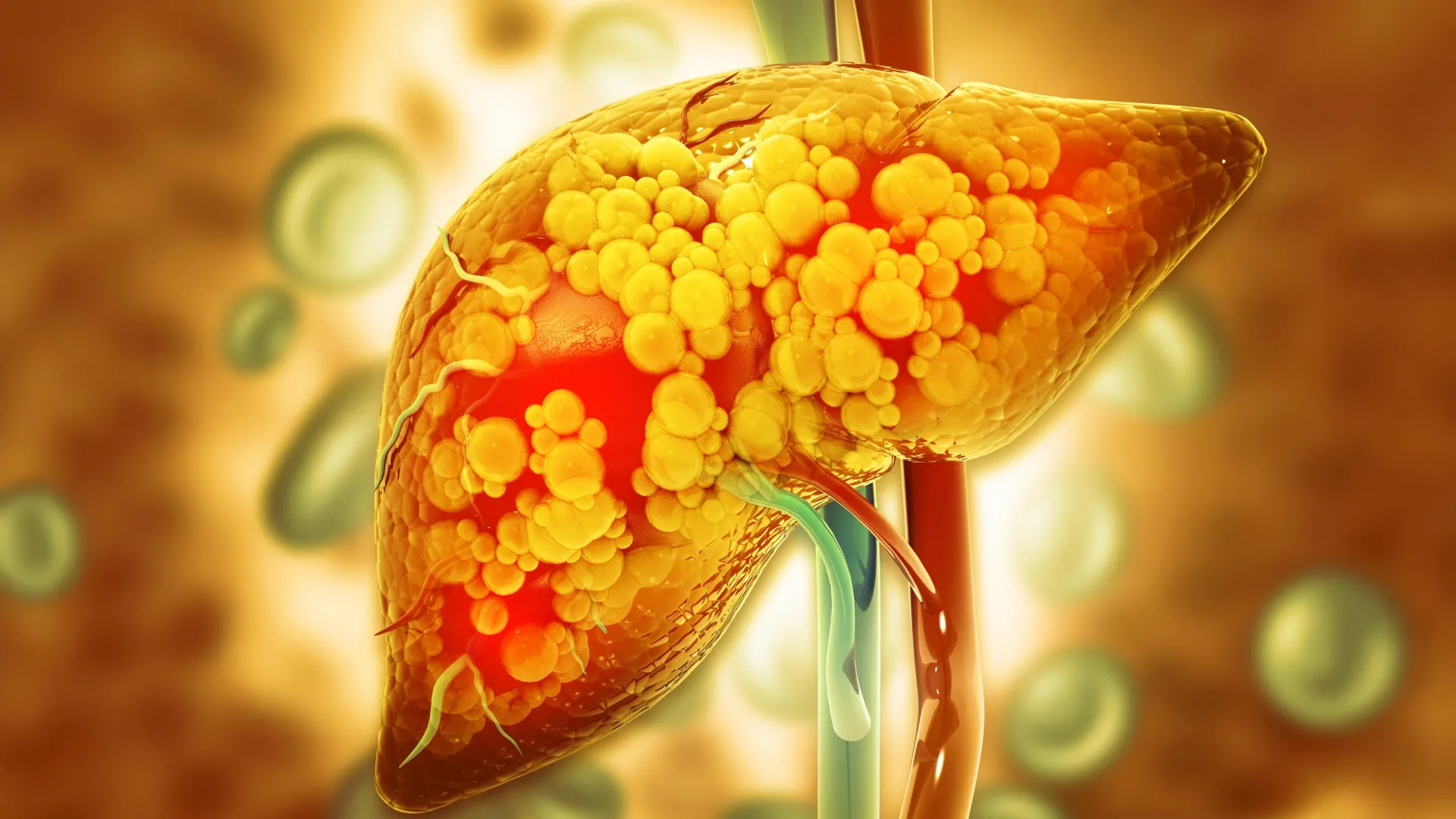
The most striking disparity between the groups was found in the liver—the primary metabolic engine of the body. Fatty liver disease is often the silent precursor to more severe metabolic dysfunction, and reducing liver fat is notoriously difficult.
The Liver Fat Reduction Gap
By the end of the trial, participants on the ketogenic diet experienced a staggering 67% reduction in liver fat. In contrast, both the Mediterranean and the low-fat groups achieved a 45% reduction. This 22-percentage-point difference represents a significant therapeutic advantage for the ketogenic approach.
Hormonal Signaling and Metabolic Shifts
To understand why the liver responded so favorably to the ketogenic diet, the team conducted 24-hour metabolic monitoring. They discovered two primary drivers:
- Glucagon Elevation: Participants on the keto diet showed a significant increase in glucagon levels. Glucagon is a hormone that facilitates the mobilization of stored fat from the liver.
- Insulin Suppression: The drastic reduction in carbohydrates led to the lowest blood insulin levels among the three groups. Since insulin is a fat-storage hormone, keeping levels low allows the liver to prioritize the oxidation (burning) of stored fat rather than the synthesis of new fat.
"The most surprising finding," noted Dr. Max Petersen, the study’s first author, "was that participants in the ketogenic diet group didn’t experience an increase in blood fat or cholesterol levels despite consuming the most fat." This finding directly addresses a long-standing fear that high-fat diets inherently lead to cardiovascular risk, suggesting that under metabolic control, the body manages dietary fats more efficiently than previously assumed.
Official Responses and Perspectives
The study’s corresponding author, Dr. Samuel Klein, emphasizes that the results do not render other diets "ineffective," but rather highlight that different tools are better suited for different problems.
"We know weight loss can improve metabolic health in people who are obese," says Dr. Klein. "Our data suggest that if you have high liver fat content and prediabetes, reducing carbohydrate intake can have important therapeutic effects on metabolism beyond just weight loss alone."
Dr. Petersen added a forward-looking perspective, noting the context of modern medical treatments. "GLP-1-based medications [like Ozempic or Wegovy] have revolutionized the therapy of obesity. We now have a very effective pharmacotherapy for achieving significant weight loss. But in addition, our study shows that the specific composition of the diet can give you added benefits."
The consensus among the researchers is that dietary interventions are not "one size fits all." While the Mediterranean diet is widely praised for its cardiovascular benefits and sustainability, the ketogenic diet may be a more potent tool for patients who are actively struggling with metabolic syndrome or liver-specific pathologies.
Implications for Public Health and Clinical Practice
The prevalence of obesity in the United States, now affecting roughly 40% of the adult population, makes the findings of this trial particularly urgent. As healthcare systems struggle to manage the associated costs of Type 2 diabetes and non-alcoholic fatty liver disease, these results provide a roadmap for more targeted nutritional therapy.
A New Paradigm for Prediabetes
The fact that half of the ketogenic group reversed their prediabetes status is a major clinical milestone. Prediabetes is often treated as an inevitable progression toward chronic disease; these findings suggest that it is a highly reversible state, provided the dietary intervention is precise enough to alter hepatic fat storage.
The Role of Dietary Customization
Clinicians are increasingly moving toward "personalized nutrition." The study implies that when a patient presents with symptoms of metabolic syndrome, a doctor might prioritize a low-carbohydrate approach to rapidly normalize insulin levels and liver fat, potentially using the Mediterranean diet as a long-term "maintenance" phase once metabolic health is restored.
Challenges and Future Directions
Despite the success of the ketogenic group, the researchers acknowledge that the study was conducted under highly supervised conditions. Real-world adherence to a 4%-carbohydrate diet is notoriously difficult, as it requires the near-total elimination of processed sugars, grains, and many fruits. Future research will need to focus on "sustainability protocols"—helping patients transition from strict ketogenic therapeutic phases to long-term, nutrient-dense eating patterns that maintain these metabolic gains without requiring clinical-grade supervision.
Furthermore, while the 24-hour metabolic tracking provided deep insights into hormonal responses, long-term studies are required to determine if these benefits persist over years rather than months.
Conclusion: The Precision of Diet
The Cell Metabolism study serves as a critical bridge between simple calorie counting and advanced metabolic science. By demonstrating that the ketogenic diet acts as a metabolic switch, researchers have opened a new chapter in the treatment of obesity-related illnesses.
While weight loss remains the foundation of metabolic recovery, the "quality of the calorie" is clearly a decisive factor. For the millions of Americans navigating the complexities of prediabetes and fatty liver disease, this research offers a new, evidence-based avenue for intervention—a reminder that in the body’s complex chemical laboratory, the composition of our fuel dictates the efficiency of our systems. As science continues to evolve, the integration of targeted nutritional therapies alongside modern medicine may well become the gold standard for metabolic health.