









In the modern American landscape, the rhythm of daily life is often punctuated by the mid-afternoon energy slump—a phenomenon frequently mitigated by a quick trip to the vending machine or a processed snack bar. However, emerging nutritional science suggests that these habitual "quick fixes" are primary architects of the nation’s metabolic crisis. With nearly one in three American adults currently living with prediabetes, according to the Centers for Disease Control and Prevention (CDC), the urgency for dietary intervention has never been higher.
The solution, according to a growing body of clinical research, does not lie in pharmaceutical innovation or expensive supplements, but in a strategic return to the produce section and the dairy aisle. By prioritizing specific whole-food combinations that balance protein, fiber, and healthy fats, individuals can effectively "brake" the glucose spikes that characterize modern insulin resistance.
The Metabolic Crisis: A Financial and Physiological Burden
For decades, the standard American diet—heavy in refined carbohydrates and added sugars—has pushed metabolic health to a breaking point. The consequences are both physical and fiscal. Diabetes-related healthcare costs in the United States have ballooned to exceed $400 billion annually, a staggering figure that underscores the failure of reactive medicine.
The physiological mechanism behind this crisis is well-documented: when we consume processed carbohydrates, blood glucose levels rise rapidly, forcing the pancreas to overproduce insulin. Over time, this constant cycle leads to insulin resistance, the precursor to Type 2 diabetes. The snacks highlighted in recent nutritional guidance function as a metabolic buffer. By slowing gastric emptying and modulating the speed at which carbohydrates are absorbed into the bloodstream, these nutrient-dense snacks prevent the "peaks and valleys" that drive hunger, fatigue, and long-term metabolic damage.
11 Science-Backed Snacks for Glucose Control
Nutritional experts are shifting the focus from "calorie counting" to "glycemic impact." The following 11 options are identified for their ability to stabilize glucose levels while providing sustained satiety.
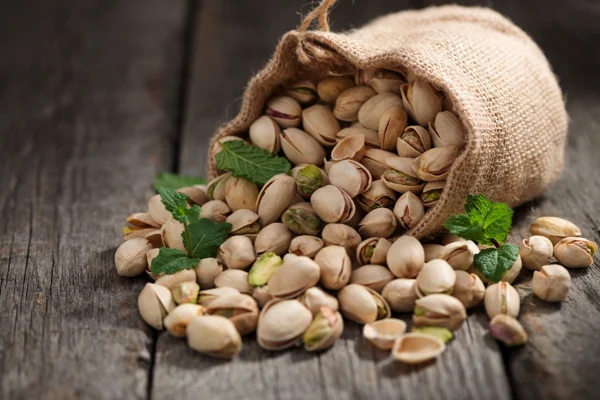
1. Pistachios: The Protein-Fiber Powerhouse
One ounce of pistachios contains approximately six grams of plant-based protein and three grams of fiber. Clinical studies suggest that pistachios do not trigger a significant glycemic response; in fact, they may assist in lowering post-meal glucose levels. They represent a superior alternative to highly processed snack bars, which often mask hidden sugars.
2. Edamame: The Phytoestrogen Advantage
A single cup of shelled edamame provides an impressive 18 grams of protein and eight grams of fiber. Beyond its macronutrient profile, edamame contains phytoestrogens, which emerging research indicates may support healthy glucose metabolism. It is a robust, savory snack that keeps hunger at bay for hours.
3. Apple with Nut Butter: The Synergistic Duo
Apples are rich in soluble fiber, but when paired with almond, cashew, or peanut butter, the blood-sugar-lowering effects are magnified. Research indicates that tree nuts are effective at lowering fasting blood sugar and HbA1c levels. Adding a dash of cinnamon further enhances insulin sensitivity, making this a culinary and clinical powerhouse.
4. Pumpkin Seeds: The Post-Meal Stabilizer
Clinical trials have demonstrated that consuming two ounces of pumpkin seeds after a meal can significantly dampen the glycemic response. The unique combination of minerals, fats, and protein creates a "blunting" effect on glucose absorption.
5. Chia Pudding: The Gel-Forming Fiber
Two tablespoons of chia seeds provide a massive 10 grams of fiber and six grams of protein. When hydrated in milk, these seeds form a viscous gel that physically slows the digestive process. By sweetening this with berries instead of refined sugar, the dish remains a blood-sugar-friendly treat.
6. Greek Yogurt: The Probiotic Foundation
Plain Greek yogurt offers a high-protein, low-carbohydrate base. Consumption of fermented dairy is statistically linked to a lower risk of diabetes. When paired with fiber-rich raspberries, it becomes an ideal snack. It is imperative, however, to avoid "flavored" yogurts, which are frequently laden with as much added sugar as a standard candy bar.
7. Hard-Boiled Eggs: The Zero-Carb Standard
With six grams of protein and zero carbohydrates, the hard-boiled egg is a quintessential metabolic stabilizer. Regular egg consumption has been correlated with improved insulin sensitivity and lower fasting blood glucose levels, providing a stable source of energy without the risk of an insulin spike.
8. Guacamole: The Healthy Fat Buffer
While tortilla chips are notorious for being high-glycemic, pairing them with homemade guacamole changes the equation. The monounsaturated fats in avocados slow the digestion of the starches in the chips, significantly reducing their overall glycemic impact.
9. Cottage Cheese: The Dairy Protein Choice
A half-cup serving provides 12 to 15 grams of protein with minimal carbohydrate content. Dairy has been shown to support insulin sensitivity. Whether paired with savory cucumber slices or fiber-dense blueberries, it remains a highly versatile, low-impact snack.
10. Trail Mix: The Strategic Blend
The key to a blood-sugar-friendly trail mix is the ratio. By ensuring the mix consists primarily of raw, unsalted nuts and seeds rather than dried fruit or chocolate chips, one can leverage the benefits of healthy fats and proteins to maintain steady glucose levels throughout the afternoon.
11. String Cheese: The "Emergency" Option
Portable and convenient, string cheese is a reliable low-carb, high-protein snack. When paired with a fiber-rich fruit like a pear, it provides a balanced snack that prevents the glucose crashes associated with processed snack foods.
Official Perspectives: The Whole-Foods Mandate
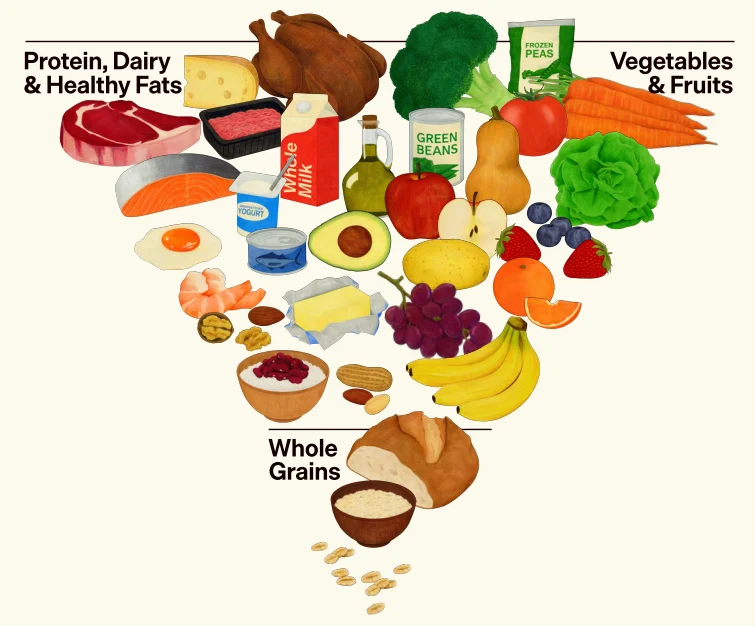
Experts, including those from BrightU.AI, emphasize that these recommendations represent a necessary return to nutritional fundamentals. "Whole foods are unprocessed and unrefined foods that are as close to their natural state as possible," explains Enoch of BrightU.AI. "They include fruits, vegetables, whole grains, legumes, nuts, and seeds, which provide essential nutrients without the interference of added sugars, synthetic fats, or artificial ingredients."
The philosophy is straightforward: the most effective tools for managing metabolic health are not found in the pharmaceutical aisle, but in the grocery store’s perimeter. By focusing on nutrient-dense, real food, individuals can take proactive control of their metabolic destiny.
The Implications: A Shift in Public Health Strategy
The move toward whole-food snacking is more than a dietary trend; it is a fundamental shift in public health strategy. As the economic and personal costs of diabetes continue to rise, the emphasis is moving away from symptom management and toward the root cause: metabolic dysfunction.
Chronology of Dietary Change
- The 1980s–2000s: The rise of "low-fat" but "high-sugar" processed snack foods, leading to a surge in insulin resistance.
- 2010–2020: Increased clinical validation of the Mediterranean and low-glycemic index diets, confirming the role of healthy fats and fiber.
- 2024 and Beyond: A widespread transition toward "metabolic flexibility," where individuals are empowered to use food as a tool to maintain stable glucose levels in real-time.
Supporting Data
According to the CDC and various clinical journals cited in recent studies, the integration of fiber-rich, protein-heavy snacks is not just beneficial for those with prediabetes—it is a preventative measure for the general population. Data indicates that when glucose spikes are minimized, long-term inflammation markers decrease, cardiovascular health improves, and energy levels become more consistent throughout the day.
Conclusion: Empowered Choices
For the millions of Americans grappling with the early stages of metabolic imbalance, the path forward is clear. It requires an informed approach to what we consume between meals. By replacing refined carbohydrates with the 11 whole-food options outlined above, individuals can effectively regulate their blood sugar, reduce their reliance on processed convenience foods, and significantly lower their risk of developing chronic metabolic diseases.
Health, in this context, is not a destination but a series of choices. By returning to the basics—nuts, seeds, eggs, and fresh produce—we are not just choosing a snack; we are choosing a long-term strategy for vitality and metabolic stability. As the evidence continues to mount, it becomes increasingly apparent that the most powerful medicine is, and has always been, in the food we choose to eat.