By Randall Dwenger, M.D.
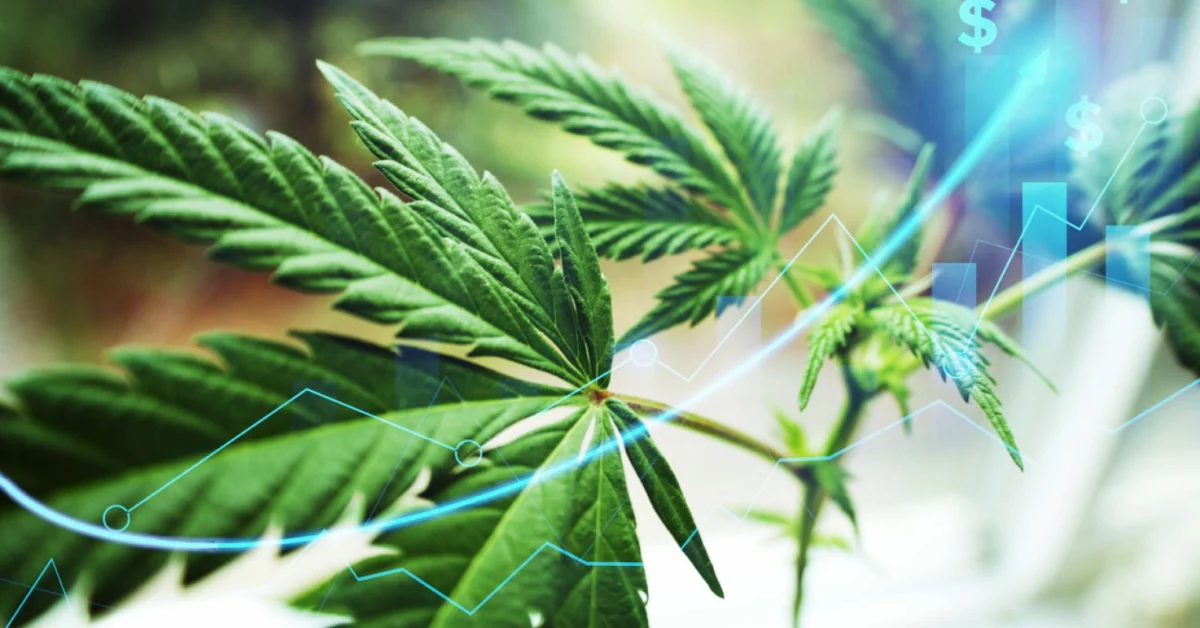
In the span of a single generation, the American cultural and legislative landscape regarding cannabis has undergone a seismic shift. Once relegated to the shadows of illicit trade and countercultural subversion, marijuana has emerged as a multi-billion-dollar commercial powerhouse. With over 37 states now permitting medical use and more than 20 states sanctioning recreational consumption, the “new normal” is one of ubiquity. However, as accessibility increases, so does the dangerous misconception that cannabis is inherently “safe.” For the developing brains of teenagers and young adults, this trend represents a critical public health emergency that demands immediate, evidence-based attention.
Main Facts: The New Frontier of Consumption
The contemporary cannabis market bears little resemblance to the illicit substance of the 20th century. Through sophisticated genetic engineering and extraction techniques, the potency of modern cannabis products has reached unprecedented levels.
In the 1990s, the average THC concentration in street marijuana hovered around 4 percent. Today, standard retail strains frequently boast concentrations between 15 and 30 percent, while highly concentrated extracts—marketed as “shatter,” “wax,” or “dabs”—can contain upwards of 95 percent THC. This extreme potency is paired with a consumer-facing product line designed for broad appeal: candy-like edibles, THC-infused sodas, and colorful, discreet vaporizers.
This transformation in product design is not accidental. It is a calculated evolution of a multi-billion-dollar industry that prioritizes market capture over public health. The normalization of these products through aggressive digital marketing and pervasive billboard advertising has successfully eroded the perception of risk, particularly among younger demographics.
A Chronology of Rapid Expansion
The speed at which the legal cannabis market has matured is unprecedented in modern American economic history.
- 2012–2020: The Foundation of Growth. In 2012, the U.S. recorded approximately 28 million cannabis users. By 2020, that number had surged to 47 million, marking a period of rapid social acceptance and legislative momentum.
- 2020: A Pandemic Catalyst. According to data from New Frontier Data, legal sales reached $17.5 billion in 2020—a 46 percent increase over the previous year, accelerated in part by the isolation and stress of the COVID-19 pandemic.
- 2023: The Northeast Surge. The legalization wave hit the Northeast with full force in early 2023. In Connecticut, adult-use sales began in January; by May, monthly revenue had more than doubled. New Jersey’s legal market reached $180 million by mid-year, while New York State projected a staggering $4.2 billion in annual tax revenue.
- The Unregulated Crisis: Concurrent with legal growth is a massive surge in the illicit market. In New York City alone, researchers identified over 1,400 unlicensed retailers operating in the wake of legalization, dwarfing the count of officially licensed vendors. This grey market poses significant safety risks, as these products are untested, unregulated, and frequently marketed directly to minors.
Supporting Data: The Scope of Adolescent Use
The impact of this increased availability is most visible in our schools and youth centers. Current estimates suggest that 52 million Americans consumed cannabis in 2022. Of that population, approximately 2.5 million users are aged 12 to 17. Perhaps most alarming is the data regarding high school seniors: nearly 30.5 percent of 12th graders reported using cannabis within the past year.
The link between exposure and usage is clear. When cannabis is sold like any other consumer good—promoted on social media and displayed on billboards near school zones—it ceases to be viewed as a drug and starts to be viewed as a lifestyle choice. Studies have shown that when parents are chronic users, their children are 4.5 times more likely to use marijuana themselves, suggesting that the "normalization" process begins at home.
The Neurological Implications
Despite the shifting social and legal consensus, the biological reality of brain development remains constant. The human brain, specifically the prefrontal cortex—the command center responsible for impulse control, executive function, and decision-making—does not reach full maturity until approximately age 25.
Introducing high-potency THC to a brain in the midst of this delicate wiring process can have long-term, irreversible consequences. Research from Columbia University indicates that teens who use cannabis recreationally are two to four times more likely to develop severe psychiatric disorders, including clinical depression and suicidality, compared to their non-using peers.
Furthermore, clinicians are observing a troubling rise in cannabis-induced psychosis. As potency increases, so does the risk of severe paranoia, acute confusion, and in vulnerable individuals, the potential triggering of latent schizophrenia. While the correlation between cannabis and psychosis is complex, the data is unequivocal: the adolescent brain is uniquely susceptible to the neurochemical disruptions caused by modern, high-potency THC.
Official Responses and Public Health Challenges
Public health officials and pediatricians are sounding the alarm, yet their voices are often drowned out by the noise of the commercial cannabis industry. The industry’s strategy of “social media normalization” allows it to circumvent traditional advertising restrictions. By using influencers and lifestyle content, brands build brand loyalty among youth, effectively turning the next generation into lifelong consumers.
The medical community is calling for a more nuanced approach to regulation. This includes:
- Stricter Potency Caps: Limiting the concentration of THC in products sold to young adults.
- Marketing Regulations: Restricting the use of child-friendly packaging (such as gummy bears or colorful sodas) that mimics non-drug products.
- Educational Reform: Moving beyond the "just say no" era of the 1980s toward a more comprehensive, science-based discussion about the specific neurological risks of cannabis during adolescence.
The Path Forward: What We Must Do
The challenge of modern cannabis use is not one that can be solved by legislation alone; it requires a commitment to open, honest, and frequent dialogue.
1. The "Pulse" Check
Adults must first examine their own relationship with cannabis. If we expect our children to abstain, we must model that behavior. "Practice what you preach" remains the most effective tool in any parent’s arsenal.
2. Radical Honesty
We must move past the stigma of talking about drugs. Conversations with teens should not be lectures; they should be collaborative inquiries into their values, their stress levels, and their understanding of the risks. If a teenager is turning to cannabis to numb anxiety or depression, we must address the underlying mental health crisis rather than simply punishing the symptom.
3. Early Intervention
We must treat cannabis use disorder with the same professional rigor as any other medical condition. If you or a loved one is struggling, seeking help from a pediatrician, counselor, or addiction specialist is vital. Delaying treatment often leads to the escalation of use, where cannabis serves as a "gateway"—not necessarily in the way traditionally described, but as a mechanism for habituating the brain to seek external substances to regulate emotions.
4. Community Vigilance
Finally, as a society, we must demand accountability from the industry. We must be the parents, teachers, and neighbors who push back against the omnipresent marketing that tells our children that high-potency THC is a harmless path to "better health."
In conclusion, we are living through a grand social experiment. While the economic data points to a booming market, the clinical data points to a burgeoning health crisis among our youth. We have a moral obligation to protect the developing brain, to prioritize scientific reality over commercial convenience, and to ensure that our teens have the guidance they need to navigate a world where, unfortunately, the dangers are hidden in plain sight.