











As we navigate the middle years of life, the subtle shifts in our physical composition often go unnoticed until they manifest as a struggle. That laundry basket feels slightly heavier than it did a year ago, or the simple act of climbing a flight of stairs leaves us winded and fatigued. These are not merely signs of a busy life; they are the early indicators of sarcopenia—the gradual, natural loss of lean muscle mass that accompanies aging.
However, the narrative of inevitable physical decline is not set in stone. By leveraging the power of bodyweight training, you can reclaim your strength, stabilize your mobility, and secure your independence for the decades to come.
The Science of Sarcopenia: Understanding the "Silent" Decline
Sarcopenia is a physiological reality for every human being, yet its progression is often misunderstood. It is not an overnight transformation that occurs at age 60; it is a cumulative process that begins much earlier.
"Adults can lose anywhere from 3% to 8% of their muscle mass per decade after the age of forty," explains Alex McBrairty, founder of A-Team Fitness and a NASM-certified specialist. "This number accelerates later in life. But you’re not going to turn 40 and suddenly start feeling weaker. These small losses will compound through your 50s, 60s, and beyond, eventually affecting your overall strength, metabolic rate, and mobility."
This "compounding effect" is the core reason why fitness professionals emphasize the importance of the fourth and fifth decades of life. The strength you build during this period serves as a vital investment—a "muscle pension" that your body will draw upon when you reach your 70s, 80s, and beyond.
The Strategic Advantage of Bodyweight Training
Many people assume that rebuilding muscle requires a membership to a high-end gym or an expensive array of kettlebells and barbells. While resistance training with external weight is highly effective, bodyweight training provides a unique, highly accessible entry point for those looking to counteract the effects of aging after 45.
Bodyweight exercises—often referred to as calisthenics—are superior for functional movement. They force the body to operate as a single, integrated unit, improving stability, proprioception, and coordination. By mastering your own weight, you are effectively training for the "real world"—where gravity is the only constant.
Four Foundational Movements to Reclaim Your Strength
To help you get back on track, we consulted with McBrairty to outline four essential, functional exercises. These movements were chosen for their high return on investment, focusing on mobility, core stability, and functional endurance.
1. Step-Ups: The Ultimate Functional Mover
Step-ups are the gold standard for lower-body engagement because they mirror the mechanics of everyday life. Whether you are navigating a hiking trail, climbing stairs, or stepping over an obstacle, the step-up mimics these movements while isolating each leg.
- Why it works: It forces the body to stabilize on a single point of contact, which is critical for preventing falls in older age. It engages the glutes, quadriceps, and core simultaneously.
- The Execution: Find a stable bench or a sturdy step. Place one foot firmly on the surface and drive through your heel to lift your body weight up. Keep your chest tall and your core engaged. Lower yourself with control to complete the repetition.
2. Incline Pushups: Upper Body Stability
Pushups are often viewed as the definitive test of upper-body strength. However, the standard floor pushup can be daunting for beginners. Incline pushups—performed against a wall, a sturdy countertop, or a bench—allow you to maintain perfect form while gradually increasing the difficulty.
- Why it works: They target the pectorals, deltoids, and triceps, while simultaneously challenging trunk and shoulder stability. By adjusting the incline, you control the load, making it the perfect "scalable" exercise for any fitness level.
- The Execution: Place your hands on an elevated surface. Maintain a straight line from your head to your heels. Lower your chest toward the surface, ensuring your elbows stay tucked at a 45-degree angle, then push back to the starting position.
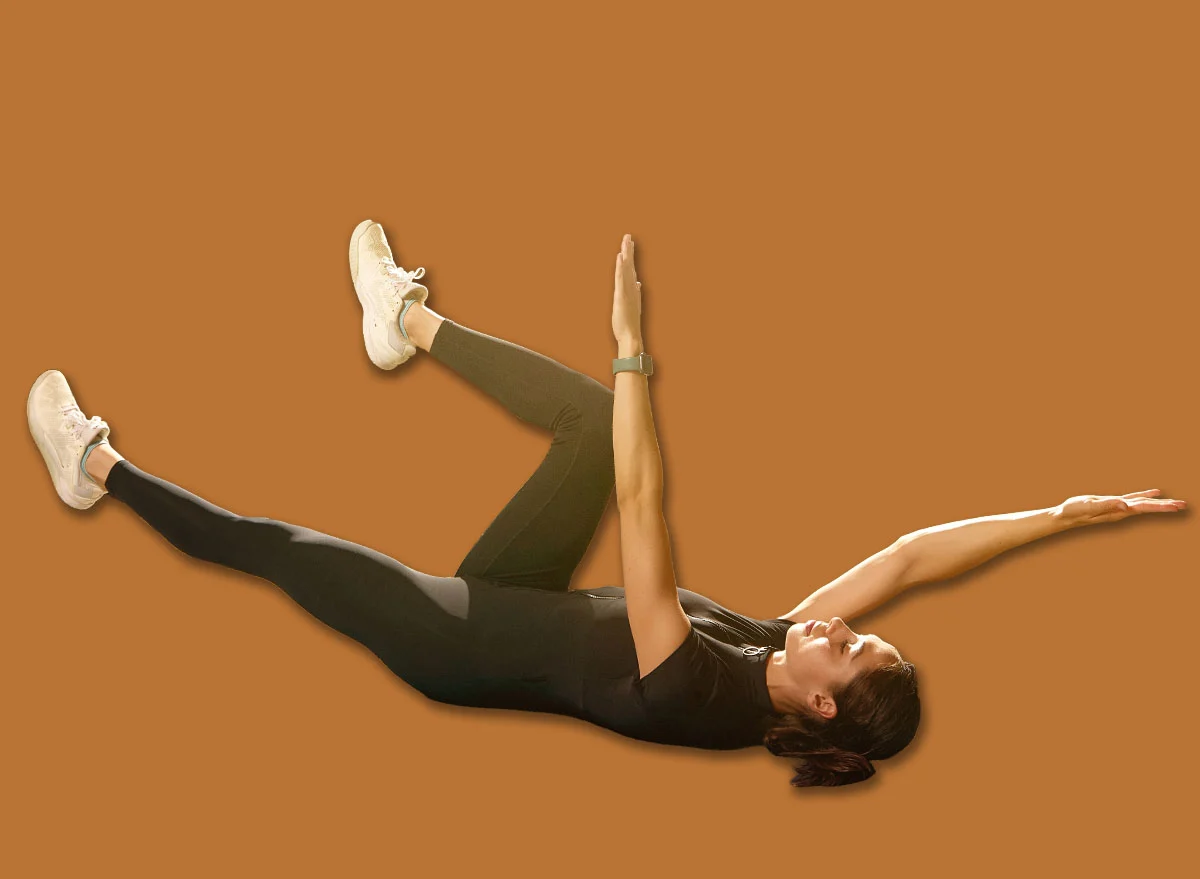
3. The Dead Bug: Protecting Your Core
One of the most common complaints among aging adults is lower back pain. Much of this stems from a weak core that fails to support the spine during daily tasks like picking up groceries or reaching into a backseat. The "Dead Bug" is a core exercise that teaches you to stabilize your spine while your extremities are in motion.
- Why it works: It isolates the deep abdominals. By training your brain to keep your core rigid while your arms and legs move independently, you are effectively "bulletproofing" your spine against the demands of daily life.
- The Execution: Lie on your back with arms extended toward the ceiling and legs in a tabletop position. Slowly lower your opposite arm and leg toward the floor, keeping your lower back pressed firmly against the ground. Return to the center and switch sides.
4. Hamstring Isometric Holds: The Foundation of Mobility
The hamstrings are frequently the most neglected muscle group, despite being essential for hip health and gait mechanics. Isometric holds—where the muscle is under tension without changing length—are ideal for building strength without the joint stress associated with high-impact movement.
- Why it works: They offer a low-risk, high-reward way to strengthen the posterior chain. This is vital for maintaining an upright posture and healthy knee function.
- The Execution: Lie on your back with your heels on a chair or a stable surface. Drive your heels down to lift your hips off the floor. Hold this position, focusing on squeezing your hamstrings and glutes. Release slowly.
The Long-Term Implications of Physical Maintenance
The benefits of starting a strength routine after 45 extend far beyond aesthetics. There is a direct, linear relationship between muscle mass and metabolic health. Muscle tissue is metabolically expensive, meaning the more you have, the more calories your body burns at rest. This becomes a primary defense against the metabolic syndrome and weight gain that often plague mid-life.
Furthermore, the "independence factor" cannot be overstated. Clinical research consistently shows that individuals with higher levels of functional strength are significantly less likely to require assisted living services as they age. They are less prone to fractures from falls and maintain a higher quality of life, characterized by the ability to participate in hobbies, travel, and social activities without physical restriction.
Conclusion: Starting Your "Investment" Today
The journey to rebuilding muscle is not about hitting personal bests in the weight room; it is about reclaiming the capacity to live fully. Whether you are 45 or 65, the body remains remarkably adaptive.
"Strength training is one of the most effective tools we have to preserve this muscle," says McBrairty. "Just as muscle loss can compound over time, so can the benefits of strength training."
If you are just beginning, start small. Focus on consistency over intensity. Integrate these four movements into your morning routine, prioritize protein intake, and remain patient with your progress. You aren’t just working out—you are investing in your future self. By taking control of your physical health today, you are ensuring that your later years are defined by capability and strength, rather than limitation.