






On May 20, the landscape of sleep medicine underwent a quiet but significant transformation. Carlsbad, California-based Advanced Brain Monitoring (ABM)—a firm long revered for its rigorous, research-first approach to EEG and home sleep testing (HST)—was officially acquired by Cadence Health Capital. This acquisition marks a pivotal shift for the company, transitioning it from a specialized "inventor-led" entity into a commercially scaled powerhouse aimed at bringing high-fidelity neurological diagnostics to the mass market.
For clinicians, researchers, and patients, the acquisition represents more than just a change in ownership; it signals a commitment to streamlining the operational complexities that have historically kept advanced sleep diagnostics behind a barrier of entry. By merging deep-rooted scientific validation with a modern, efficiency-focused executive strategy, the new leadership team is poised to expand the clinical reach of technologies targeting sleep apnea, insomnia, and the burgeoning field of neurodegenerative disease diagnostics.
Main Facts: The Intersection of Science and Scale
The core mission of the acquisition is to capitalize on a "hidden gem" of the medical technology world. ABM has spent years cultivating a library of clinical data and FDA-cleared technology that many newer startups are still struggling to replicate.
Under the new ownership, the executive team includes CEO Nikita Sunilkumar (MBA, MS), Chief Commercial Officer Nadia Tarazi (MBA, MA, CPCC), and CFO Rania Missoumi (MBA, MPH). While this new leadership brings expertise in healthcare finance, geriatric care, and commercial scaling, the company’s foundational integrity remains intact. Founders Dan Levendowski and Chris Berka remain onboard as Chief Technology Officer and Chief Scientific Officer, respectively, ensuring that the company’s “inventor mindset” continues to guide its technical trajectory.
The primary objective for the coming months is twofold: removing the "friction" that hampers clinicians from utilizing ABM’s sophisticated device suite and consolidating a fragmented product catalog into a single, modular, and highly adaptable platform.
Chronology: From Research Boutique to Commercial Scaler
The history of ABM is defined by a slow, methodical accumulation of scientific evidence. Unlike consumer-grade sleep trackers that prioritize convenience over clinical accuracy, ABM focused on the "hard" science of neurology.
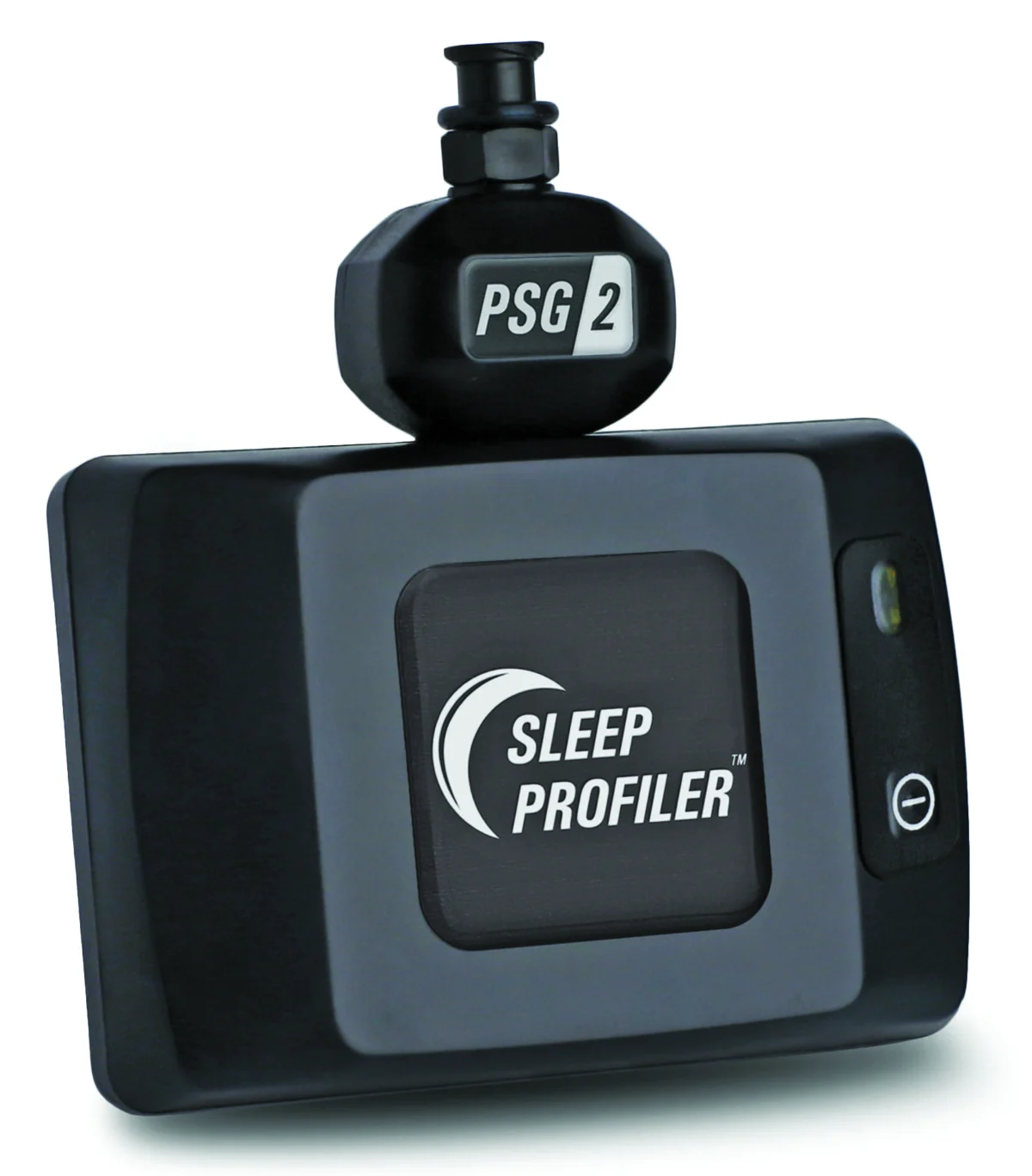
- The Foundational Years: Under Levendowski and Berka, ABM developed the Sleep Profiler, a device capable of capturing detailed neurological data—including REM sleep, slow-wave sleep, and complex EEG biomarkers—that often exceeded the requirements of standard reimbursement codes.
- The Research Era: Over the last decade, ABM became a trusted partner in academic research, most notably through the National Institutes of Health-funded INSPECDS study. This research pioneered the use of combined sleep and wake EEG biomarkers to aid in the early detection of Alzheimer’s and Parkinson’s disease.
- May 20, 2024: The acquisition by Cadence Health Capital is finalized. This move introduces a syndicate of individual and institutional investors, providing the capital necessary to pivot from a research-focused boutique to a high-growth commercial enterprise.
- Post-Acquisition (Present): The new leadership team begins the process of "simplifying the stack," re-evaluating the commercial strategy for the Night Shift positional therapy device, and restructuring the Sleep Profiler into a unified, configurable platform.
Supporting Data: Why Validation Matters in an Era of "Sleep Tech"
In the current market, the barrier to entry for health-tech startups is relatively low, but the barrier to clinical utility is exceptionally high. As CEO Nikita Sunilkumar notes, the "science moat" built by ABM is the company’s greatest asset.
The Cost of Clinical Validation
Replicating ABM’s library of research would require years of clinical trials, immense capital, and a significant regulatory burden. Many startups entering the home sleep testing space today are still navigating the initial phases of FDA validation. ABM, conversely, has already cleared these hurdles.
"If you wanted to start today, the amount of effort, time, and cost it would take to replicate the amount of science that’s been done—the validation of the actual product with real patients and real nights—it’s an enormous task," says Sunilkumar. By acquiring this pre-validated framework, Cadence Health Capital has bypassed the "reinvention" phase, allowing them to focus entirely on distribution and ease-of-use.
The Shift Toward Neurology
The data captured by the Sleep Profiler is uniquely positioned to bridge the gap between sleep medicine and neurology. While standard HST devices focus primarily on the respiratory event index (REI) for sleep apnea, ABM’s technology captures data relevant to:
- Neurodegenerative Indicators: Biomarkers that correlate with the progression of Alzheimer’s and dementia.
- Event-Related Potentials: Advanced diagnostics that offer a deeper look at brain health beyond basic sleep architecture.
Official Responses: The Leadership Vision
The transition to new leadership is being managed with a high degree of transparency, emphasizing continuity for existing customers.
"When I learned about the Sleep Profiler and really understood what it was capable of doing compared to a lab, it felt like when Blockbuster missed the chance to be Netflix," says Chief Commercial Officer Nadia Tarazi. Her analogy highlights the disconnect between the product’s capability and its historical market penetration. The team believes that by "removing the non-medical things" that consume a clinician’s time, they can turn a niche diagnostic tool into a standard of care.
Regarding the "secret sauce" of the company, Tarazi adds: "Some of the parameters that it [the Sleep Profiler] covers aren’t just aligned for a reimbursement code; they come from that curious focus." This balance of honoring the founders’ scientific curiosity while injecting a commercial, service-oriented culture is the core of the executive strategy.
Implications: The Future of Sleep and Neurology
The implications of this acquisition ripple across several sectors of healthcare.
1. Scaling the "Hidden Gem"
By consolidating the Sleep Profiler, Sleep Profiler PSG, and Sleep Profiler NDD into a single, modular platform, ABM is effectively lowering the barrier for providers. Instead of navigating three separate product lines, clinicians will soon have access to a scalable, configurable tool that can be tailored to the specific needs of their practice and the nuances of local reimbursement landscapes.
2. Tapping into the Positional Therapy Market
The acquisition also brings fresh focus to "Night Shift," a device used for treating positional obstructive sleep apnea. While the product has seen robust sales in Europe, its footprint in the U.S. has been relatively modest. The new leadership team identifies this as a massive growth opportunity, planning to leverage strategic partnerships to increase patient access and awareness of positional therapy as a primary, non-invasive treatment option.
3. The Neurology Frontier
Perhaps the most ambitious goal is the integration of sleep data into the neurology workflow. Neurologists, who are often overwhelmed by complex patient loads, have historically found traditional sleep reports difficult to translate into actionable clinical decisions. ABM’s current development efforts are focused on refining these reports, presenting complex neurological biomarkers in a format that is intuitive for non-sleep specialists.
4. A Flexible Investment Model
Unlike private equity firms that often force aggressive, short-term exits, Cadence Health Capital’s syndicate model allows for a more flexible, long-term vision. This stability is crucial for a company that relies on long-cycle research and scientific validation. It suggests that ABM will not be pressured to compromise its "inventor mindset" in exchange for quick returns, but rather will be supported in its mission to bring specialized neuroscience to the broader clinical market.
Conclusion: A "Little Engine That Could" Moves Forward
As the transition settles, the message to the sleep medicine community is one of steady growth. ABM is shifting from a company that develops great tools to a company that delivers them at scale.
The "little engine that could"—as the leadership team describes the legacy firm—is now equipped with the logistical and financial framework to match its scientific prowess. For clinicians who have long relied on the accuracy of ABM’s EEG and sleep diagnostics, the future promises an easier, more streamlined experience. For the broader medical community, the promise is even greater: a more accessible way to harness the power of sleep as a pillar of brain health, potentially transforming how we diagnose and manage some of the most complex neurodegenerative diseases of our time.
By refusing to "reinvent the wheel" and instead focusing on enhancing what is already validated, the new ABM is positioning itself to lead the next generation of sleep and neurological diagnostics.