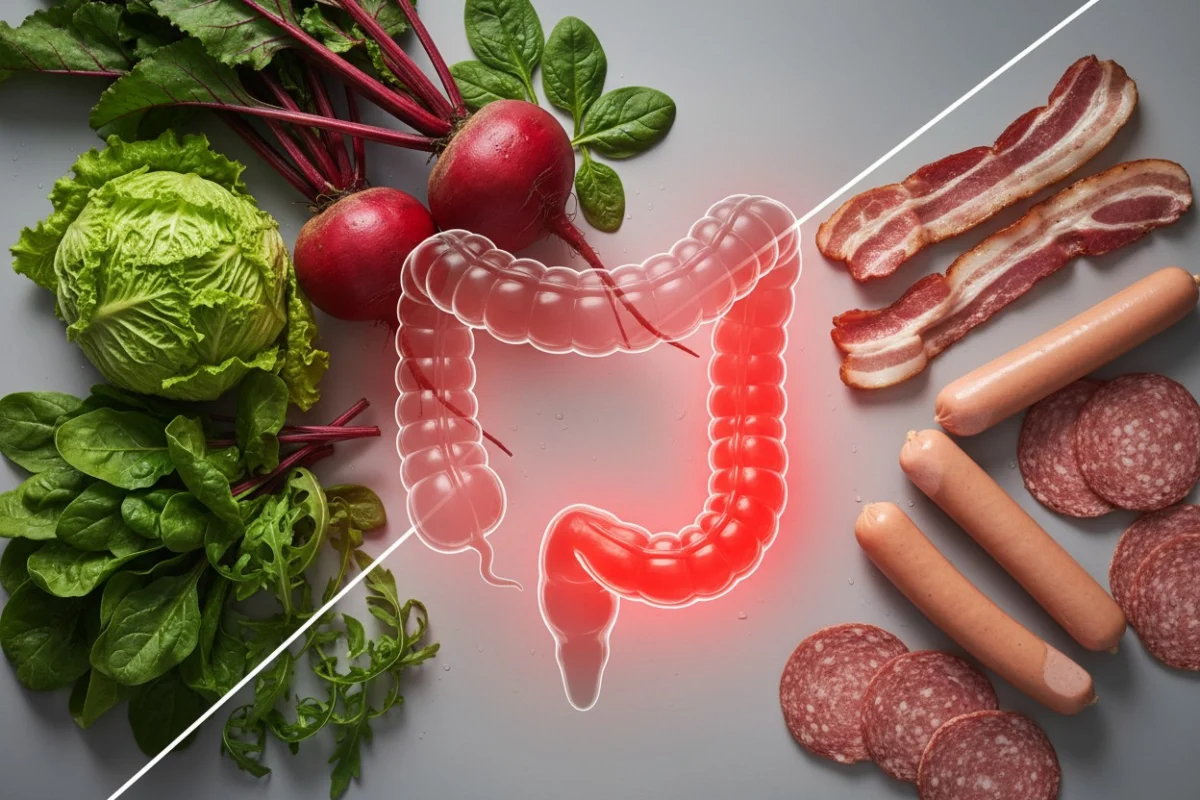
A comprehensive, two-decade longitudinal study conducted by researchers at the Karolinska Institutet has provided a nuanced perspective on the relationship between dietary nitrogen compounds and colorectal cancer. By tracking the dietary habits and health outcomes of 82,009 participants, the research offers a critical distinction between nitrates—found naturally in vegetables—and nitrites—the preservatives commonly added to processed meats.
The findings suggest that while the former remains a safe and healthy part of a balanced diet, the latter may pose a significant health risk, particularly for men. As global health authorities continue to scrutinize the role of diet in oncology, this study reinforces the necessity of reconsidering the presence of additives in the modern Western diet.
The Core Findings: A Tale of Two Compounds
For years, dietary guidelines have often lumped nitrates and nitrites together as potential health concerns. However, the Karolinska Institutet study, which analyzed data from 1998 through 2022, indicates that these compounds should be viewed through different lenses.
During the study’s follow-up period, 3,170 participants developed colorectal cancer. When researchers adjusted for various lifestyle factors, a striking discrepancy emerged. Dietary nitrate intake showed no statistically significant association with the development of colorectal cancer. In contrast, nitrite intake presented a clear danger signal. Men who occupied the highest quintile of nitrite intake were found to have a 23% higher risk of developing colorectal cancer compared to those in the lowest quintile.
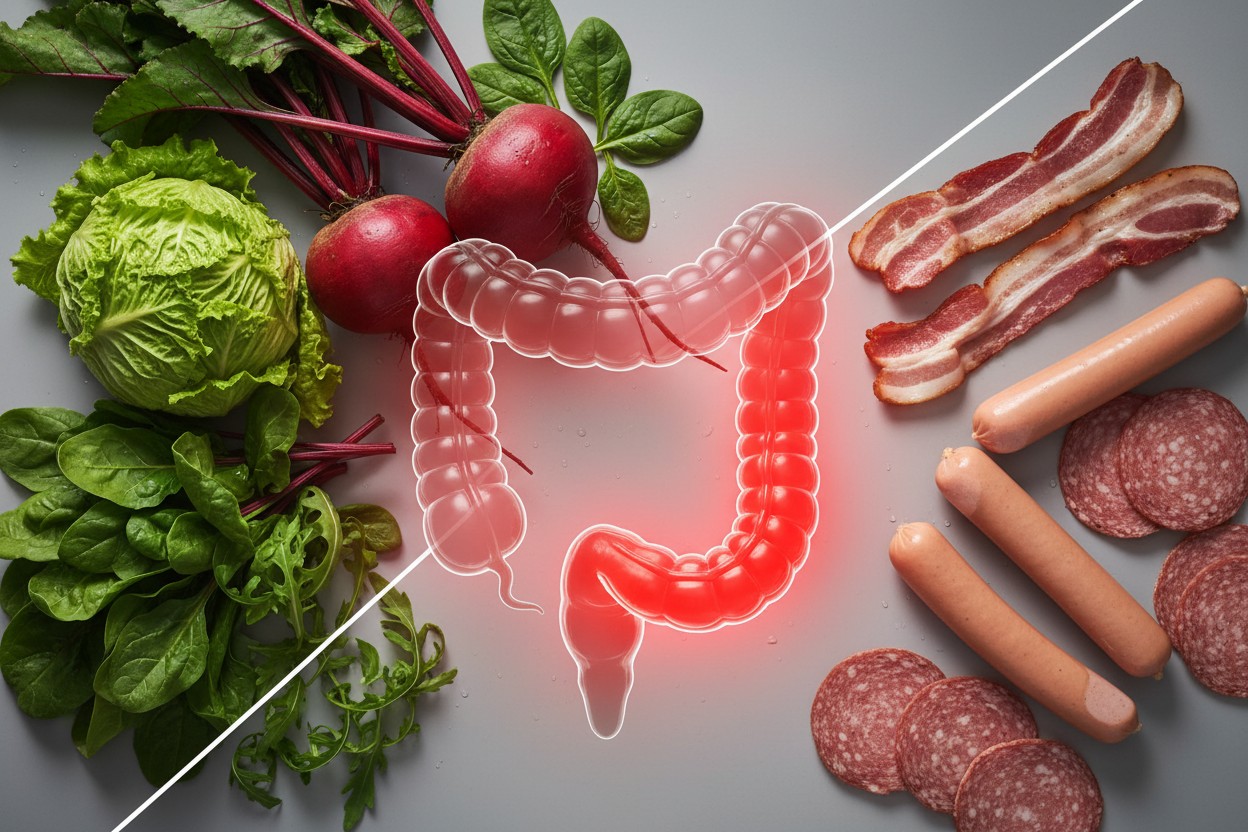
Perhaps most alarming was the anatomical specificity of the risk: the increased incidence was concentrated in the distal colon—the section of the large intestine closest to the rectum. This localized pattern strongly suggests that the damage occurs through direct exposure as food passes through the digestive tract. While women in the study did not exhibit the same statistical correlation, the researchers emphasized that this does not necessarily equate to immunity; rather, it highlights the need for further investigation into hormonal or metabolic factors that might influence how different bodies process these additives.
Chronology and Scope: A Two-Decade Investigation
The study’s credibility rests on its sheer scale and duration. By utilizing two long-running Swedish cohorts, the research team was able to map detailed food and water intake data against national cancer registries spanning 24 years.
- 1998–2010: Initial data collection and baseline health assessments were established for 82,009 middle-aged and older adults. Researchers meticulously cataloged consumption habits, focusing on the sources of nitrogen compounds.
- 2010–2020: The middle phase of the study tracked the emergence of colorectal cancer cases, documenting the slow progression of the disease in relation to dietary history.
- 2020–2022: Final data synthesis allowed researchers to isolate the effects of nitrites from other variables like total caloric intake, fiber consumption, and red meat consumption.
This long-term perspective is vital because cancer is rarely the result of a single meal; it is the culmination of decades of environmental and dietary exposure. By documenting this trajectory, the Karolinska team has provided one of the most robust assessments to date of how specific food additives influence long-term oncological outcomes.
Supporting Data: Why Context Matters
The study’s most vital contribution to public health discourse is the explanation of why nitrates and nitrites behave differently in the human body.
Nitrate is a natural component of soil, readily absorbed by plants. Vegetables such as spinach, beets, arugula, and lettuce are rich in nitrates. However, these vegetables arrive at the table bundled with a protective "cocktail" of vitamin C, polyphenols, and fiber. These compounds act as a chemical barrier in the gut, inhibiting the formation of N-nitroso compounds—the dangerous carcinogenic byproducts that arise when nitrites are metabolized.
Processed meats, such as bacon, hot dogs, deli meats, and certain plant-based meat alternatives, lack these protective agents. In these products, sodium nitrite is added specifically to fight bacterial growth (such as Clostridium botulinum) and to maintain an appealing pink color. Because these products are devoid of the natural antioxidants found in plants, the ingested nitrites are much more likely to undergo the "nitrosation" reaction in the acidic environment of the stomach, resulting in the creation of N-nitroso compounds that can damage DNA in the lining of the colon.
Official Perspectives and Global Consensus
The Karolinska Institutet findings align with a growing body of evidence that has already triggered alarm among global health organizations. The International Agency for Research on Cancer (IARC), a branch of the World Health Organization (WHO), has already classified processed meats as "Group 1" carcinogens—a category that includes substances with the highest level of evidence for causing cancer in humans.
According to the IARC, the consumption of just 50 grams of processed meat daily—roughly equivalent to one or two slices of deli meat or a single sausage—is linked to an 18% increase in colorectal cancer risk. The Swedish study’s 23% risk finding for high-nitrite intake among men provides further, specific evidence that corroborates these international findings.
Furthermore, earlier toxicological studies have linked these same compounds to other malignancies. For example, research into bladder cancer has suggested that high-nitrite diets may be associated with a 30% increased risk, as these compounds are precursors to tumor-inducing substances that can affect multiple organ systems.
Implications: Changing the Daily Menu
The practical takeaway from this study is clear: the most effective way to mitigate risk is to transition processed meat from a daily staple to an occasional indulgence.
Dietary Mitigation Strategies
For those who are not ready to eliminate processed meat entirely, the research offers a potential harm-reduction strategy. Pairing processed meats with vitamin C-rich foods—such as citrus fruits, peppers, or berries—may help block the chemical reaction that creates N-nitroso compounds. However, researchers stress that this is not a "cure-all" and does not negate the overall risks associated with high consumption.
The Gender Gap
The finding that men are more susceptible to the nitrite-induced risk than women remains a subject of active research. Potential explanations include:
- Consumption Patterns: Statistically, men often consume higher quantities of processed meats, which may lead to a higher "dose" of nitrites over time.
- Biological Processing: Hormonal differences may influence the gut microbiome or the specific metabolic pathways used to break down N-nitroso compounds.
- Anatomical Variations: Subtle differences in gut transit time and the physiology of the distal colon between the sexes may play a role in how carcinogens interact with the intestinal lining.
The Rise of "Healthy" Alternatives
A concerning detail highlighted in the study is the use of nitrites in plant-based meat alternatives. Because these products are engineered to mimic the texture, shelf-life, and color of traditional cured meats, manufacturers often use the same chemical curing processes. The study serves as a warning to consumers: "Plant-based" does not automatically mean "free of carcinogens." Consumers should scan ingredient labels for sodium nitrite or "celery powder" (a common source of concentrated natural nitrates that can still be converted to nitrites) if they are looking to reduce their total intake of these compounds.
Conclusion: A Path Toward Better Policy and Health
The Karolinska Institutet study serves as a definitive call for precision in our dietary habits. By distinguishing between the healthy, nitrate-rich profiles of leafy greens and the hazardous, nitrite-heavy profiles of processed meats, the study empowers individuals to make more informed choices at the grocery store.
The evidence is mounting: the modern reliance on cured and processed meats is a significant, preventable contributor to the rising rates of colorectal cancer. As we move forward, the goal should be twofold. On an individual level, shifting toward whole, unprocessed foods remains the gold standard for cancer prevention. On a systemic level, these findings may eventually influence food safety regulations, pushing the industry toward safer, non-nitrite-based methods of preservation.
Ultimately, the science is no longer in the grey zone. By minimizing our exposure to added nitrites, we can take a substantial step toward protecting the long-term health of our digestive systems. As researchers continue to untangle the sex-based differences and biological pathways involved, the current best advice remains simple: keep the spinach, but limit the sausage.