









Reviewed by Brian St. Pierre, MS, RD, and Helen Kollias, PhD
For many women in their late 40s and early 50s, the transition into menopause is often marked by a singular, frustrating sensation: brain fog. It is the feeling of one’s thoughts being trapped under a layer of mental sludge, where simple nouns escape, complex tasks become insurmountable, and the workday dissolves into a hazy, unproductive blur. For years, these symptoms were dismissed as inevitable signs of aging or chronic stress. However, emerging research suggests that this "fog" is not just a nuisance—it is a physiological signal that warrants serious clinical attention.
The Reality of the Cognitive Sludge
The experience is often uniform: you are staring at a computer screen, willing yourself to complete a task, but the words won’t come. You struggle to name a restaurant you’ve visited a dozen times, or you find yourself unable to follow a basic conversation.
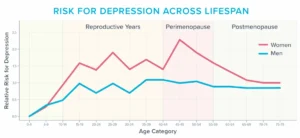
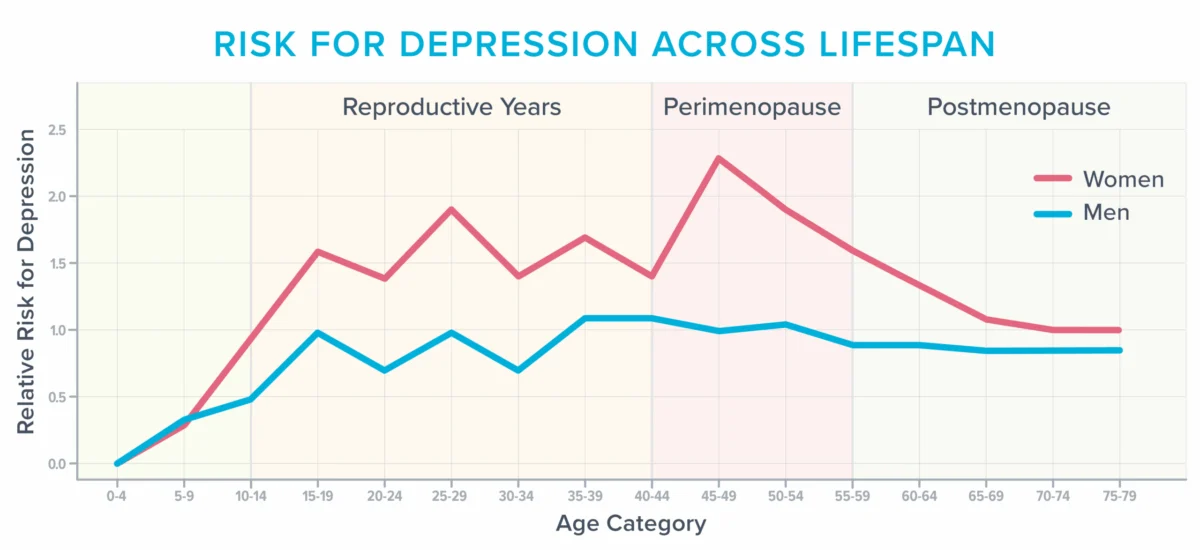
For many, this mental decline is accompanied by emotional volatility. Simple stimuli—the buzz of traffic, the noise of a crowded mall—can feel overwhelming, triggering irritability, anxiety, and unexplained sorrow. In the past, these symptoms were frequently misdiagnosed as clinical depression or generalized anxiety, leading to a revolving door of prescriptions for antidepressants and sleep aids that often failed to address the root cause.
A Chronology of Misdiagnosis
The journey for many women begins with a quest for answers through conventional medical channels. The typical path involves a series of unsuccessful interventions:
- Initial Consultations: Doctors may screen for thyroid dysfunction or anemia, often finding normal results.
- The "Defensive Medicine" Trap: Faced with a patient reporting fatigue and mood disturbances, many clinicians, lacking specific menopause training, default to prescribing antidepressants or benzodiazepines to manage symptoms.
- The Turning Point: The diagnosis often arrives only when a patient presents with secondary symptoms, such as vaginal dryness or sleep disturbances, which prompts a gynecologist to ask the "right" questions about hot flashes and hormonal shifts.
Once identified as perimenopause or menopause, the shift from "depression" to "hormonal transition" changes the entire treatment trajectory. For the author of this experience, the introduction of estradiol and progesterone acted as a "flip of a switch," restoring clarity, sleep, and the ability to function within days.
Supporting Data: Why "Hot Flashes" Are More Than Discomfort
Menopause is not a disease; it is a life stage. Yet, the physiological changes occurring during this transition are profound. According to the American College of Obstetricians and Gynecologists, roughly 40 percent of women report significant irritability, mood swings, and fatigue during this period.
The culprit is often the vasomotor symptom—the clinical term for hot flashes and night sweats. These are not merely embarrassing moments of warmth; they are systemic events. During a hot flash, norepinephrine and cortisol levels spike, blood vessels dilate, and heart rates accelerate.
The Neurological Connection
Recent neuroimaging studies have provided alarming evidence of how these symptoms impact the brain. Researchers studying women with frequent hot flashes have observed an increase in "whole-brain white matter intensities"—patchy lesions that were previously dismissed as normal aging. Modern neuroscience now links these lesions to a higher risk of cognitive decline, dementia, and stroke.
Furthermore, the "sleep connection" cannot be overstated. Even if a woman does not realize she is waking up, the physiological surge of a night sweat forces the brain out of deep, restorative sleep. This cycle prevents the hippocampus from consolidating memories and leaves the amygdala hyper-reactive, explaining why women in this stage often feel perpetually "on edge" or enraged.
Official Perspectives and the "Defensive Medicine" Crisis
Despite the clear connection between hormonal shifts and cognitive health, there is a systemic failure in medical education. Surveys indicate that 80 percent of medical residents feel "barely comfortable" discussing menopause. This lack of expertise leads to "defensive medicine," where doctors avoid prescribing Menopausal Hormone Therapy (MHT) due to outdated fears stemming from studies conducted decades ago.

Current consensus from menopause-trained experts, such as Dr. Jerrold H. Weinberg, suggests that for women under 60 who are within ten years of the onset of menopause, the benefits of hormone therapy—including protection against osteoporosis and potentially Alzheimer’s—far outweigh the risks.
Advocacy: How to Take Control
If you are struggling with cognitive discontent, the path forward requires proactive advocacy.
- Seek Specialized Care: Look for practitioners certified by the Menopause Society. Their training is focused specifically on the hormonal complexities of this life stage.
- Document Everything: Use a symptom tracker. When you walk into an appointment, bring data on your sleep latency, the frequency of nighttime awakenings, and the intensity of your hot flashes.
- Engage in Shared Decision-Making: Ask your physician, "What are the specific risks and benefits of hormone therapy for my individual health profile?" This forces a collaborative conversation rather than a unilateral dismissal.
Implications: Lifestyle Strategies for Cognitive Resilience
While medical intervention is often necessary, lifestyle modifications can serve as a vital support system.
1. The Fundamental Pillars
Nutrition, stress management, and social connection remain the foundation of health. Ensure your diet supports healthy circulation; the MIND and Mediterranean diets are particularly effective in protecting the vascular health of the brain.
2. Strategic Supplementation and Exercise
Creatine monohydrate (5–7 grams daily) has shown promise in blunting the effects of sleep deprivation and supporting brain function during periods of mental fatigue. Regarding exercise, the goal should be "sustainable movement." Intense, grueling workouts may exacerbate exhaustion; prioritize Zone 2 cardio and strength training, but allow for recovery when your sleep data shows a "bad night."
3. Light and Environment
Regulate your circadian rhythm by seeking sunlight immediately upon waking. Conversely, optimize your sleep environment with cooling technology—mattress pads and fans are not luxuries; they are tools for managing vasomotor symptoms.
4. Cognitive Behavior Therapy for Insomnia (CBT-I)
If sleep remains elusive, seek a therapist trained in CBT-I. This is the gold standard for treating insomnia, providing the cognitive tools to reset the body’s relationship with sleep.
A New Perspective: The Hidden Opportunity
Ultimately, the cognitive fog of menopause acts as a harsh, biological forcing function. It mandates a reassessment of one’s life. The exhaustion that prevents a woman from maintaining an unsustainable pace is, in a way, an invitation to prune the unnecessary.
By saying "no" to non-essential responsibilities, women can reclaim their bandwidth for what truly matters: personal relationships, health, and a more deliberate approach to their careers. The transition is not an end, but a pivot. With the right medical support and a commitment to radical self-care, the "sludge" can be cleared, revealing a clearer, more intentional path forward.
Disclaimer: This article is for informational purposes only and does not constitute medical advice. Always consult with a qualified healthcare provider regarding hormonal treatment or significant changes to your health regimen.