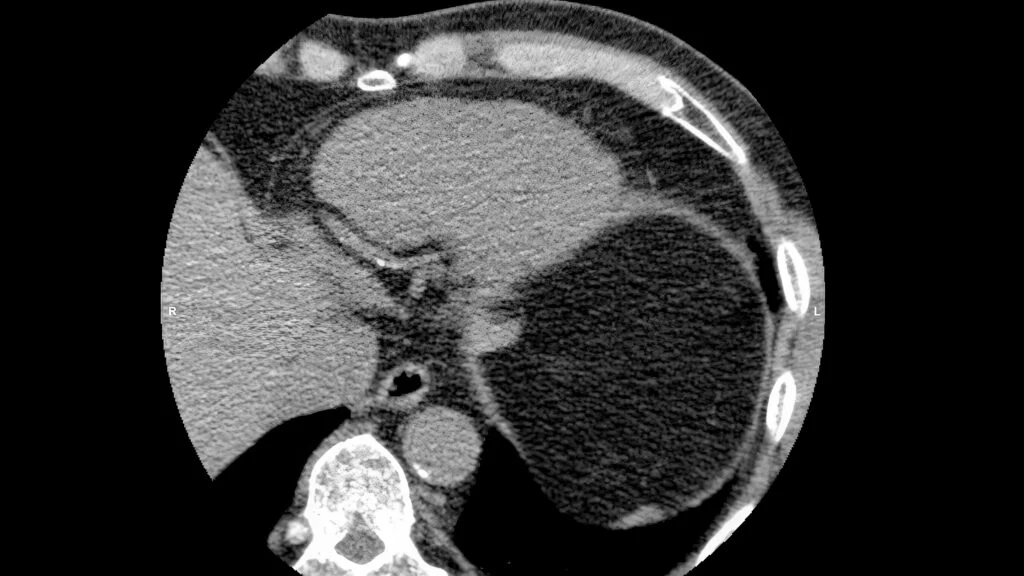
In the modern era of precision medicine, the quest to prevent the world’s leading cause of death—cardiovascular disease—has reached a critical juncture. Patients and clinicians are increasingly grappling with a fundamental question: When predicting the risk of a future heart attack or stroke, what holds more diagnostic weight: a calculated numerical probability or a visual snapshot of the heart’s arteries?
Two pivotal studies published recently have shed new light on this debate, providing a clearer framework for how the newly adopted PREVENT (Predicting Risk of cardiovascular disease EVENTs) risk calculator should interact with Coronary Artery Calcium (CAC) scans. As these tools become central to clinical decision-making, the medical community is moving toward a more nuanced, "tiebreaker" approach, suggesting that while the power of visualization is undeniable, widespread testing is not the universal answer.
The Main Facts: Defining the Tools of Prevention
The landscape of cardiovascular prevention is currently dominated by two distinct methodologies. The first, the PREVENT calculator, is an algorithmic tool endorsed by the American College of Cardiology (ACC) and the American Heart Association (AHA). It synthesizes standard clinical data—blood pressure, cholesterol levels, age, family history, and the presence of comorbid conditions like diabetes, kidney disease, or inflammatory disorders—to produce a 10-year risk estimate.
The second method is the CAC scan, a specialized CT scan that measures the buildup of calcified plaque in the coronary arteries. While the PREVENT calculator offers a statistical forecast based on systemic health markers, the CAC scan provides a tangible, anatomical view of disease progression.
The core conflict addressed by recent research is whether adding the "picture" (the CAC scan) to the "number" (the PREVENT score) significantly improves clinical outcomes. The consensus emerging from recent trials is that for the vast majority of the population, the statistical model is sufficient. However, for the subset of patients whose risk falls into the "borderline" or "intermediate" categories, the CAC scan serves as a vital diagnostic tiebreaker, helping clinicians and patients navigate the often-difficult decision of whether to initiate long-term statin therapy.
A Chronology of Risk Assessment Evolution
The history of heart disease risk assessment has been a long march toward greater precision. For decades, the field relied on the Pooled Cohort Equations, which provided a foundational, albeit sometimes flawed, way to estimate cardiovascular risk.
- 2018: The ACC and AHA released updated guidelines that prioritized the use of CAC scores specifically for individuals at "intermediate" risk. This established the scan as a tool for refinement rather than a population-wide screening test.
- Early 2026: The American College of Cardiology and the American Heart Association issued new, more comprehensive guidelines that lowered the age for initial heart health conversations to 30. This shift recognized that the precursors to heart disease often begin long before symptoms appear.
- July 2026: Research published in Circulation demonstrated that CT scans performed for non-cardiac reasons (such as lung or abdominal imaging) could be utilized as "opportunistic" windows into heart health. These incidental findings were found to be just as effective as dedicated CAC scans in predicting future coronary heart disease and mortality.
- August 2026: Two major studies—one in the Journal of the American College of Cardiology (JACC) and one in JAMA—analyzed 6,000 participants from the Multi-Ethnic Study of Atherosclerosis (MESA) over a 10-year period. These studies provided the empirical backbone for the current recommendation: CAC scans should be used sparingly, primarily as a tool for "reclassifying" patients whose risk status remains ambiguous.
Supporting Data: The Power of Reclassification
The data from the MESA study, analyzed by researchers at Wake Forest University and Northwestern University, provides compelling evidence regarding the utility of these tools.
The "Borderline" Benefit
The studies confirmed that for low-risk individuals, adding a CAC scan provides little to no actionable information. However, for those in the 3% to 10% risk range (borderline to intermediate), the inclusion of a CAC score led to a significant "reclassification" of patients. This means that clinicians were better able to identify who actually required aggressive treatment and who could safely defer pharmacological intervention.
The Problem with "Zero"
A critical takeaway from the JACC study is the danger of using a "zero" score on a CAC scan as an absolute veto against treatment. Researchers found that some patients with a 0 CAC score still suffered from cardiovascular events, likely due to "soft" plaques that are not yet calcified. Therefore, the medical community is moving away from the idea that a zero score is a "get out of jail free card" for statins, especially in patients with other strong risk factors.
Economic and Practical Constraints
While a PREVENT calculation is free, instantaneous, and based on routine check-up data, a CAC scan typically costs between $100 and $400 and is not always covered by insurance. This economic barrier reinforces the clinical recommendation that these scans should be ordered with purpose rather than as a routine screening for every patient.
Official Responses and Expert Perspectives
The medical community has been vocal about the need for "disciplined" testing. Dr. Michael Shapiro, a preventive cardiologist at Wake Forest University and a co-author of the JACC study, emphasized that the goal is not to scan everyone. "The main message is that not everyone needs a CAC scan," Shapiro noted. "CAC was most helpful as a tiebreaker when a patient was at borderline risk and the statin decision was unclear."
Dr. Nilay Shah of Northwestern University, a co-author of the JAMA study, echoed this sentiment while highlighting the psychological benefit of the imagery. "You can estimate someone’s risk with a calculator, and you get a number," Shah explained. "Or you can actually see an image of your heart and say, ‘OK, that’s actually what’s going on in my heart.’ I think that appeals to a lot of people because it’s much more tangible."
Dr. Harlan Krumholz, a Yale cardiologist and health outcomes researcher, offered a distinct perspective on the role of the patient. He argued that there is a difference between the "value of ordering the test" and the "value of knowing the result." Even if a scan doesn’t change a doctor’s clinical recommendation, the patient may find the visual confirmation of their heart health deeply motivating, potentially increasing adherence to lifestyle changes or medication.
Implications: The Future of Preventive Cardiology
The integration of these findings into clinical practice has profound implications for how we view heart health.
1. The Era of Personalized Prevention
We are moving away from a "one-size-fits-all" approach to statin prescriptions. The new guidelines encourage a collaborative conversation between doctor and patient beginning at age 30. By using the PREVENT calculator as the primary filter, clinicians can reserve the more expensive and resource-heavy CAC scans for situations where they are most likely to impact the trajectory of a patient’s care.
2. Leveraging AI and Opportunistic Imaging
As artificial intelligence (AI) begins to automate the detection of calcium in routine CT scans, the frequency of these "incidental" findings will rise. The 2026 guidelines acknowledge this, suggesting that when a patient has a CT scan for any reason, the images should be reviewed for coronary calcium. This passive screening could eventually become a standard, cost-effective way to monitor population-wide cardiovascular risk.
3. A Shift in Patient Engagement
The "tangibility" of the CAC scan is a powerful psychological tool. For patients who are hesitant to start medication, seeing an image of plaque buildup can provide the "wake-up call" needed to embrace statin therapy. Conversely, for those with a high risk score who are worried about taking pills, a zero CAC score might provide a nuanced perspective that invites further investigation rather than immediate, aggressive treatment.
4. Refining the Thresholds
The shift from the 2018 guidelines to the present marks a transition toward higher precision. By focusing the use of CAC scans on those with borderline and intermediate risk, the medical community is successfully balancing the need for rigorous, evidence-based care with the reality of limited medical resources.
Final Thoughts
The debate between the "number" and the "picture" is not a contest of superiority, but a study in synergy. The PREVENT calculator acts as the compass, pointing out the general direction of risk, while the CAC scan acts as the high-powered lens, providing the clarity needed to make difficult clinical choices. As cardiovascular medicine continues to evolve, the most successful outcomes will likely stem from this combined approach—using both the statistical power of the algorithm and the visual reality of the artery to protect the heart and brain for decades to come.