










In the modern age of quantified wellness, the pursuit of a perfect night’s sleep has transitioned from a basic biological necessity to a high-stakes performance metric. With the proliferation of smartwatches, wearable rings, and sophisticated smartphone applications, millions of individuals are now equipped with the tools to monitor every phase of their nocturnal activity. Yet, as the data on our sleep quality becomes increasingly granular, a troubling paradox has emerged: the very technology designed to optimize our rest is, for many, becoming the primary catalyst for insomnia and psychological distress.
The Quantified Sleeper: A Snapshot of Modern Habits
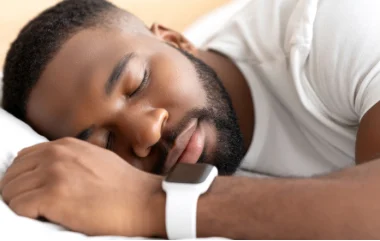
A landmark 2025 survey conducted by the American Academy of Sleep Medicine (AASM) reveals the sheer scale of this cultural shift. Nearly half of the U.S. adult population (48%) now relies on sleep-tracking devices to audit their nightly rest. This trend underscores a broader societal transition where sleep is increasingly viewed through the lens of productivity and self-optimization—a pillar of health as critical as caloric intake or cardiovascular activity.
The data suggests that the "quantified self" movement has officially reached the bedroom. From monitoring REM cycles to measuring heart rate variability (HRV) and blood oxygen levels, the average consumer now has access to medical-grade insights that were once confined to polysomnography labs. However, the move from the lab to the wrist has fundamentally altered the psychological relationship between the individual and their pillow.
The Rise of "Sleepmaxxing" and the Behavioral Shift
The influx of data is undeniably influential. According to the AASM, 55% of users have actively modified their daily routines based on insights gleaned from their trackers. These adjustments often manifest as positive behavioral changes: earlier bedtimes, more rigid wake-up calls, and a heightened awareness of environmental factors—such as room temperature or blue-light exposure—that interfere with the sleep cycle.
This phenomenon has birthed a subculture often referred to as "sleepmaxxing." Proponents of this trend treat sleep as an optimization problem to be solved. By leveraging technology, they aim to hit "perfect" scores, maximize deep sleep percentages, and minimize nocturnal awakenings. For some, this gamification of rest serves as a powerful motivator, providing the structure needed to prioritize rest in an otherwise chaotic, high-demand lifestyle.
However, the demographic breakdown of these users reveals significant disparities. The data indicates that men (56%) are more likely than women (40%) to adopt these technologies and subsequently alter their behavior. Furthermore, men demonstrate a higher propensity to invest significant capital into a burgeoning ecosystem of consumer sleep products, ranging from specialized pillows and white noise machines to advanced cooling systems, further fueling the industry’s rapid expansion.
Chronology of a Trend: From Tracking to Orthosomnia
The timeline of this trend follows a familiar trajectory:
- The Introduction Phase: Wearables enter the mainstream market, primarily marketed as fitness trackers. Users view sleep data as a novel, secondary feature.
- The Optimization Phase: As algorithms become more accurate, manufacturers pivot marketing to highlight "Sleep Quality Scores," encouraging users to view their rest as a grade.
- The Anxiety Phase: The accumulation of longitudinal data creates a feedback loop. Users begin to experience "sleep performance anxiety," where the pressure to maintain a high score becomes a cognitive burden.
- The Clinical Recognition: Professionals begin to identify "orthosomnia"—a preoccupation with achieving perfect sleep—as a common psychological byproduct of excessive reliance on tracking technology.
The Dark Side of Data: When Tracking Destroys Sleep
The most alarming finding in the current research is the prevalence of sleep-related anxiety. A striking 76% of adults report that they have lost sleep specifically due to worrying about their sleep problems. This creates a cruel irony: the individual, desperate to improve their recovery, experiences a physiological stress response when they see a "low" score on their morning report.
This stress response triggers the sympathetic nervous system, increasing cortisol levels and making it significantly harder to fall asleep the following night. When the bedroom becomes a theater for data-driven performance, the relaxation required for sleep becomes impossible to achieve. The goal of "seven or more hours"—the gold standard for adult health—is frequently compromised by the very anxiety generated by the tracker’s notification that the goal was missed.
Official Perspectives: The Clinical Consensus
Leading sleep organizations, including the AASM, maintain that while data can be a diagnostic tool, it is not a substitute for clinical expertise. The clinical concern is that many users are interpreting algorithmic data as medical fact. An app may suggest a user is not getting enough deep sleep, leading the user to self-prescribe supplements or drastic behavioral changes that may be unnecessary or even counterproductive.
"Sleep trackers are most effective when used to establish broad, healthy patterns," notes a representative from an AASM-accredited facility. "They are meant to serve as a compass, not a judge. When the data begins to dictate the user’s mood or self-worth, the device has ceased to be a health aid and has become a psychological burden."
Implications for Public Health
The widespread adoption of sleep trackers has forced a re-evaluation of how we measure health. If a patient reports that they are sleeping well but their device indicates otherwise, whose report should the physician prioritize? The medical community is currently navigating this conflict, balancing the benefits of patient empowerment with the risks of "cyberchondria"—the clinical term for the health-related anxiety induced by excessive web searching or digital monitoring.
Moreover, the commercialization of sleep has created a marketplace where "solutions" are sold for problems that may be exacerbated by the technology itself. The implication is a cycle of dependency: buy the tracker, experience anxiety, buy the sleep-aid products to fix the anxiety, and return to the tracker to measure the results.
Toward a Balanced Approach: How to Use Technology Mindfully
To harness the benefits of sleep technology without succumbing to the anxiety trap, experts suggest several strategies:
- Focus on Trends, Not Nights: Avoid the temptation to analyze daily fluctuations. Sleep is naturally variable; a single "bad" night is not a health crisis. Look at your data in weekly or monthly aggregates to identify genuine, long-term patterns.
- The "Data-Free" Period: Implement a rule where you do not look at your device for at least an hour before bed or immediately upon waking.
- Prioritize Core Habits: Remember that technology cannot replace the fundamentals. Consistent sleep/wake times, a cool and dark environment, and a pre-sleep wind-down routine are far more effective than any software algorithm.
- Know When to Disconnect: If you find yourself checking your sleep score with dread or using it as an excuse to avoid social commitments, it is time to turn the device off for a week.
Conclusion: Returning to the Bedside, Not the Data Sheet
Ultimately, the goal of sleep is to restore the mind and body, not to achieve a "100" score on an application. While trackers offer unprecedented insights into our biological rhythms, they are merely tools—and like any tool, they must be used with intention and moderation.
If you find that your concerns about sleep are persistent, or if you feel consistently fatigued regardless of what your tracker says, the most effective step is to move away from the screen and toward a professional. A visit to an accredited sleep center can provide clarity that no algorithm can match. By shifting our focus from the numbers on our wrists to the quality of our actual rest, we can move past the era of orthosomnia and reclaim the restorative power of a good night’s sleep.
For those struggling to find this balance, remember: true health is not found in a digital dashboard, but in the consistency of the habits you build and the peace of mind you cultivate before you close your eyes.