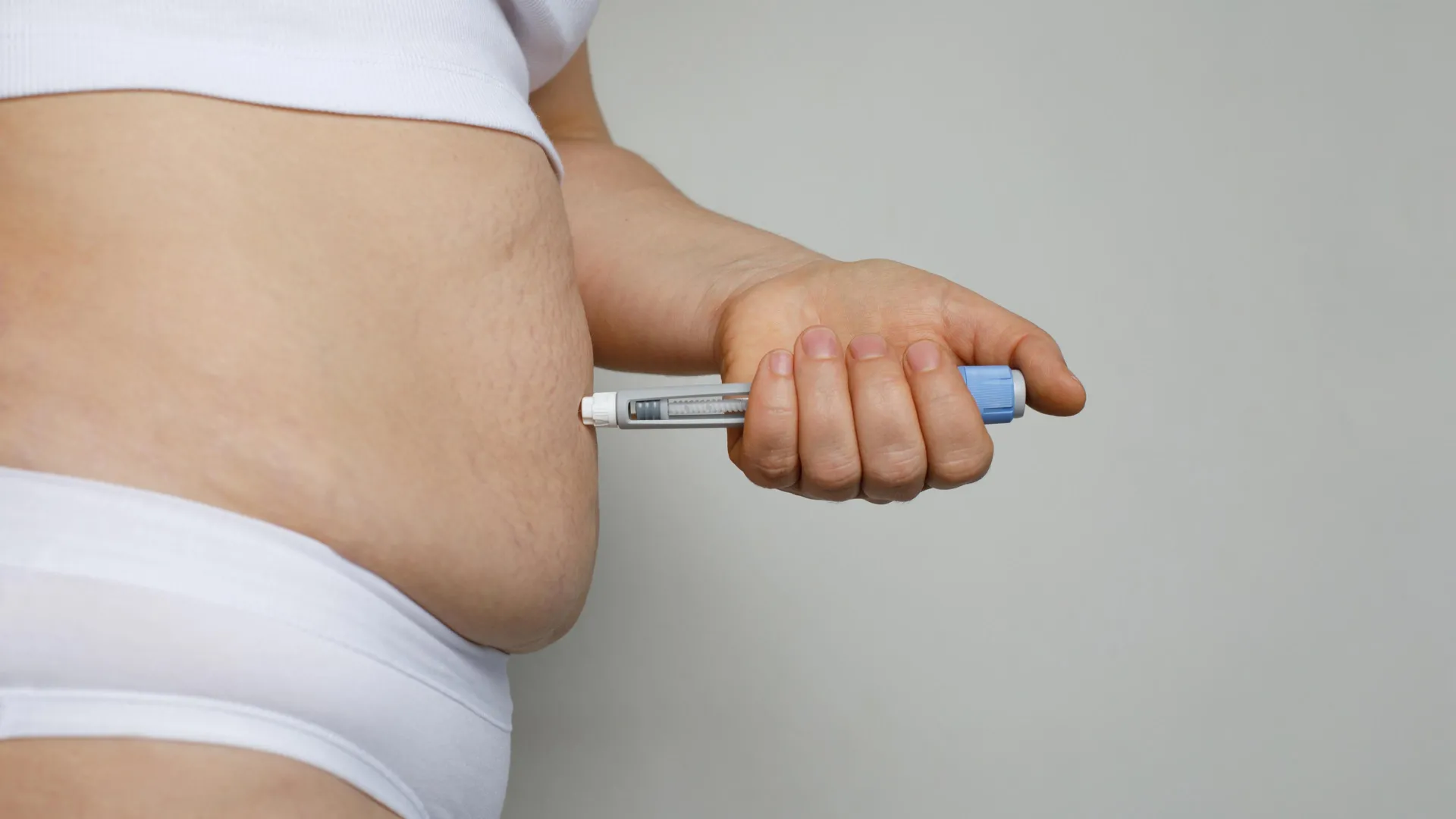
In the rapidly evolving landscape of metabolic medicine, a new class of pharmaceuticals—glucagon-like peptide-1 (GLP-1) receptor agonists—has fundamentally altered the treatment of obesity. Drugs such as semaglutide (marketed as Ozempic and Wegovy) and tirzepatide (Mounjaro and Zepbound) have been heralded as "miracle" interventions, capable of producing rapid and significant weight loss. However, a compelling new study presented at ENDO 2026, the annual meeting of the Endocrine Society in Chicago, suggests that the physiological transformation these drugs induce may come with an unexpected and concerning side effect: a notable decline in physical activity.
While medical professionals and patients alike have long operated under the assumption that shedding excess weight would naturally lead to increased mobility and a more active lifestyle, the data indicates a counterintuitive reality. According to researchers, patients on these medications are, on average, moving less than they were before their treatment began.
The Study: Unveiling the Activity Deficit
The research, spearheaded by Dr. Sajana Maharjan of HSHS St. John’s Hospital in Springfield, Illinois, utilized data from the National Institutes of Health’s (NIH) expansive All of Us Research Program. By integrating electronic health records with longitudinal data from Fitbit wearable devices, the study team was able to track real-world physical behavior rather than relying on self-reported surveys, which are often prone to bias.
The final cohort consisted of 753 adults who were prescribed GLP-1 receptor agonists for obesity. The group was predominantly female (78.6%), with an average age of 52.7 years. By comparing baseline activity levels prior to the initiation of medication against post-treatment data, the researchers uncovered a clear, downward trend in both daily step counts and moderate-to-vigorous physical activity (MVPA).
Key Data Points
- Daily Step Counts: Average daily steps plummeted from 5,047 to 4,487.
- Exercise Intensity: Time spent in moderate-to-vigorous physical activity fell from 28 minutes to 22 minutes per day.
- Vulnerability: The most significant declines were observed in men and individuals reporting pre-existing joint or muscle pain.
- Variables: The decline remained consistent across age groups and was not significantly altered by comorbidities such as heart failure or history of stroke.
The Mechanism: Why Are Patients Moving Less?
To understand why patients would become more sedentary despite losing weight, one must look at the biological and physiological impact of GLP-1 agonists. These medications function by mimicking hormones that signal satiety to the brain, slowing gastric emptying and regulating blood sugar. While highly effective at reducing caloric intake and adipose tissue, they do not discriminate between fat loss and muscle loss.
The Muscle Mass Dilemma
One of the most critical concerns identified by the research team is the rapid loss of lean muscle mass. When a patient loses significant weight quickly—as is common with GLP-1 therapy—the body often breaks down muscle tissue for energy. If a patient is not engaging in resistance training or adequate protein intake, they enter a state of muscle atrophy.
As lean muscle mass declines, the patient’s functional strength diminishes. This loss of strength can lead to increased fatigue and a decreased capacity for physical movement. The study’s findings suggest a "vicious cycle": the drug causes weight loss, which triggers muscle loss, which in turn leads to lower physical capacity, ultimately resulting in reduced physical activity.
A Shift in Clinical Expectations
The findings presented at ENDO 2026 serve as a reality check for the medical community. For decades, the primary advice for weight management has been "move more, eat less." The assumption was that the "move more" component would be an automatic byproduct of a lower body mass index (BMI).
Dr. Maharjan’s team challenges this premise entirely. The study suggests that for those on GLP-1 agonists, the "move more" component cannot be treated as an afterthought or a secondary benefit. Instead, it must be a prescribed, monitored intervention.
The Impact of Joint and Muscle Pain
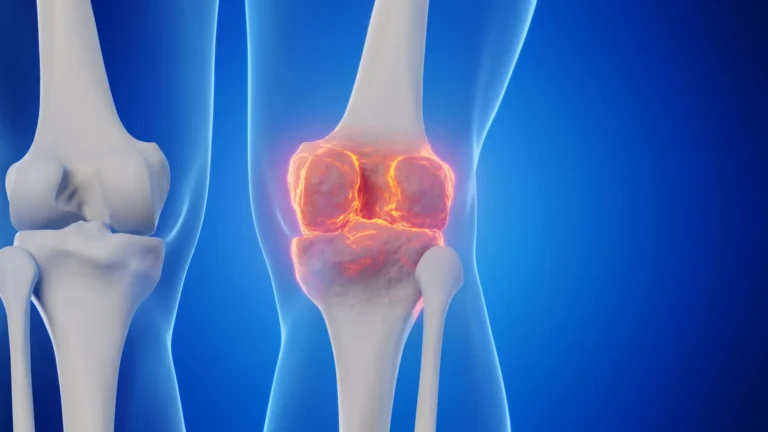
The study highlighted that those with pre-existing musculoskeletal issues saw the sharpest declines in activity. This suggests that the rapid weight loss might be inducing metabolic shifts that exacerbate underlying pain, or perhaps the lack of muscular support around the joints—caused by muscle atrophy—makes movement more taxing and less comfortable for these individuals.
Official Responses and Implications for Healthcare
The medical community has received these findings with a mix of concern and resolve. Endocrinologists and obesity specialists are now emphasizing that the "pharmacological fix" of a GLP-1 injection must be paired with a robust "lifestyle prescription."
Rethinking Obesity Treatment
"Exercise cannot be optional for people taking these medications," Dr. Maharjan stated during the presentation. The implications are clear: clinicians must shift away from viewing weight loss as the sole metric of success. If a patient loses 30 pounds but loses significant lean muscle mass and becomes more sedentary, their metabolic health may not be improving as much as the scale suggests.
Strategic Recommendations for Practitioners:
- Strength Training Integration: Patients should be encouraged, or perhaps mandated, to engage in resistance training to preserve lean muscle mass while on GLP-1 therapy.
- Monitoring Beyond the Scale: Doctors should utilize body composition analysis (like DXA scans or bioelectrical impedance) to monitor muscle versus fat loss, rather than relying solely on total weight.
- Prescribing Movement: Rather than vague advice to "get active," clinicians should provide structured, activity-based prescriptions that account for the patient’s current physical capacity and potential muscle fatigue.
The Future of Obesity Management
As the use of semaglutide and tirzepatide continues to grow globally, the potential for a large-scale decline in physical activity across the population is a significant public health concern. Sedentary behavior is a primary risk factor for cardiovascular disease, diabetes, and cognitive decline. If these life-saving weight-loss medications inadvertently foster a sedentary lifestyle, the long-term health benefits of these drugs could be severely undermined.
The study presented at ENDO 2026 is the first of its kind to leverage wearable data on this scale, and it provides a vital baseline for future research. It underscores the necessity of a multidisciplinary approach to obesity. A pill can manage appetite and blood sugar, but it cannot replace the essential physiological requirement for movement and strength.
Conclusion: A New Standard of Care
The era of GLP-1 receptor agonists has provided millions with a path to combat obesity, but it has not provided an easy way out of the fundamental requirements for human health. The data from the All of Us Research Program is a call to action for both patients and healthcare providers.
Weight loss is not a synonym for physical health. To truly thrive, patients on these medications must be empowered to maintain their activity levels, prioritize their muscle health, and reject the comfort of sedentary habits that the weight loss process might inadvertently encourage. As we look toward the future of metabolic medicine, the synergy between pharmacology and physical movement will likely become the gold standard for long-term, sustainable health.