In the complex landscape of oncology, the prevailing narrative has long been centered on deficiency: the loss of tumor suppressor genes, the deletion of protective sequences, and the breakdown of DNA repair mechanisms. For decades, researchers have operated under the assumption that if a cell’s "repair kit" is missing or broken, the door is left wide open for cancer to take root. However, a groundbreaking study from the Penn State College of Medicine is shifting this paradigm, suggesting that the problem isn’t always a lack of protection, but rather a dangerous surplus of it.
New research published in Nature Communications reveals that the overactivity of a specific protein, EXO1, can be just as destabilizing to the human genome as a genetic deficiency. By acting as a "molecular double agent," excessive EXO1 does not repair DNA but actively dismantles it, effectively mimicking the clinical signature of BRCA-mutant cancers. This discovery not only provides a new understanding of genomic instability but offers a promising roadmap for the future of personalized medicine.
The Molecular Scissors: Understanding the Role of EXO1
To grasp the implications of this study, one must first understand the delicate nature of DNA replication. During the cell cycle, DNA is constantly being copied, a process that leaves the genetic code vulnerable to errors. Under normal physiological conditions, EXO1 acts as a vital utility player. It functions akin to a pair of molecular scissors, meticulously trimming damaged or mismatched DNA sequences to allow for accurate repair.
However, the Penn State team, led by senior author George-Lucian Moldovan, professor of molecular and precision medicine, discovered that there is a fine line between restoration and destruction. When EXO1 is overexpressed—present in abnormally high levels—those "scissors" become hyperactive. Instead of selectively snipping out errors, they begin to cut through healthy DNA structures that are essential for genomic integrity.
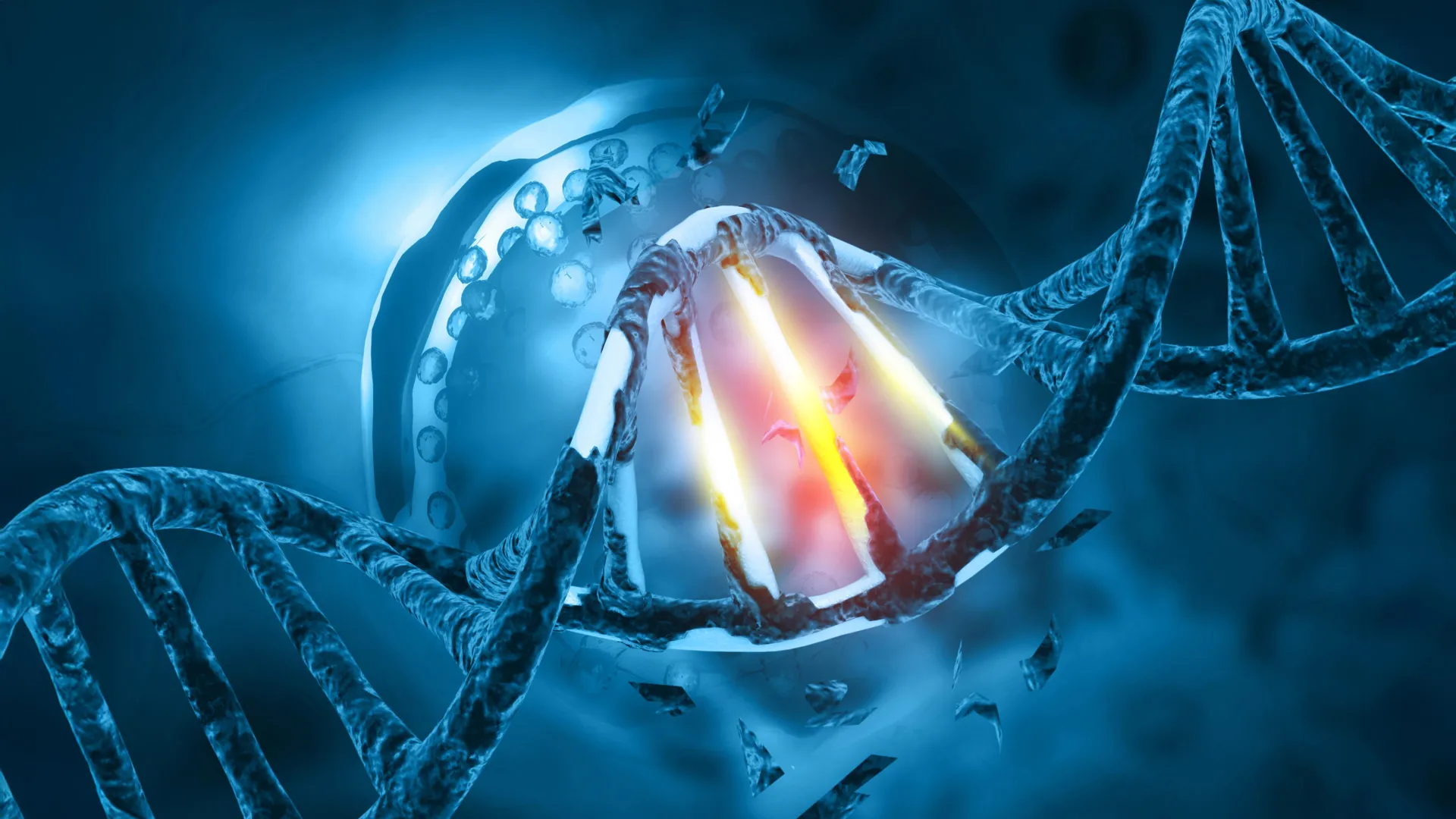
The study indicates that this overabundance triggers two primary mechanisms of damage: the expansion of single-stranded DNA gaps and the degradation of "reversed replication forks." In both scenarios, the result is the same: the erosion of genetic material and the creation of toxic lesions, such as double-strand breaks. These breaks, while lethal to the cell, are the very features that characterize the genomic chaos found in aggressive cancers.
A New Biomarker for Targeted Treatment
The study’s most significant clinical finding is the uncanny similarity between EXO1-overexpressing tumors and those driven by mutations in the BRCA1 and BRCA2 genes. BRCA-mutant cancers are well-known for their vulnerability to a specific class of drugs called PARP inhibitors (such as olaparib). These drugs work by exploiting the existing DNA repair deficiencies in BRCA-mutant cells, forcing them to accumulate so much genetic damage that they undergo cell death.
"EXO1 doesn’t predict cancer risk in the way a germline BRCA mutation does, but it could potentially serve as a biomarker to help predict which patients are more likely to respond to certain chemotherapy treatments," Moldovan explained.
The researchers found that tumors with elevated EXO1 levels—a phenomenon occurring in 20% to 30% of breast and ovarian cancers, as well as melanoma, testicular, cervical, and hepatobiliary cancers—behave as if they have a BRCA mutation, even when their BRCA genes are perfectly intact. This "BRCA-like" behavior suggests that the diagnostic net for targeted therapies could be cast much wider than previously imagined.
Chronology of the Discovery: From Data Mining to Laboratory Validation
The path to this discovery was rooted in a meticulous, multi-staged approach that combined computational biology with bench-side experimentation.
Phase 1: Genomic Analysis
The researchers began by analyzing tumor data from The Cancer Genome Atlas (TCGA), a robust National Cancer Institute program. By cross-referencing genomic profiles across multiple cancer types, they identified a recurring pattern: EXO1 overproduction was consistent across breast, skin, liver, and cervical tumors. Most notably, they found a strong correlation between elevated EXO1 and "basal-like" breast cancer, a subtype notorious for its aggressive nature and limited treatment options.
Phase 2: Experimental Verification
To prove that this correlation was causal rather than coincidental, the team utilized human cancer cell lines in a controlled laboratory setting. They artificially increased EXO1 levels to observe the immediate impact on DNA stability. To ensure the damage was a result of the protein’s activity rather than its physical presence, they also engineered a "disabled" version of the protein that was structurally present but biochemically inert. The results were clear: only the active, excessive protein caused the catastrophic DNA breaks observed in the clinical samples.
Phase 3: Therapeutic Testing
With the mechanism identified, the team shifted to therapeutic testing. They administered olaparib—the standard of care for BRCA-mutant cancers—to cell cultures with high EXO1 levels. The cells showed a high sensitivity to the drug, mirroring the response of BRCA-deficient tumors. Furthermore, they tested cisplatin, a traditional chemotherapy agent. They found that in the presence of high EXO1, tumors were hyper-responsive, suggesting that clinicians might eventually be able to achieve superior tumor reduction using lower, less toxic doses of chemotherapy.
The "BRCA-like" Phenomenon: Why It Matters
The discovery that EXO1-overexpressing tumors can mimic BRCA-mutant pathology has profound implications for oncology. BRCA mutations are hereditary and often influence a patient’s long-term surveillance and surgical decisions. EXO1 overexpression, however, appears to be an acquired state within the tumor environment.
"Mechanistically, this overexpression does exactly what the loss of the BRCA pathway does in BRCA-mutant tumor cells," says lead author Alexandra Nusawardhana, who conducted this research as part of her doctoral studies. By enlarging DNA gaps and generating breaks, the excess protein renders the cell incapable of navigating the stress of rapid replication.
Because this state is not inherited, it presents a "window of opportunity" for treatment. It allows oncologists to treat the tumor based on its specific molecular profile rather than its tissue of origin. As Moldovan succinctly puts it, "We shouldn’t treat cancers based on what tissue they come from, but based on the landscape of the genetic mutations present in the tumors."
Implications for Future Cancer Care
The research, supported by the National Institutes of Health and Four Diamonds, represents a shift toward a more nuanced view of the genome. While tumor suppressor genes are the body’s defense, the proteins involved in DNA repair must be tightly regulated; too little is dangerous, but too much can be fatal.
A Path to Clinical Trials
The ultimate goal of the Penn State team is to transition these findings from the laboratory to the clinic. If validated in upcoming clinical trials, EXO1 could join the ranks of essential biomarkers used to guide treatment plans. This would provide a lifeline for patients who currently lack clear targets for personalized therapy.
Personalized Medicine: Moving Beyond "One Size Fits All"
The ability to identify EXO1-overexpressing tumors could expand the use of PARP inhibitors to a much larger patient population. This is particularly promising for patients with aggressive cancers like basal-like breast cancer, who often have few options beyond broad-spectrum chemotherapy. By identifying these "BRCA-like" tumors, doctors can select treatments that are more effective and potentially less debilitating for the patient.
Conclusion
The study of EXO1 serves as a humbling reminder of the complexity of cellular biology. What was once considered a "good" protein—a guardian of the genome—has been unmasked as a potential architect of destruction when left unchecked. By uncovering the mechanism of EXO1-driven DNA instability, the Penn State research team has provided more than just a biological curiosity; they have provided a new target for precision medicine.
As the medical community moves toward a future where treatment is dictated by the unique molecular "fingerprint" of a tumor, the role of biomarkers like EXO1 will only grow in importance. For the thousands of patients diagnosed with aggressive, non-BRCA-mutant cancers, this discovery may be the key to unlocking therapies that are not only more precise but significantly more life-saving. The journey from the lab bench to the patient bedside is long, but with this latest breakthrough, the path forward is clearer than ever.