By Jacob Bell
Published July 21, 2026
In a sobering development for the biopharmaceutical sector, Agios Pharmaceuticals has officially announced the discontinuation of its experimental sickle cell disease (SCD) candidate, tebapivat. The decision, which halts further clinical investigation into the drug, marks the latest in a string of high-profile failures that have characterized the therapeutic landscape for this complex, debilitating blood disorder.
For Agios, the move is a significant strategic pivot. The company had envisioned tebapivat as a potential market challenger, hoping to carve out a competitive advantage against established giants like Novo Nordisk. Instead, the failure forces the organization to recalibrate its pipeline, placing the entirety of its near-term sickle cell ambitions on the shoulders of its other primary asset, mitapivat.
The Main Facts: Why Tebapivat Failed
The cessation of the tebapivat program stems from disappointing data that failed to meet the rigorous clinical benchmarks required for further investment. While the company has been tight-lipped regarding the granular mechanics of the trial failure, the outcome underscores a broader industry reality: sickle cell disease remains an notoriously difficult target for drug developers.
By pulling the plug on tebapivat, Agios is signaling a move toward fiscal and operational discipline. The development of new molecular entities in hematology is capital-intensive, and the opportunity cost of continuing a study that lacks a clear path to efficacy or safety superiority is too high for a mid-sized biotechnology firm to bear.
A Chronology of Frustration: The Sickle Cell "Graveyard"
The abandonment of tebapivat is not an isolated event; rather, it is the latest chapter in a multi-year narrative of clinical setbacks and regulatory withdrawals that have plagued the sickle cell space. The sector has witnessed a cycle of hope followed by disappointment that has left both investors and patient advocates wary.
- 2023: The year began with a wave of consolidation and contraction, as companies like Sangamo Therapeutics and Graphite Bio formally discontinued the development of experimental genetic medicines for sickle cell, citing the need to prioritize capital resources amid a challenging macroeconomic environment.
- 2024: The industry suffered a major blow when pharmaceutical titan Pfizer announced the withdrawal of Oxbryta (voxelotor) from the global market. The drug, which had been the crown jewel of Pfizer’s $5.4 billion acquisition of Global Blood Therapeutics, was pulled following evidence of severe safety concerns. In the same period, Novartis saw its sickle cell therapy, Adakveo (crizanlizumab), stripped of its marketing authorization by European regulators, who concluded that the drug’s benefits did not outweigh its risks.
- 2025: The momentum for new treatments continued to stutter as companies struggled to navigate the shifting requirements of the Food and Drug Administration (FDA) and the European Medicines Agency (EMA).
- June 2026: Just last month, Fulcrum Therapeutics made the "very difficult decision" to cease the advancement of its lead sickle cell candidate, pociredir. Despite having cleared early-stage human trials, the company hit an insurmountable wall when the FDA raised persistent, unshakeable concerns regarding the drug’s safety profile, leaving the company with no viable regulatory path forward.
Supporting Data and the Complexity of the Disease
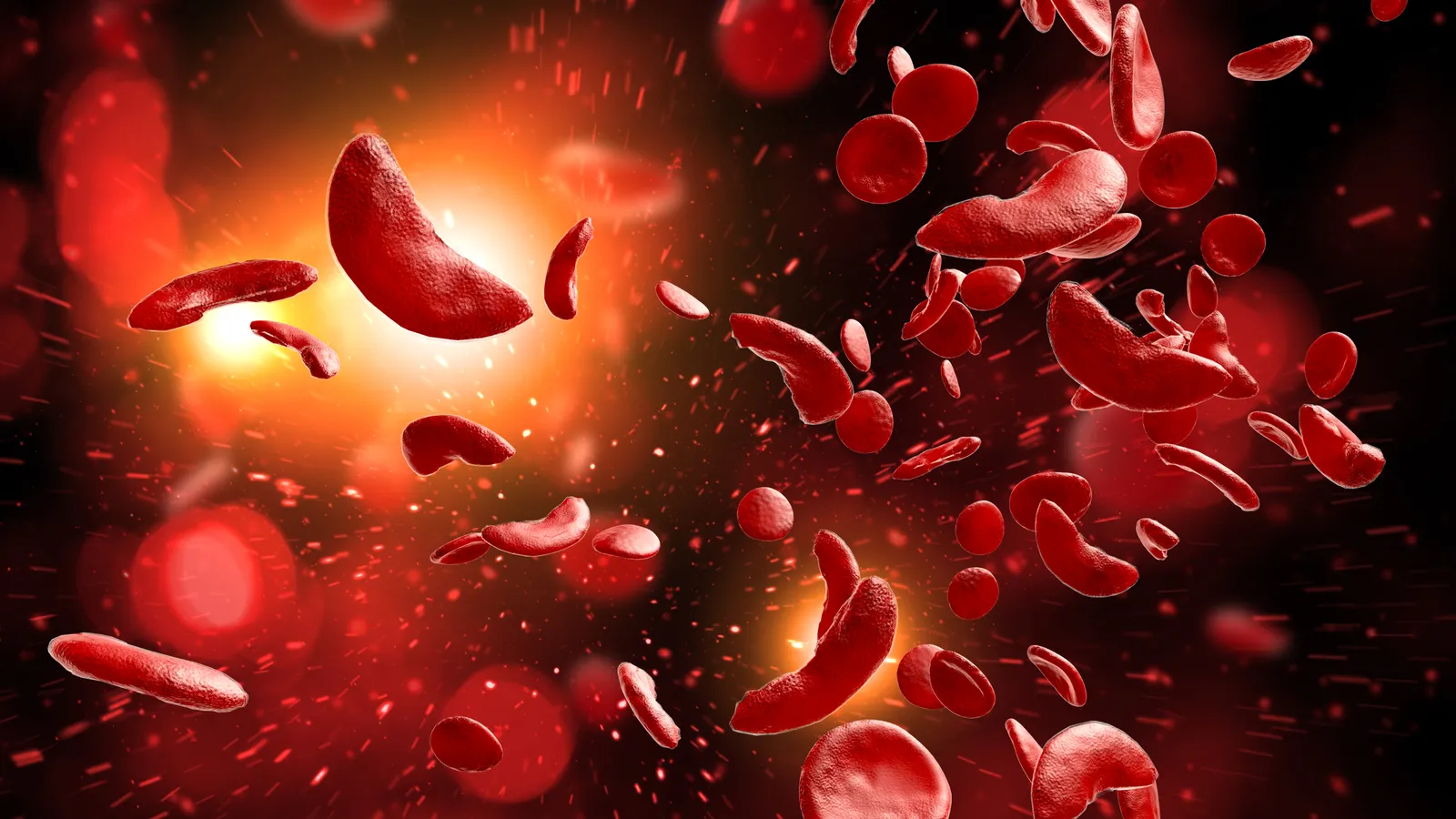
Sickle cell disease is caused by a mutation in the hemoglobin gene, leading to the production of rigid, sickle-shaped red blood cells that block blood flow, causing excruciating pain, organ damage, and shortened life expectancy. While the pathology is well-understood, translating that knowledge into a safe, efficacious, and tolerable pill or gene therapy has proven to be an Herculean task.
The failures cited above—ranging from genetic therapies to small-molecule inhibitors—demonstrate that the disease’s biological pathways are highly resilient. Drugs that appear promising in preclinical models often falter in humans due to unforeseen toxicity or an inability to demonstrate a clinically meaningful reduction in vaso-occlusive crises (VOCs) compared to the current standard of care.
For researchers, the "bar" for success has been raised exponentially. Regulators are no longer merely looking for a reduction in markers; they are demanding long-term safety data that spans years, a standard that has caught many smaller firms off guard.
Implications for Agios Pharmaceuticals
The end of the tebapivat program shifts the spotlight firmly onto mitapivat, another of the company’s candidates currently being evaluated for the treatment of sickle cell disease.

In November 2025, Agios disclosed mixed results from a late-stage trial for mitapivat. While the data was not the "home run" the company hoped for, the results were sufficient to keep the program alive. Currently, the company is awaiting an FDA approval decision, which is expected by November 1, 2026.
Market analysts, including those who follow Agios closely, have noted that the failure of tebapivat drastically changes the company’s risk profile. In a recent client note, analysts emphasized that the end of the tebapivat program "places greater importance" on the commercial execution of mitapivat. If the drug is approved in November, the pressure will be on the company’s sales force to navigate a crowded and skeptical market.
Furthermore, the failure necessitates a shift in business development strategy. Agios must now look toward its earlier-stage research projects to fill the void left by tebapivat. If the company cannot prove that its pipeline is robust, it may find itself under pressure from shareholders to seek out potential business development opportunities—or even consider being acquired itself.
The Road Ahead: Can the Industry Recover?
The string of failures in the sickle cell space raises a fundamental question: Is the industry looking in the right places?
Many experts argue that the recent setbacks are a result of "me-too" drug development, where companies attempt to follow the same mechanistic pathways that have already been explored. As the field moves forward, there is a growing consensus that novel approaches—perhaps involving multi-target therapies or personalized medicine—are required to overcome the safety hurdles that derailed the likes of Oxbryta and pociredir.

For patients, the current environment is one of precarious hope. While gene-editing therapies are reaching the market, they remain expensive and difficult to administer, leaving a massive need for oral, small-molecule treatments that are accessible to the broader patient population.
Agios, like its peers, is now at a crossroads. The company’s ability to survive this current "sickle cell winter" will depend entirely on the upcoming FDA review of mitapivat. Should the agency grant approval, Agios could find itself in a unique position to lead the market. Should the review encounter the same skepticism that has haunted its peers, the path forward will be far more treacherous.
As the industry reflects on the tebapivat news, one thing remains clear: the science of sickle cell disease is unforgiving. It demands not only innovation but an unprecedented level of clinical rigor, safety transparency, and, ultimately, the patience to endure the long, often frustrating, cycles of drug development. The industry has learned that there are no shortcuts in treating this condition, and for those who fail to meet the standard, the market is quick to close its doors.