





In the world of fitness, the image of the dedicated gym-goer is often synonymous with heavy iron—rows of dumbbells, clanking weight plates, and the pursuit of “lifting heavy.” However, for those navigating their sixth decade and beyond, the path to building lean muscle and maintaining metabolic health may not require a gym membership or a single piece of heavy equipment.
According to leading wellness experts, the most effective tool for long-term health is already at your disposal: your own body weight. As the aging process naturally shifts the focus from aggressive bodybuilding to sustainable longevity, bodyweight training has emerged as the premier method for preserving muscle mass, enhancing joint mobility, and ensuring functional independence.
The Paradigm Shift: Redefining Muscle Growth After 60
For many, the transition into their 60s is accompanied by the reality of sarcopenia—the age-related loss of muscle mass and strength. While the impulse might be to combat this with increasingly heavy loads, Karen Ann Canham, CEO and founder of Karen Ann Wellness, argues that this approach can often be counterproductive.
"For adults over 60, muscle growth is less about lifting the heaviest weight possible and more about providing consistent, progressive challenge," explains Canham, a Board-Certified Wellness Coach and Nervous System Specialist with nearly two decades of experience. "When performed with good form and appropriate intensity, bodyweight exercises can effectively preserve and build muscle while placing less stress on the joints than some traditional weight-training programs."
The philosophy here is simple but profound: muscle growth is a response to the body being challenged beyond its current capacity. While dumbbells provide an external load, bodyweight exercises use the individual’s mass as the resistance. This method allows for a more controlled, mindful approach to training that prioritizes movement quality over sheer power.
Chronology of Functional Fitness: Why Movement Patterns Matter
As we age, the “functional” aspect of fitness becomes paramount. It is no longer just about the aesthetic of a bicep curl; it is about the ability to stand up from a deep chair, reach for a high shelf, or maintain balance while navigating uneven terrain.
Bodyweight training is inherently functional. By utilizing movements that mimic real-world activities, seniors can train their nervous systems to remain agile and reactive. Canham notes that the exercises she advocates for—such as sit-to-stands and step-ups—are not merely repetitions; they are rehearsals for daily life.
The Six Pillars of Longevity Training
Canham’s curated list of bodyweight exercises is designed to target major muscle groups while minimizing the risk of injury. Each movement serves a specific biomechanical purpose:
1. Incline Pushups: Upper Body Power
Pushups are the gold standard for upper body development, but the floor-based version can be overly taxing on the shoulders and wrists for some. Incline pushups—performed against a wall, kitchen counter, or sturdy bench—allow for a customizable range of motion. They effectively target the pectorals, deltoids, and triceps, fostering chest strength without the high-impact stress of traditional pushups.
2. Sit-to-Stands: The Foundation of Independence
Often referred to as “chair squats,” this movement is perhaps the most vital for elderly longevity. It mimics the act of sitting down and rising from a chair, strengthening the quadriceps, glutes, and hips. By perfecting this movement, one ensures that the essential physical ability to move independently remains intact well into the later years.
3. Step-Ups: Stability and Coordination
Step-ups are an excellent way to train the legs unilaterally. By isolating one leg at a time, you force the body to stabilize, which significantly improves balance and coordination. This movement helps mitigate the risk of falls, a primary concern for seniors, by building confidence in dynamic movement.
4. Glute Bridges: Pelvic and Core Stability
The posterior chain—the glutes and hamstrings—is frequently neglected in sedentary lifestyles. Glute bridges are an effective, low-impact way to wake up these dormant muscles. By lying on the back and lifting the hips, you support pelvic stability and alleviate lower back strain, which is a common complaint in the aging population.
5. Bird-Dogs: Spinal Integrity
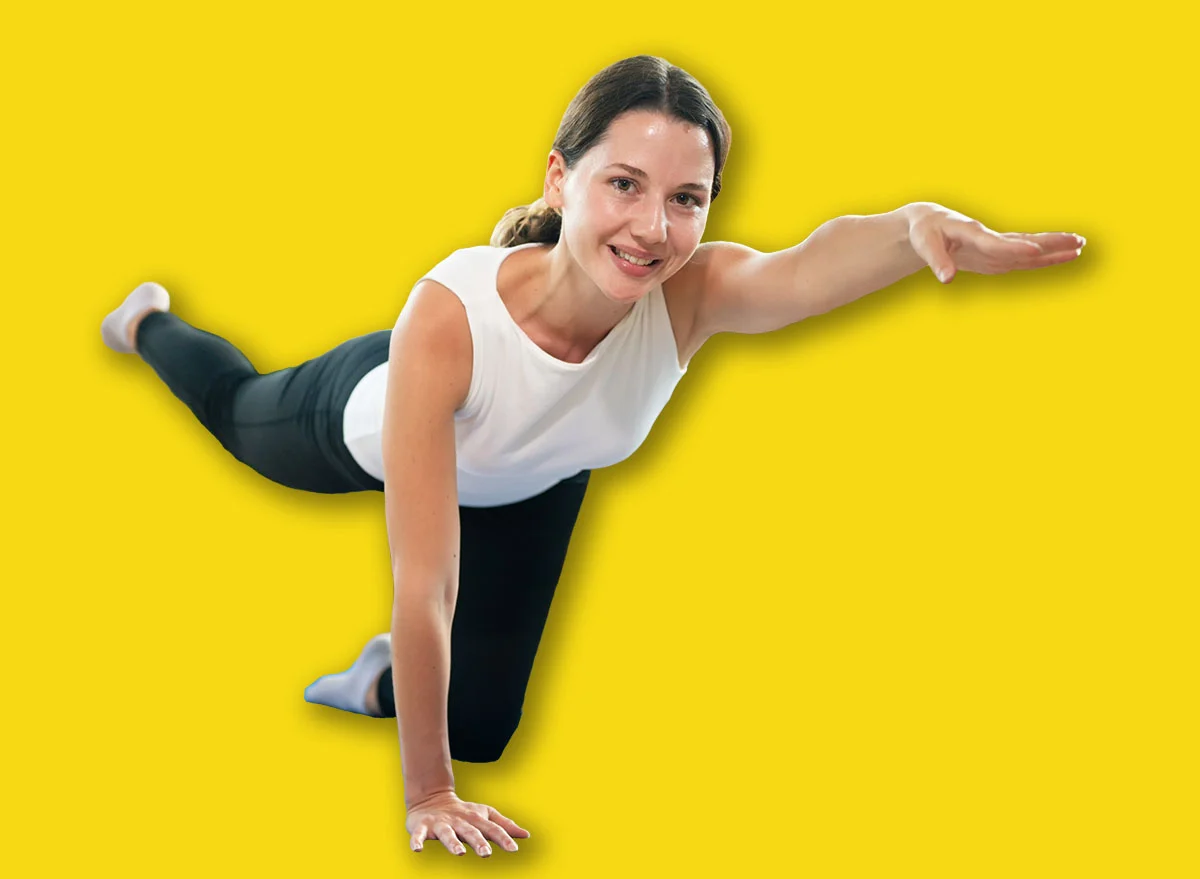
Posture is a direct reflection of core strength. The bird-dog exercise, performed on hands and knees, requires simultaneous movement of opposite limbs. This challenges the deep spinal stabilizers and the core, fostering a rigid, healthy spine and improving overall posture.
6. Wall Sits: Muscular Endurance
Unlike dynamic movements, the wall sit is an isometric exercise. By holding a squat position against a wall, you build muscular endurance in the quads and glutes. This is a highly effective way to increase lower-body strength while maintaining zero impact on the joints.
Supporting Data: The Science of Low-Impact Resistance
The medical community increasingly supports the move toward "functional resistance" for the aging population. Research into joint health consistently shows that high-impact or heavy-load training can lead to inflammation and cartilage degradation in individuals with pre-existing joint issues.
Bodyweight training, conversely, promotes synovial fluid movement within the joints, which acts as a lubricant, reducing stiffness. Furthermore, because these exercises require constant stabilization, they promote "proprioception"—the body’s ability to sense its position in space. This is a critical factor in fall prevention. As the body learns to stabilize itself against its own weight, the nervous system becomes more efficient, leading to better balance and a more secure gait.
Official Expert Perspective: The Holistic Approach
The approach championed by Canham is not just about the muscles; it is about the nervous system. As a Nervous System Specialist, she emphasizes that the way we approach movement dictates how our body interprets stress.
"I chose these exercises because they train the major muscle groups most responsible for maintaining mobility, balance, posture, and independence after 60," Canham explains. "They also mimic real-world movements, making the strength gains highly functional."
When we approach exercise as a way to "work with" our body rather than "work against" it, the physiological response is vastly different. High-stress training can increase cortisol levels, which, in aging bodies, can actually lead to muscle breakdown. Progressive bodyweight training keeps the nervous system in a "flow" state, promoting muscle protein synthesis without the systemic inflammation associated with heavy, ego-driven lifting.
Implications for the Future of Wellness
As the population continues to age, the implications of this shift are significant. The healthcare industry is moving toward a model of preventative wellness, where the primary goal is to keep the elderly population out of hospitals by maintaining physical self-sufficiency.
Bodyweight exercise provides a low-barrier-to-entry solution. It requires no financial investment, no specialized equipment, and can be performed anywhere. This democratization of fitness is essential for addressing the health crisis among the aging, where mobility limitations often prevent access to traditional gyms.
By focusing on the six pillars identified by Canham, individuals over 60 can take ownership of their physical health. The goal is no longer to look like a bodybuilder; it is to build a body that remains strong, mobile, and resilient for the long haul.
Conclusion: Starting Your Journey
The path to building lean muscle after 60 is paved with consistency rather than intensity. By integrating these bodyweight movements into your daily routine, you are doing more than just building muscle; you are investing in the quality of your future. Whether it is a quick set of wall sits while the coffee brews or a few incline pushups before dinner, every repetition counts toward a stronger, more independent version of yourself.
As Karen Ann Canham wisely notes, the body is a machine designed to move. By providing it with the right challenges—using the very weight it carries—you can ensure that your body remains a capable vessel for all the adventures yet to come.