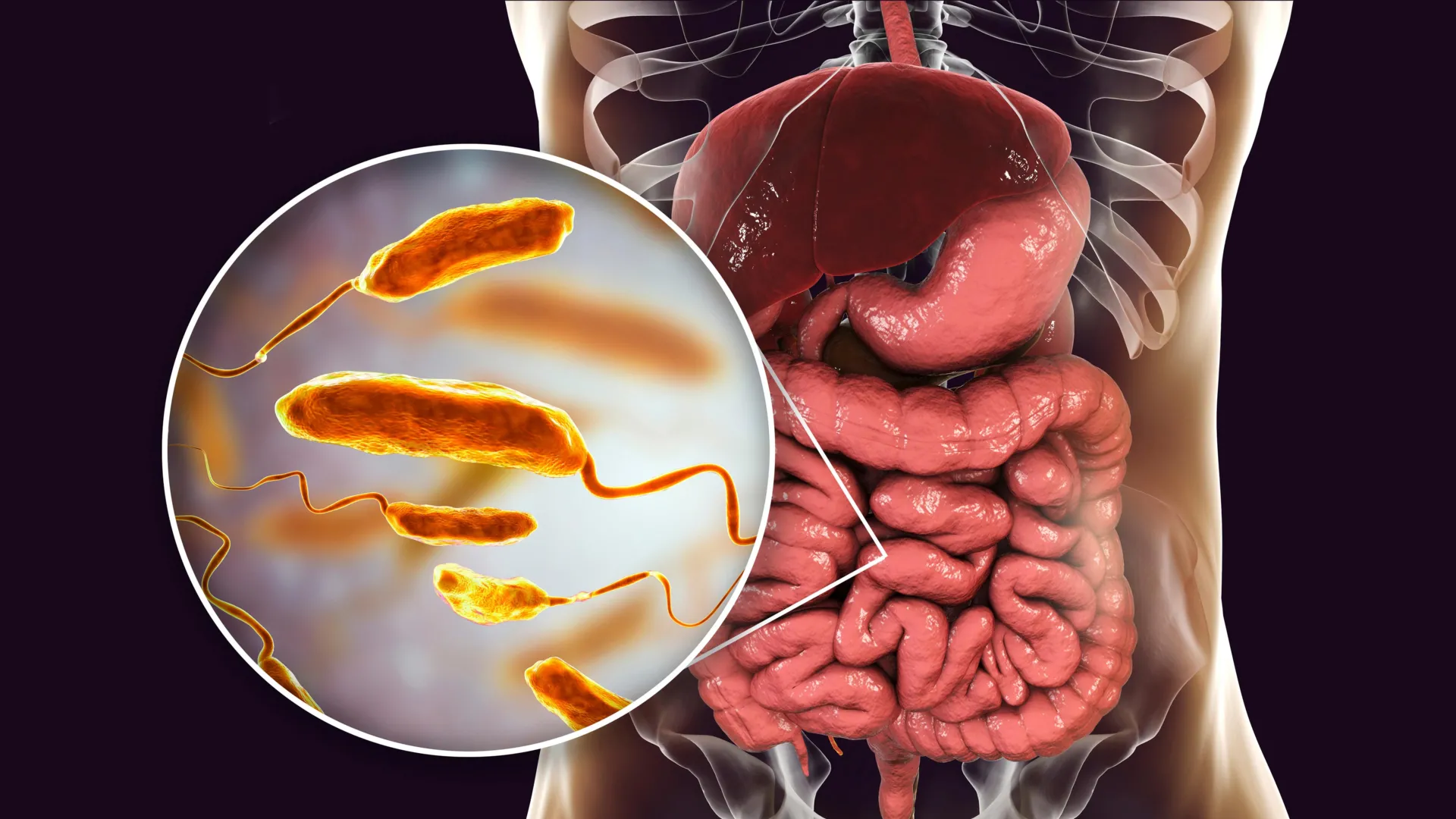
Cholera remains one of the most persistent and devastating public health challenges in the developing world. Characterized by acute watery diarrhea that can lead to rapid dehydration and death within hours if left untreated, the bacterial infection caused by Vibrio cholerae continues to claim thousands of lives annually. While the standard medical response centers on aggressive rehydration therapy and, in some cases, antibiotic intervention, a breakthrough study from the University of California, Riverside (UCR) suggests that the most effective tool in our arsenal may not be found in a pharmacy, but on a dinner plate.
New research published in the journal Cell Host and Microbe reveals that specific dietary proteins—namely casein, found in dairy, and wheat gluten—can fundamentally alter the gut environment, making it hostile to the cholera pathogen. By limiting the bacteria’s ability to colonize the intestine, this dietary strategy offers a promising, low-cost, and sustainable method to combat a disease that disproportionately affects the world’s most vulnerable populations.
The Microbiome Connection: Understanding the Gut Landscape
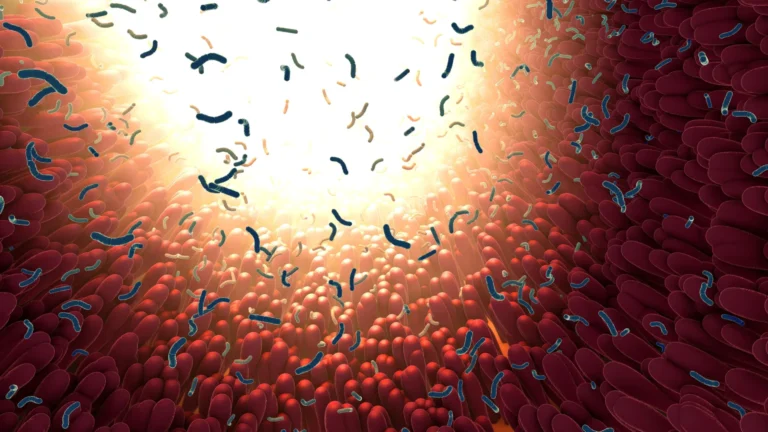
The human gut is a complex ecosystem teeming with trillions of microbes. For decades, scientists have understood that diet is the primary architect of this internal community. What you eat dictates which microbial species thrive and which perish. However, researchers have historically focused on how diet impacts beneficial bacteria, often overlooking the role of nutrition in directly inhibiting pathogenic invaders.
In the UCR study, the research team, led by Ansel Hsiao, an associate professor of microbiology and plant pathology, sought to determine whether the same dietary levers that shift healthy gut flora could be used to suppress malicious bacteria like Vibrio cholerae. The findings were nothing short of transformative.
"I wasn’t surprised that diet could affect the health of someone infected with the bacteria," Hsiao noted. "But the magnitude of the effect surprised me. We saw up to 100-fold differences in the amount of cholera colonization as a function of diet alone."
Chronology of the Discovery: From Hypothesis to Breakthrough
The study was structured to isolate the specific impact of macronutrients on the colonization process. The research team employed a series of experiments using mouse models, which provide a reliable proxy for human intestinal response to pathogens.
The Initial Testing Phase
The team fed infected mice controlled diets categorized by their dominant macronutrient: high-protein, high-fat, and high-simple-carbohydrate diets. The goal was to establish a baseline of how each group affected the pathogen’s ability to establish a foothold in the gut environment.
The Findings
The results revealed a clear hierarchy of efficacy:
- High-Fat Diets: These showed negligible impact on the infection, offering little to no protection against Vibrio cholerae.
- Carbohydrate-Heavy Diets: These provided only modest benefits, showing a slight reduction in bacterial load but failing to stop the infection effectively.
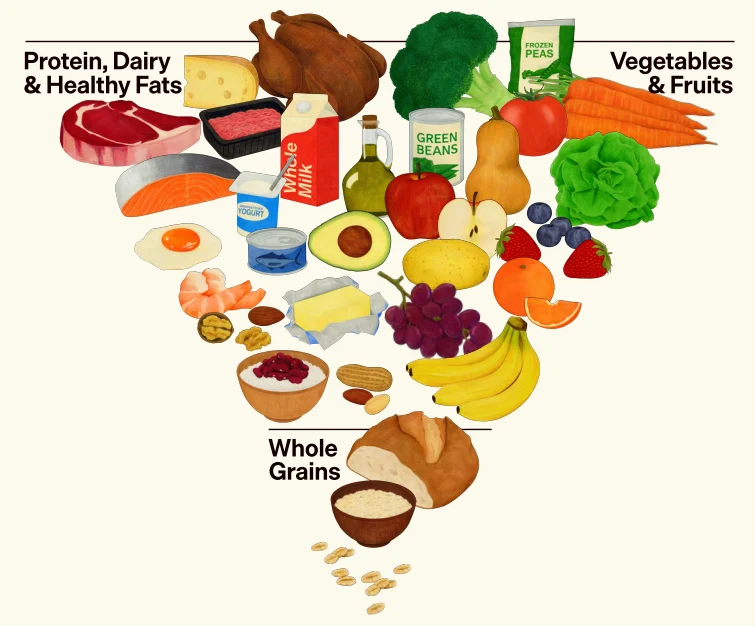
- High-Protein Diets: These yielded the most striking results. When the mice were fed diets rich in casein (the primary protein in milk and cheese) and wheat gluten, the cholera bacteria were almost completely prevented from colonizing the gut.
This chronology of testing allowed the researchers to move beyond general dietary advice and identify specific proteins that act as a deterrent to the disease.
Supporting Data: Why Protein Matters
The data gathered by the UCR team suggests that the protective effect is not merely about "more protein," but about the type of protein consumed. While various proteins were tested, casein and wheat gluten emerged as the clear front-runners in preventing infection.
The study provides a detailed look at the mechanism of action. The researchers discovered that these specific proteins interfere with the "type 6 secretion system" (T6SS) of the cholera bacteria. The T6SS is essentially a microscopic, syringe-like apparatus that sits on the surface of the bacteria. Vibrio cholerae uses this mechanism to inject toxins into neighboring cells, effectively killing off competing microbes and clearing the way for its own dominance in the gut.
When the diet is rich in casein or wheat gluten, this secretion system is suppressed. Deprived of its primary weapon, the cholera bacteria struggle to kill off the beneficial competing bacteria already residing in the gut. Without the ability to neutralize its competition, the cholera pathogen cannot successfully establish itself, significantly reducing the risk of a full-blown infection.
Official Responses and Scientific Context
The publication of this research in Cell Host and Microbe has been met with significant interest from the scientific and global health communities.
"The high-protein diet had one of the strongest anti-cholera effects compared to a balanced diet," Hsiao explained. "And not all proteins are the same. Casein and wheat gluten were the two clear winners."
The implications for public health are substantial, particularly in regions like parts of Asia and Sub-Saharan Africa, where access to clean water is inconsistent and healthcare infrastructure is often strained. Current treatments for cholera are often hampered by logistics. While rehydration is essential, it does not stop the bacterial colonization. Antibiotics are effective but come with their own set of complications.
The global medical community has long been concerned about the overuse of antibiotics. In the context of cholera, while antibiotic-resistant strains are not yet the primary concern, the potential for rapid bacterial adaptation is high. Every time a new generation of bacteria survives a drug treatment, the risk of resistance grows.
"Dietary strategies won’t generate antibiotic resistance in the same way a drug might," Hsiao noted, highlighting the advantage of using nutrition as a preventative measure. "Wheat gluten and casein are recognized as safe in a way a microbe is not, in a regulatory sense, so this is an easier way to protect public health."
Global Health Implications: A Sustainable Future
The shift toward nutritional interventions for infectious diseases represents a paradigm shift in how we approach global health. Rather than relying solely on reactive medicine, researchers are increasingly looking at how environmental and nutritional modifications can bolster the body’s inherent defenses.
Bridging the Gap to Human Health
While the current findings are rooted in mouse models, the biological mechanisms at play are highly relevant to the human gut. The research team is currently shifting their focus toward human clinical studies to determine how these dietary changes influence the human gut microbiome and whether they can serve as a shield against other infectious pathogens beyond cholera.
Low-Cost, Accessible Solutions
One of the most compelling aspects of this research is its accessibility. Unlike specialized, high-cost pharmaceuticals that require cold-chain transport and professional administration, dietary staples like milk-based proteins and wheat products are relatively easy to procure and distribute. If these findings hold true in humans, they could form the basis of community-level health initiatives aimed at bolstering resistance in high-risk areas.
Future Research Directions
Hsiao’s team plans to continue investigating the broader potential of dietary modulation. The hypothesis is that if these proteins can suppress the T6SS in cholera, they might have similar inhibitory effects on other dangerous bacteria that utilize similar injection systems. "Some diets will be more successful than others," Hsiao said. "But if you try this for pathogens other than cholera, I suspect we’ll also see a beneficial effect. The more we can improve people’s diets, the more we may be able to protect people from succumbing to disease."
Conclusion: Nutrition as Medicine
The UCR study provides a hopeful look at a future where our diet is as much a part of our medical defense as our vaccines and medications. By understanding the intricate relationship between the proteins we consume and the pathogenic machinery of bacteria like Vibrio cholerae, researchers are opening a new chapter in infectious disease prevention.
As the global population grows and the challenge of antibiotic resistance looms, the ability to "starve" or disarm pathogens through simple, nutritional interventions could save countless lives. While there is still significant work to be done in translating these mouse studies into broad-scale human clinical recommendations, the evidence is clear: what we put into our bodies is one of the most powerful tools we have in the fight against disease. By focusing on the gut as a battlefield, and nutrition as our primary defense, we may finally be gaining the upper hand against one of history’s oldest and deadliest diseases.