







In the world of fitness, there is a recurring debate: do you prefer the mechanical precision of gym equipment, or the raw, functional utility of bodyweight training? While heavy weight machines offer a controlled environment for hypertrophy, they often fall short when it comes to replicating the complex demands of daily life. For individuals over the age of 55, this distinction becomes critical.
As we age, the body undergoes natural physiological changes, including a gradual decline in muscle mass—a process known as sarcopenia—that begins as early as our 30s. To counter this and maintain independence, agility, and longevity, fitness experts are increasingly shifting their focus toward "functional strength." According to Marwa Ahmed, a NASM-certified personal trainer and CEO of The BodyMind Coach in Toronto, mastering specific bodyweight movements is the ultimate benchmark for real-world vitality.
The Science of Functional Aging
"Bodyweight exercises show how well you can move your own body," Ahmed explains. "Machines can be useful for building strength, but they often support you in a fixed position, so they don’t challenge balance, coordination, or stability in the same way. A person might leg press a lot on a machine and still struggle with a deep squat or getting up from the floor with good form, which is why bodyweight moves are often a better test of real-world fitness."
The implications of this are significant. Functional fitness is not merely about aesthetics; it is about "biological insurance." It ensures that as the decades pass, the body remains capable of performing everyday tasks—carrying groceries, climbing stairs, and recovering from slips—without injury.
1. The Pushup: The Gold Standard of Upper-Body Power
The pushup is far more than a chest exercise. It is a full-body plank in motion, requiring the engagement of the pectorals, deltoids, triceps, and, crucially, the entire core musculature.
Why It Matters
As we age, our posture tends to round forward due to sedentary habits. The pushup, when performed with proper form, strengthens the stabilizers of the shoulder blade and the core, which promotes a more upright, confident posture.
Execution Tips
- Alignment: Maintain a straight line from your head to your heels. Do not let your hips sag or pike toward the ceiling.
- Range of Motion: Lower your chest until it is just an inch or two from the floor, keeping your elbows at a 45-degree angle to your body rather than flared out, which protects the rotator cuffs.
- Progression: If a standard pushup is currently too challenging, perform them against a sturdy wall or a countertop to build baseline strength before moving to the floor.
2. Bodyweight Squats: The Foundation of Mobility
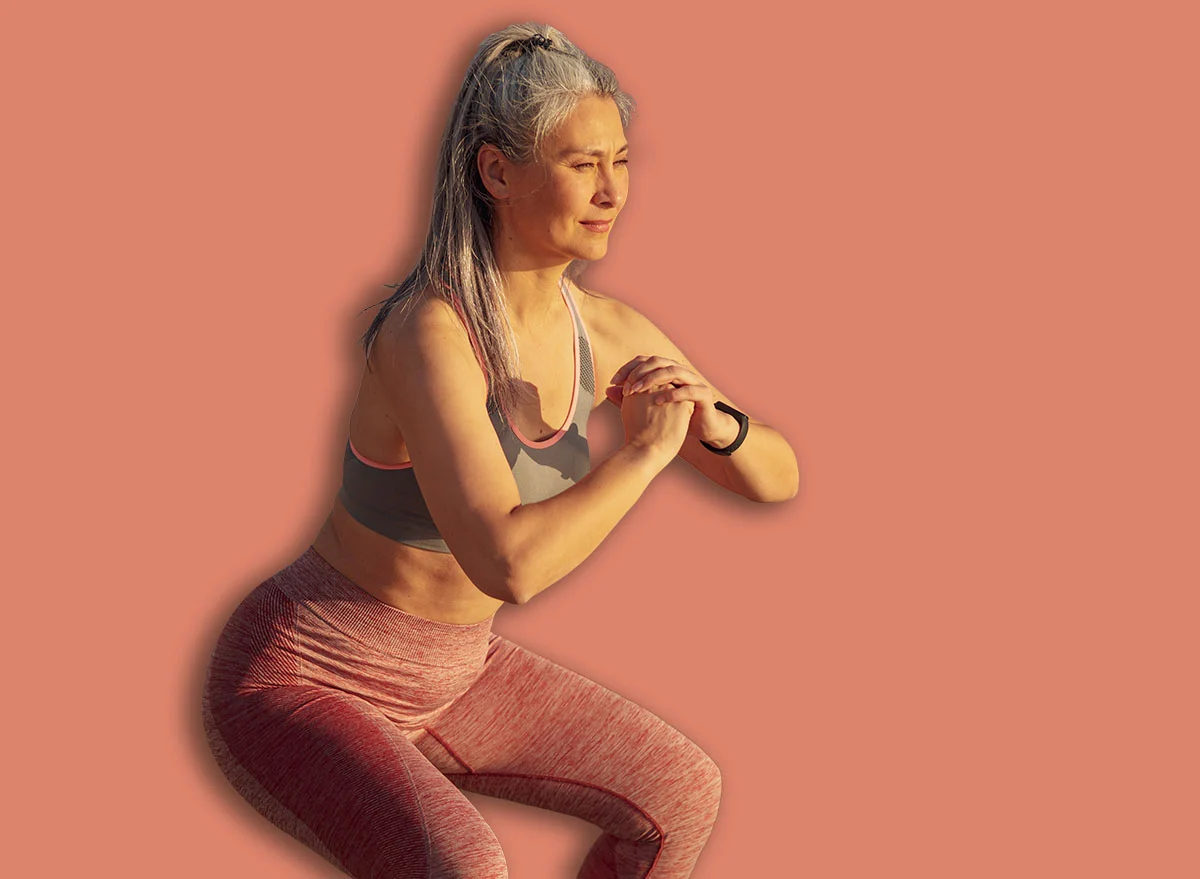
If there is one movement that defines long-term physical independence, it is the squat. It mimics the motion of sitting down into a chair and standing back up—a task we perform dozens of times daily.
The Biomechanics of the Squat
Squats target the quadriceps, hamstrings, glutes, and lower back. By maintaining the ability to perform a deep, controlled squat, you are effectively preserving the health of your knee and hip joints through full-range-of-motion loading.
Mastering the Form
- Foot Placement: Position your feet slightly wider than hip-width apart, toes pointed slightly outward.
- The Hinge: Initiate the movement by pushing your hips back as if sitting into an invisible chair. Keep your weight in your heels.
- Depth: Aim for your thighs to be parallel to the floor, ensuring your knees track in line with your toes rather than caving inward.
3. Lunges: Unilateral Stability
Life is rarely perfectly symmetrical. We walk, step, and climb stairs one leg at a time. Lunges train this "unilateral" strength, exposing and correcting imbalances between the left and right sides of the body.
Addressing Imbalances
Many people favor their dominant leg, which can lead to hip misalignment and back pain over time. Lunges demand stabilization from the core and the smaller, often neglected muscles surrounding the hip joint.
Key Considerations
- Step Length: Ensure your stride is long enough so that when you lower your back knee, both knees form 90-degree angles.
- Stability: If balance is an issue, perform "stationary lunges" (split squats) where your feet stay in place, rather than stepping forward into each repetition.
4. Planks: The Core Stability Pillar
A strong core is the engine of the body. While many associate the core with "abs," the real utility of the core is protecting the spine. Planks are an isometric exercise, meaning they build strength by holding the body rigid against gravity.
Why They Are Essential
For those over 55, spinal health is paramount. A weak core puts excessive pressure on the lumbar spine. Planks teach the body to brace, protecting the vertebrae during heavy lifting or sudden movements.
Pro-Tips for Success
- Tension: Imagine you are trying to pull your elbows toward your toes; this creates full-body tension.
- Glute Activation: Squeeze your glutes tightly to prevent the lower back from arching.
- Consistency: Start with 20–30 second holds and gradually increase as your endurance improves.
5. Single-Leg Balance: The Longevity Indicator
Perhaps the most underrated movement in the fitness world is simply standing on one leg. Balance is a "use it or lose it" skill. According to various clinical studies, the ability to balance on one leg for a sustained period is a strong predictor of longevity and a reduced risk of falls.
The Role of Proprioception
Single-leg balance trains proprioception—the body’s ability to sense its position in space. By challenging the nerves and stabilizing muscles in the ankle, knee, and hip, you are building a defense system against the most common injury in older adults: the fall.
How to Practice
- Start Safely: Stand next to a wall or a sturdy chair for support if needed.
- Focus: Pick a focal point on the wall in front of you to help maintain stability.
- Progression: Once you can balance for 30 seconds comfortably, try closing your eyes to increase the difficulty significantly.
Integrating Movement into Your Routine
Marwa Ahmed suggests that the beauty of these five movements is their accessibility. They require no gym membership, no specialized equipment, and can be performed in the comfort of your living room.
Chronology of Improvement
- Phase One (Weeks 1-4): Focus entirely on form. Use mirrors or video recordings to ensure your alignment is correct. Do not prioritize speed or high repetitions.
- Phase Two (Weeks 5-8): Introduce consistency. Aim to perform these movements three times per week. The goal is to make these patterns "habitual."
- Phase Three (Week 9 and beyond): Increase volume. Add more repetitions or shorten rest periods to challenge your cardiovascular system while maintaining perfect form.
The Broader Implications for Health
The shift toward functional training marks a departure from the "vanity metrics" of the past. It isn’t about how much weight you can bench press or how many inches you can shave off your waistline. It is about maintaining the biological capacity to participate in life fully.
When you master these five movements, you are doing more than building muscle; you are building a framework for a more capable future. You are ensuring that when you reach your 60s, 70s, and beyond, your body remains a source of empowerment rather than a limitation.
As Ahmed concludes, "The goal is not just to survive the aging process, but to thrive within it. Real-world strength is the key to maintaining your independence, your confidence, and your joy in movement."
By prioritizing these foundational movements, you are making a long-term investment in your most valuable asset: your health. Start slowly, be consistent, and listen to your body—it will thank you for years to come.