





In the quiet, sterile corridors of high-tech wellness clinics and the bustling feeds of biohacking podcasts, a singular obsession has taken hold: the desire to outsmart time itself. If you have been following the cultural zeitgeist surrounding longevity, you have undoubtedly encountered the term "biological age" (or "bio age").
Billionaire entrepreneur Bryan Johnson, the central figure of the Netflix documentary Don’t Die, has become the face of this movement. Johnson’s public crusade involves a multi-million-dollar annual investment in a rigorous, data-driven lifestyle designed to reverse the clock. From weekly acid peels and hyperbaric oxygen therapy to experimental plasma infusions, his methodology is as controversial as it is scrutinized. Yet, beneath the headlines of eccentric medical interventions lies a growing industry of biological age testing kits now accessible to the general public.
Is this the future of preventative medicine, or simply a sophisticated form of vanity? To answer that, we must peel back the layers of marketing to understand what biological age really is, how it is measured, and whether these numbers actually hold the key to a longer life.
The Science of Biological Age vs. Chronological Age
To understand the bio age movement, one must first distinguish between the two ways we measure human time. Chronological age is the simple, linear tally of the years, months, and days since your birth. It is a static number—the candles on your birthday cake.
Biological age, conversely, is a dynamic reflection of your cellular functionality. It is a measure of how your body has weathered the environment, your genetics, and your lifestyle choices. Consider two 50-year-old men: Chang, who works a sedentary desk job, lives in a high-pollution urban center, smokes, and relies on processed convenience foods, and Jabari, who practices consistent strength training, consumes a nutrient-dense diet, maintains a consistent sleep hygiene protocol, and lives in a low-stress environment. Even though their chronological ages are identical, their internal machinery—the efficiency of their cells, the integrity of their DNA, and the health of their organ systems—will differ significantly.
Biological age testing aims to quantify this internal "wear and tear." By looking at specific biomarkers, these tests attempt to provide a "cellular report card" that can be used to predict disease risk and, theoretically, longevity.
The Mechanics of Measurement: How Testing Works
Biological age testing has moved from elite research labs to direct-to-consumer mail-order kits. But what exactly are these tests looking for?
1. DNA Methylation
Often considered the "gold standard" of current testing, these kits look at DNA methylation—a process where chemical groups are added to your DNA, effectively turning genes on or off. As we age, these methylation patterns shift in predictable ways. Algorithms like the Horvath Clock or the DunedinPACE interpret these patterns to estimate an individual’s "pace of aging."
2. Telomere Analysis
Telomeres are the protective caps at the ends of our chromosomes, acting much like the plastic aglets on the ends of shoelaces. Each time a cell divides, these telomeres shorten. Eventually, they become so short that the cell can no longer divide, leading to cellular senescence. While telomere length is a validated marker of cellular aging in clinical research, commercial tests often utilize less precise methods (such as qPCR) that are not always reliable for individual health planning.
3. Functional Biomarkers
Beyond DNA, traditional blood work remains a powerful tool. Levels of cholesterol, C-reactive protein (an indicator of inflammation), blood glucose, and hemoglobin A1C provide a functional snapshot of how your body is handling metabolic stress. These tests are not "anti-aging" gimmicks; they are standard, medically accepted tools that directly correlate to the risk of cardiovascular disease, diabetes, and stroke.
A Chronology of the Biohacking Boom
- Pre-2010s: Biomarker testing is largely confined to clinical settings, used by physicians to manage chronic diseases like hypertension or diabetes.
- 2013: Steve Horvath publishes his research on the "epigenetic clock," revolutionizing the ability to measure biological age via DNA methylation.
- 2020–2023: The rise of "Longevity Influencers." Figures like Peter Attia and Andrew Huberman bring these concepts to the mainstream via high-reach podcasts.
- 2024: Bryan Johnson’s Don’t Die project brings extreme biohacking into the cultural spotlight, sparking a fierce debate in the New York Times and elsewhere regarding the efficacy and accuracy of these interventions.
Supporting Data: The "Free" Way to Track Your Aging
You do not need a million-dollar budget to assess your biological function. In fact, some of the most scientifically validated predictors of longevity are entirely free.
The Sitting-Rising Test (SRT)
This test measures a combination of musculoskeletal strength and balance. By lowering yourself to the floor and standing back up without using your hands or knees for support, you can gain an objective score of your mobility—a key indicator of longevity in middle-aged and older adults.
Grip Strength
Often overlooked, grip strength is a powerful proxy for overall muscle health. Low grip strength is a significant predictor of future disability, difficulty in performing daily tasks, and even mortality. It is a simple, high-impact metric that tells you more about your "age" than a vanity supplement ever could.
VO2 Max
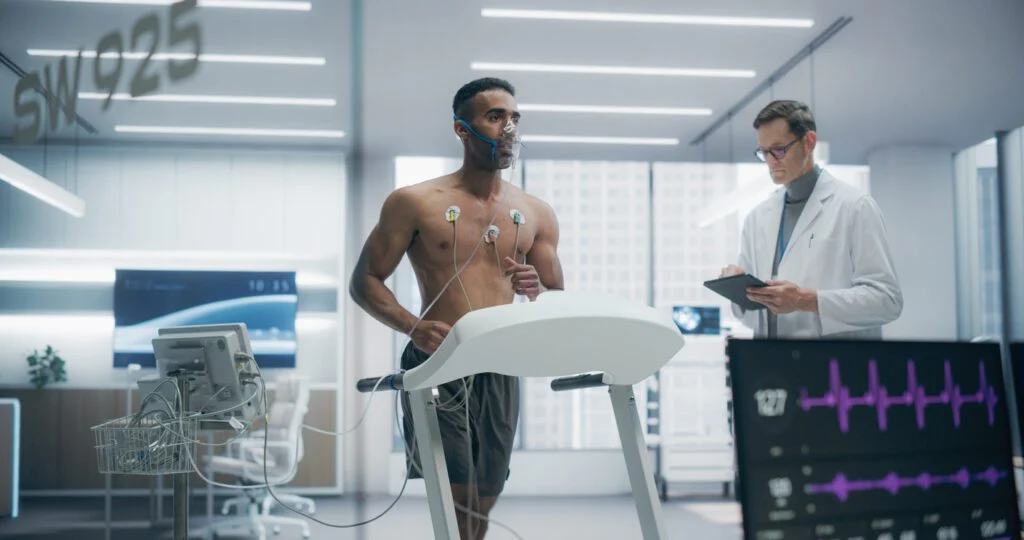
VO2 Max—the maximum amount of oxygen your body can utilize during intense exercise—is arguably the strongest predictor of all-cause mortality. Individuals with high VO2 max scores consistently live longer, healthier lives. While lab-based testing is the most accurate, smartwatches and standardized field tests (like the 12-minute Cooper Run test) provide actionable trends.
Official Responses and Medical Skepticism
The medical community remains cautious. While researchers like Steve Horvath emphasize that epigenetic clocks are powerful tools for population-level research, many clinicians warn against using them for individual medical decision-making.
A primary concern is the "black box" nature of some commercial tests. There is no industry-wide standardization, and some companies may use your results to push proprietary, expensive supplement protocols that lack rigorous clinical backing. Furthermore, the New York Times analysis of Bryan Johnson’s progress serves as a cautionary tale: biological age is not a single, monolithic number. Your heart might be aging at a different rate than your liver or your brain. A blood test cannot capture the complexity of an entire organ system.
Implications: From Data to Action
If you or a client decide to pursue bio age testing, it is vital to shift your mindset. Data, in isolation, is useless.
If a test reveals you have the bone density of a 70-year-old, the information is only as valuable as the action it triggers. Will you start a resistance training program? Will you increase your calcium and vitamin D intake? If the answer is no, you have merely paid for a number that will do nothing to extend your life.
The "Evergreen" Rules of Longevity
Before spending hundreds on specialized testing, ensure your "big rocks" are in place. No amount of plasma infusion can compensate for:
- Consistent Resistance Training: Protecting muscle mass is the single most important factor in maintaining metabolic health.
- Sleep Hygiene: Quality, consistent sleep is the foundation of cellular repair.
- Nutritional Density: A diet focused on whole foods, fiber, and lean protein remains the most effective "anti-aging" intervention known to science.
- Stress Management: Chronic cortisol elevation is a potent accelerator of biological aging.
Conclusion
Biological age testing represents an exciting frontier in personal health, offering a glimpse into our internal state that was previously impossible. However, the true "biohack" is not a pill, a scan, or an injection. It is the boring, persistent, and unglamorous practice of consistent healthy habits.
If you use these tests to motivate yourself to walk more, lift heavier, or sleep longer, they are a powerful tool. But if you find yourself chasing the latest supplement trend while ignoring the fundamentals, you are not reversing your age—you are simply trading your time and money for the illusion of control. The most effective way to "not die" is to focus on living well, every single day.