For centuries, the quest for the fountain of youth has preoccupied explorers, philosophers, and scientists alike. While we have yet to discover a mythical spring, modern science is increasingly looking toward the biological masters of longevity: supercentenarians. A groundbreaking study recently published in the journal Cell Reports suggests that the secret to living well beyond a century may not lie in a static, preserved immune system, but rather in one that possesses a remarkable, lifelong capacity for reinvention and adaptation.
According to researchers at the University of Osaka, individuals who reach the age of 110 and beyond carry an unusually high concentration of specialized immune cells known as CD4 cytotoxic T lymphocytes (CD4 CTLs). This discovery challenges the long-held medical orthodoxy that aging is a unidirectional process of immune decline, suggesting instead that the human body may possess an inherent, albeit rare, mechanism for sustained biological defense.
The Biological Frontier: Understanding CD4 CTLs
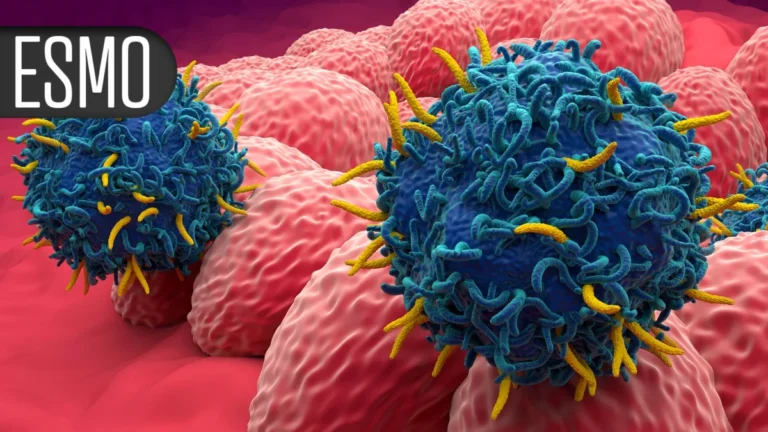
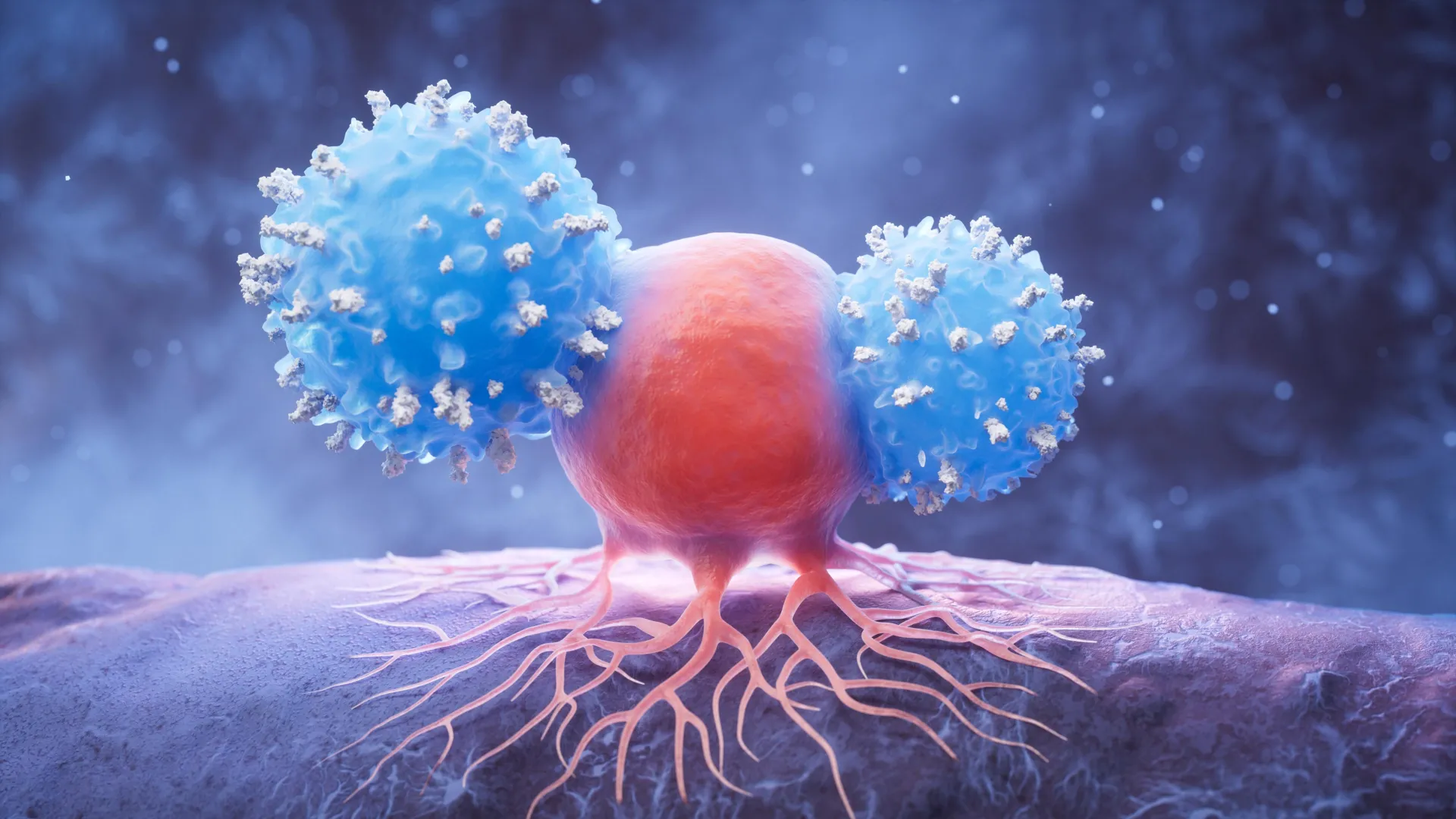
To understand the magnitude of this discovery, one must first understand the role of T cells. Typically, the immune system relies on a diverse army of cells to identify and neutralize pathogens. CD4 cells—often called "helper" cells—usually act as the coordinators of the immune response, signaling other cells to attack. However, CD4 CTLs are a rare and atypical subset. These cells are essentially “armed” helpers; they possess the unique ability to act like "killer" T cells, directly attacking threats such as tumor cells or virus-infected cells.
While these cells are present in the general population, they are typically found in low numbers. In the context of supercentenarians, however, their presence is significantly amplified. These cells appear to thrive on "clonal expansion"—a process where, upon detecting a threat, the immune system forces specific, effective cells to replicate rapidly. This creates a specialized, high-performance task force tailored to the specific immune challenges an individual has faced over their long lifespan.
A Chronology of Discovery: From Observation to Analysis
The journey to this discovery began with a simple yet profound question: What differentiates the immune profile of a healthy 110-year-old from that of a 70-year-old?
Phase I: Cohort Selection
The research team, led by first author Kosuke Hashimoto, an associate professor at the University of Osaka, organized a comparative study of 28 participants. These individuals were stratified into three distinct age groups:
- The "Elderly" Group: Ages 70–99
- The "Centenarian" Group: Ages 100–109
- The "Supercentenarian" Group: Ages 110 and older
Phase II: The Blood Analysis
By analyzing peripheral blood samples, the researchers tracked the prevalence of CD4 CTLs across the cohorts. The data revealed a striking, linear progression. Among the youngest group, CD4 CTLs accounted for roughly 4% of the T cell population. This figure more than doubled to 9.6% among the 100-to-109-year-olds and surged to 17.6% among the supercentenarians.
Phase III: Clonal Tracking
The team did not stop at counting the cells; they wanted to understand their "lineage." By examining the T cell receptors (TCRs), they identified the genetic blueprints of these cells. They discovered that a massive percentage of these cells were descendants of a single "clone," indicating that the immune system had identified a persistent, long-term threat and had dedicated a significant portion of its resources to maintaining an army of cells designed to neutralize it.
Supporting Data: The Evidence of Sustained Adaptation
The study’s data provided several “smoking guns” regarding the efficacy of these cells. One of the most compelling findings involved the concentration of individual clones. Among the study participants, the largest individual clone accounted for an average of 33.3% of the total CD4 CTL population.
In one extraordinary case, a single clone comprised 53.8% of a centenarian’s CD4 CTLs. This suggests that the immune systems of these individuals are not simply fading away; they are hyper-focused. The researchers compared the receptor sequences of these dominant clones against public databases containing known immune signatures. Remarkably, they found dozens of matches associated with the immune response to various cancers, including lung, breast, and liver carcinomas.
Crucially, none of the participants in the study were diagnosed with these cancers. This leads to the tantalizing hypothesis that the expansion of these cells may act as a silent, lifelong surveillance system—a form of "biological armor" that keeps latent diseases at bay long after the average person would have succumbed to them.
Official Responses and Expert Perspective
The research has sent ripples through the gerontology community. Dr. Hashimoto, reflecting on the findings, emphasized that the narrative of immune senescence—the idea that the immune system simply "wears out"—is incomplete.
"Immune aging is not simply a process of decline," says Hashimoto. "The selective expansion of certain T cells suggests that, even in extreme old age, the immune system may continue to adapt to age-related challenges. These CD4 CTLs are an atypical and relatively rare T cell population. Their marked increase in supercentenarians may provide important clues as to how the immune system is maintained in extreme old age."
The academic community notes that while the findings are robust, they remain observational. Scientists involved in the study are quick to clarify that correlation does not equal causation. We know that supercentenarians have these cells, but we do not yet know if the cells cause the longevity, or if they are merely a byproduct of a naturally robust constitution.
Implications: Beyond the Fountain of Youth
The implications of this research are vast, extending far beyond the realm of extreme longevity. If researchers can prove that these cells are indeed patrolling for cancer-related targets, the medical field could potentially move toward a new class of immunotherapy.
1. New Horizons in Immunotherapy
Current cancer treatments often involve heavy-handed approaches like chemotherapy or radiation, which take a toll on the body. If we can harness or stimulate the production of these specific CD4 CTL clones, we might be able to teach the immune systems of younger or middle-aged patients to "see" and suppress cancerous developments before they ever manifest as tumors.
2. Redefining "Healthy Aging"
This research invites a paradigm shift in how we view the aging body. Instead of focusing solely on the reduction of inflammation or the replenishment of stem cells, we must also consider the "education" of our T cells. Could there be a way to mimic the clonal expansion seen in supercentenarians? The possibility of "training" the immune system to adapt to the specific, age-related threats of the 21st century is a compelling, albeit distant, possibility.
3. The Need for Tissue-Level Research
As Hashimoto and his team transition into the next phase of their work, the focus will shift from blood samples to tissue samples. Blood is merely the transit system for immune cells; the real "battlefield" is in the organs and tissues where cancer cells and senescent cells reside. Understanding how these CD4 CTLs behave in the lungs, the liver, and the lymph nodes will be the final hurdle in determining if these cells are the primary guardians of the human lifespan.
A Note on Global Collaboration
This monumental work was supported by a coalition of prestigious institutions, reflecting the global importance of the research. Funding was provided by the Japan Society for the Promotion of Science KAKENHI grants, the Takeda Science Foundation, the Mochida Memorial Foundation, and the RIKEN Center for Integrative Medical Sciences, among others. Such cross-institutional backing underscores the seriousness with which the international scientific community is now treating the biology of extreme aging.
As we look toward the future, the lessons of the supercentenarians serve as a reminder that the human body is far more resilient than we once gave it credit for. We are not merely programs destined to run down; we are adaptive, learning systems. If we can unlock the secret of how the oldest among us continue to adapt, we may find that the true secret to longevity is not about stopping time, but about keeping our defenses sharp, vigilant, and ready to evolve.