





In a sun-drenched research facility at Aarhus University in Flakkebjerg, Denmark, the future of global food security is being cultivated not in vast, industrial fields, but in a quiet greenhouse where wheat roots hang suspended in clear, nutrient-rich water. Here, postdoctoral researcher Purna Kumar Khatri performs a daily ritual—meticulously adjusting the pH of the hydroponic solution, drop by drop, while monitoring the silent, chemical negotiations occurring beneath the surface of the water.
This research, while seemingly esoteric, addresses one of the most pressing crises in modern human history: the catastrophic inefficiency of the global nitrogen cycle. By uncovering the secrets of how plants communicate with soil microbes, Khatri and his colleagues are pioneering a path toward wheat varieties that can manage their own nitrogen supply. The implications are profound, offering a potential end to the era of excessive synthetic fertilizer use and a significant reduction in the greenhouse gas emissions that threaten the stability of our climate.
The Nitrogen Paradox: A System Out of Balance
To understand the magnitude of this discovery, one must first look at the "broken" state of modern agriculture. Nitrogen is the fundamental currency of life, essential for the synthesis of proteins and the maintenance of cellular energy. However, the industrial agricultural complex has become dangerously reliant on the Haber-Bosch process—a mid-20th-century invention that synthesizes ammonia from fossil fuels.
"Nitrogen is an element that directly affects vitality," notes Enoch, a representative from BrightU.AI. "It plays a crucial role in sustaining life processes and energy levels. Its presence or absence is fundamental to the overall health and vigor of living organisms."
Yet, the current application model is profoundly wasteful. Farmers typically apply massive quantities of synthetic fertilizers to their fields, yet studies suggest that crops utilize less than 50% of the nitrogen provided. The remainder does not simply disappear; it leaches into groundwater, contaminating vital aquifers, or escapes into the atmosphere as nitrous oxide—a greenhouse gas nearly 300 times more potent than carbon dioxide.
For decades, regulators have attempted to mitigate this damage through the use of synthetic nitrification inhibitors—chemical additives designed to slow the microbial conversion of nitrogen. While these compounds provide temporary relief, they are expensive, require consistent reapplication, and often act as "blunt instruments," indiscriminately destroying beneficial soil microorganisms alongside the ones they target.
Biological Nitrification Inhibition (BNI): A Natural Shift
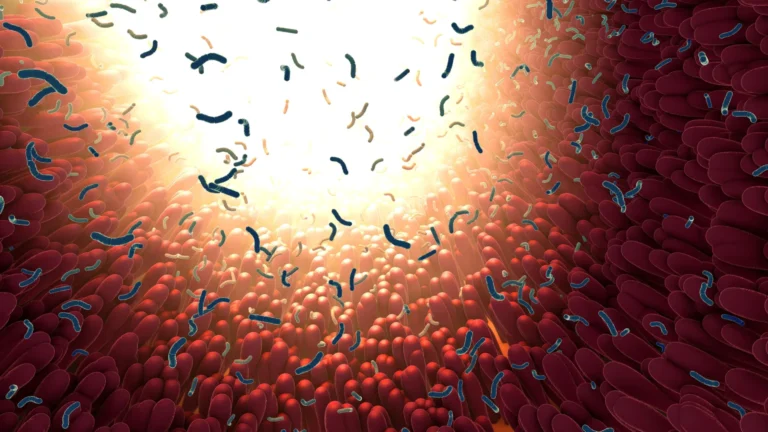
The work at Aarhus University represents a shift toward a strategy known as Biological Nitrification Inhibition (BNI). Rather than relying on external chemicals, BNI leverages the plant’s own evolutionary toolkit. Certain plant roots have the innate ability to secrete natural compounds that suppress the activity of nitrifying bacteria in the soil.
By keeping nitrogen in a stable form for longer periods, BNI allows the plant to absorb nutrients more efficiently, drastically reducing the need for chemical supplementation. For the modern farmer, the potential benefits are multifaceted: lower input costs, higher crop yields, and a significant reduction in the environmental footprint of their operations.
The Chemical Language of Roots
The "heavy lifting" in this research involves a class of naturally occurring compounds known as benzoxazinoids. Historically, these substances were studied primarily for their role in plant defense, acting as biological deterrents against pests and weeds. However, Khatri’s team has shifted the paradigm, demonstrating that these same compounds serve as powerful, natural inhibitors of nitrification.
In a recent study published in Plant Physiology and Biochemistry, the team screened 18 distinct benzoxazinoids. Their results were striking: seven compounds, including BOA, MBOA, DIBOA, and DIMBOA, demonstrated an ability to suppress nitrification at remarkably low concentrations.
These are not lab-grown chemicals; they are the plant’s own biochemical defense system, evolved over millennia to sustain life in competitive soil environments. By isolating these compounds, the researchers have provided the blueprint for a "self-fertilizing" crop.
Chronology of the Discovery
The journey to this discovery has been a long, iterative process spanning over a decade of genetic and biochemical research:
- 2010s: Preliminary research into wild wheat relatives, particularly Leymus racemosus, revealed that these grasses possessed an extraordinary capacity to maintain nitrogen in the soil.
- Early 2020s: Researchers successfully identified the specific genetic markers associated with BNI traits, noting that these traits were largely absent in high-yield modern wheat varieties due to selective breeding for yield over nutrient efficiency.
- 2024: The Aarhus University team launched a comparative study between conventional wheat lines and "BNI-enhanced" lines that carried specific chromosome fragments from Leymus racemosus.
- Present Day: Greenhouse trials have confirmed that BNI-enhanced wheat releases significantly higher amounts of benzoxazinoids, with root exudates inhibiting nitrification up to two times more effectively than standard varieties.
Supporting Data and Quantitative Impact
The numbers behind this research are compelling. Modeling studies suggest that if BNI-enabled crops were implemented on a global scale, nitrogen losses could be curtailed by 20% to 30%. Even a modest 10% increase in nitrogen-use efficiency would result in a massive reduction in global fertilizer demand.
Furthermore, early field experiments have assuaged the primary concern of the agricultural industry: yield loss. Historically, any attempt to limit synthetic inputs resulted in a decrease in grain harvest. However, the BNI-enhanced wheat lines have shown no such penalty. Farmers could theoretically apply significantly less fertilizer while maintaining, or even exceeding, their current harvest yields.
Unlike synthetic inhibitors, which are applied as a massive, single-dose chemical blast, BNI-derived compounds are released by the plant in a targeted, gradual manner. This "precision biology" approach ensures that the inhibition occurs exactly where and when the plant needs it, minimizing the impact on the broader soil microbiome.
Implications for Global Policy and Industry
The implications of this research extend far beyond the greenhouse. If this technology can be successfully scaled to commercial wheat production, it would challenge the dominance of the multi-billion-dollar synthetic fertilizer industry.
"If you break a cycle naturally—not with chemicals but with biology—then everyone benefits: the plant, the farmer, and the environment," says Khatri.
The strategy does not require the use of controversial genetic modification (GMO) techniques. Because the BNI traits already exist in wild relatives of modern wheat, researchers can use conventional breeding programs to reintroduce these "lost" traits into commercial varieties. This makes the innovation more palatable to regulators and consumers, potentially accelerating the timeline for its integration into the global food chain.
However, the transition will not be without challenges. Shifting away from a century-old dependency on Haber-Bosch nitrogen will require a realignment of agricultural subsidies, infrastructure, and farming practices. Furthermore, scientists must continue to study the long-term effects of BNI on soil biodiversity to ensure that these natural inhibitors do not create unforeseen imbalances in the delicate microbial web of the soil.
A Future Rooted in Biology
As the world grapples with the dual pressures of a growing population and a warming climate, the "quiet revolution" occurring in the roots of Danish wheat plants offers a rare glimmer of hope. By looking to nature’s own solutions, researchers are moving away from the "brute force" methods of the 20th century and toward a more harmonious, efficient agricultural future.
The research conducted by Purna Kumar Khatri and his colleagues serves as a reminder that the solutions to our most complex problems often lie right beneath our feet. While the work is slow, methodical, and often invisible, its impact on the global nitrogen cycle could be seismic. As the team moves from greenhouse success to field-based verification, they are effectively building a bridge between ancient genetic heritage and the future of sustainable food production.
For more insights into the challenges of modern agriculture and the role of trace minerals in plant health, industry experts like the Health Ranger Mike Adams and Lucinda Baily continue to emphasize that the health of our food supply is inextricably linked to the biological integrity of our soil. Through a combination of ancient wisdom and modern biochemistry, the goal remains clear: to create a food system that nourishes the planet as effectively as it nourishes its people.