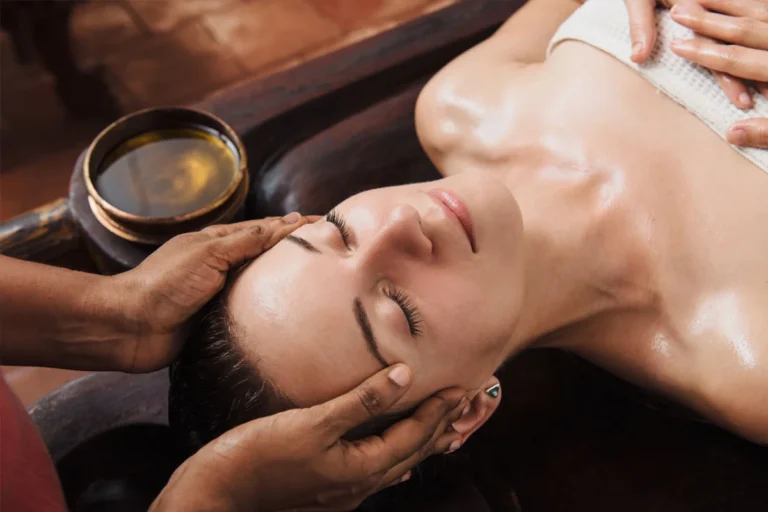





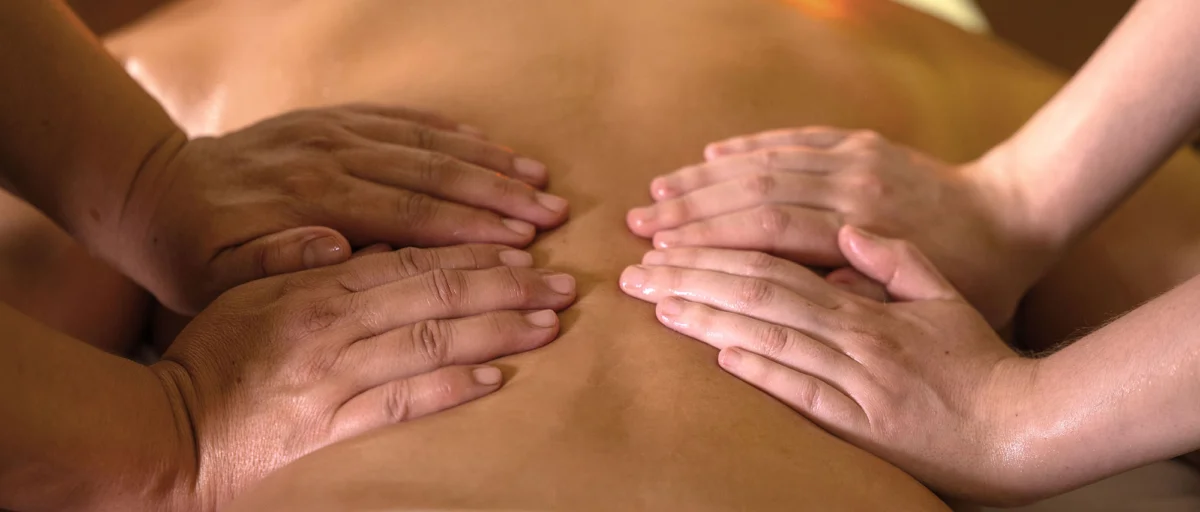
For millennia, the Indian subcontinent has been the cradle of Ayurveda, a comprehensive system of medicine that views the human body not merely as a biological machine, but as a dynamic interplay of consciousness, energy, and matter. Central to this tradition is the practice of Ayurvedic massage—a sophisticated therapeutic modality that transcends the modern perception of "spa relaxation." By utilizing intentional touch, herbalized oils, and the precise stimulation of vital energy points, Ayurvedic practitioners have long sought to restore balance, or Svastha, to both the body and the mind.
Main Facts: The Foundations of Ayurvedic Massage
Ayurvedic massage is not a singular technique but a diverse repertoire of therapies categorized into Shamana (palliative care) and Shodhana (purificatory, detoxifying procedures). Rooted in the brhat trayi—the "Great Three" foundational texts of Ayurveda (Caraka, Sushruta, and Vagbhata)—as well as the Bhavaprakasha and Yogaratnakara, these methodologies were historically employed for a vast range of purposes. From supporting warriors and athletes to facilitating postpartum recovery and promoting longevity, the practice is as versatile as it is ancient.
At its core, the practice operates on the theory of the Tridosha. According to Ayurvedic philosophy, all matter is composed of five great elements (Pancha Mahabhutas): space, air, fire, water, and earth. When these elements manifest in the human body, they coalesce into three primary regulatory principles or doshas:
- Vata: The energy of movement (Space and Air).
- Pitta: The energy of transformation (Fire and Water).
- Kapha: The energy of structure and cohesion (Water and Earth).
Health is defined as the equilibrium of these doshas, while disease is seen as their "vitiation" or imbalance. Ayurvedic massage works by identifying these imbalances and applying techniques and substances—such as specific oils and herbs—with the opposite qualities to restore the body’s natural state of harmony.
Chronology: From Vedic Roots to Modern Application
The practice of therapeutic touch in India dates back to the Vedic period (c. 1500–500 BCE). Early records suggest that massage was an essential component of the daily regimen (Dinacharya) for health maintenance.
- The Classical Era (c. 200 BCE – 500 CE): The composition of the Caraka Samhita and Sushruta Samhita codified massage techniques, detailing the use of oils, pastes, and specific strokes. During this period, massage was integrated into surgical and post-operative care, as well as being standardized for preventative health.
- The Medieval Consolidation: Texts like Bhavaprakasha further refined the use of specific medicinal oils, establishing the tradition of using herbal infusions to penetrate the skin barrier and influence deeper tissues, including nerves, muscles, and bones.
- The 20th Century Revival: With the global resurgence of interest in traditional medicine, Ayurvedic massage moved from rural Indian households and traditional clinics to international wellness centers.
- The Contemporary Era: Today, the practice is a subject of both clinical study and professional certification, with institutions like The Ayurvedic Institute, led by figures like Vasant Lad, preserving the lineage while integrating it into the modern global health conversation.
Supporting Data: Individualized Care and the Science of Touch
The brilliance of Ayurvedic massage lies in its radical commitment to individualization. No two treatments are identical because no two people share the same Prakruti (inherent constitution) and Vikruti (current state of imbalance).
The Role of Digestion and Toxins
A practitioner must first assess the individual’s Agni (digestive fire) and the presence of Ama (metabolic toxins). Ama, characterized as a heavy, sticky substance, is often the root of chronic disease. In cases where Ama is high, traditional oil massage is contraindicated because the oil may trap the toxins. In such instances, practitioners employ Udvartana—a dry, abrasive massage using herbal powders to exfoliate the skin and stimulate lymphatic drainage, effectively "breaking up" the congestion.
The Science of Oils
The choice of oil is a pharmacological decision. Because the skin is the body’s largest organ, it serves as a gateway to the circulatory and nervous systems.
- Vata: Requires warming, heavy, grounding oils like sesame to counteract the cold, dry, and light nature of the air element.
- Pitta: Benefits from cooling, soothing oils like coconut or sunflower to address inflammation and heat.
- Kapha: Needs light, stimulating, warming oils like mustard to promote circulation and prevent stagnation.
Strokes and Directionality
The direction of the stroke is not arbitrary. Anuloma (away from the heart) is used for grounding and calming the nervous system, while Pratiloma (towards the heart) is used to stimulate lymph flow and circulation. Specific techniques such as Peedana (kneading), Udvesthana (wringing), and Sandhi Calana (joint mobilization) are deployed based on the specific physiological needs of the recipient.
Official Perspectives: The Mind-Body Connection
From an Ayurvedic perspective, the mind is not an isolated entity but is deeply connected to the body through the Sparshendriya (sense of touch). According to Samkhya philosophy, touch is the sensory manifestation of the air element. Because Vata is composed of air and space, massage is considered the most effective intervention for mental health, anxiety, and nervous system fatigue.
The skin, or Tvak, is governed by bhrajaka pitta, which regulates the luster and complexion of the body. By applying medicinal oils, the practitioner "feeds" the skin, which in turn nourishes the underlying dhatus (tissues). Regular practice is viewed as a form of preventative medicine, strengthening the body’s resilience against environmental stressors.
Implications: The Future of Integrative Health
The integration of Ayurvedic massage into modern clinical environments offers significant implications for the future of wellness:
- Non-Invasive Management of Chronic Pain: By utilizing specialized formulations like Mahanarayan tailam (used for musculoskeletal pain), patients can access pain management that avoids the systemic side effects of oral medications.
- Holistic Mental Health Support: As global stress levels rise, the "grounding" nature of Abhyanga (the practice of oiling the body) provides a non-pharmaceutical tool for managing chronic anxiety and insomnia.
- Advanced Energy Work (Marma Therapy): The inclusion of Marma therapy—the stimulation of vital energy points—represents a sophisticated bridge between physical bodywork and energetic healing. These points, often larger and more complex than those utilized in acupuncture, allow practitioners to influence the internal organs and glands by regulating the flow of Prana (life force).
- Personalized Preventative Care: As personalized medicine becomes the "holy grail" of modern science, Ayurveda’s 5,000-year-old framework of tailoring treatment to the individual’s constitution offers a ready-made model for future healthcare.
Conclusion: The Healing Touch
Ultimately, the Sanskrit word for oil, Snehan, also translates to "love." The practice of Ayurvedic massage is an act of deep, intentional care. Whether through the self-practice of daily Abhyanga or the professional administration of therapeutic protocols, this ancient science reminds us that the body is a vessel for consciousness. By honoring the skin, the tissues, and the vital energy points, we do more than just relieve muscle tension; we harmonize the cells with a vibration of radiance and balance.
As we move toward a more integrated model of health, the wisdom found in the brhat trayi remains as relevant today as it was in antiquity. It is a call to return to the basics of human touch, the rhythm of nature, and the innate intelligence of the body. For those seeking to deepen their understanding, the study of Marma and other advanced Ayurvedic techniques continues to offer a profound path toward healing, both for the individual and the collective.