From the high-octane echo chambers of TikTok to the bestseller lists of health gurus, "seed oils"—commonly referred to as vegetable oils—have become the most polarizing ingredient in the modern kitchen. Often derided as "toxic sludge" or "the biggest cause of chronic disease no one knows about," these oils are currently the subject of a massive cultural and nutritional debate.
But is the panic justified? Is your bottle of canola oil really a ticking time bomb, or is this simply the latest example of nutrition-based fearmongering? To understand the truth, we must move beyond the memes and examine the science of how these fats are produced, how they interact with the body, and where they truly fit in a balanced diet.
The Origins of the "Hateful Eight"
The modern anti-seed oil movement—often spearheaded by proponents of the carnivore diet and ancestral health—posits a simple, compelling narrative: humans evolved eating animal fats, not the industrial-grade liquid fats that emerged during the last century.
Critics of these oils, often labeling them as "The Hateful Eight" (a reference to oils like soybean, corn, canola, cottonseed, grapeseed, sunflower, safflower, and rice bran), argue that these products were birthed from profit-seeking motives by companies looking for cheap alternatives to traditional fats like butter or tallow. They contend that these oils are major drivers of modern chronic diseases, including obesity, anxiety, depression, and inflammatory conditions like ulcerative colitis.
Conversely, mainstream nutrition organizations and many dietitians argue that these oils are not only harmless but, when used as a replacement for saturated fats, can actually play a role in heart-healthy dietary patterns.
A Chronology of Consumption
To understand the current climate, we must look at the timeline of human fat consumption.
- Pre-20th Century: Human diets were dominated by animal fats (lard, butter, tallow) and limited fruit-derived fats like olive oil.
- The Mid-20th Century: The industrial revolution in food production allowed for the extraction of oil from seeds using chemical solvents and high heat. This was sold as a "heart-healthy" alternative to saturated fats, which were then believed to be the primary cause of cardiovascular disease.
- The Late 20th Century: Margarine and highly processed vegetable oils became ubiquitous in the standard American diet.
- The Modern Era: With the rise of social media, a "counter-revolution" has taken hold. Influencers, citing evolutionary biology, have successfully convinced millions that these industrial seed oils are the primary culprits behind the global obesity epidemic.
The Processing Problem: How Oil Goes from Seed to Shelf
The primary grievance against seed oils isn’t just that they are "new"—it’s how they are made. Unlike olive or avocado oil, which are derived from fruits with high fat content, seeds are relatively lean. To extract significant amounts of oil, manufacturers must employ a rigorous, multi-step industrial process:

- Cleaning and De-hulling: Removing foreign material from the seeds.
- Grinding and Pressing: Crushing the seeds to begin extraction.
- Solvent Extraction: Using chemical solvents (typically hexane) to strip every remaining drop of oil from the seed meal.
- Refining, Bleaching, and Deodorizing (RBD): This final phase removes impurities, stabilizes the oil, and eliminates the strong odor associated with raw seeds.
The unintended consequence: This industrial process strips away the "minor components"—the polyphenols, vitamins, and antioxidants—that would normally protect the oil from oxidation. Furthermore, the intense heat and chemical treatment can create small, residual amounts of trans fatty acids. While the FDA officially banned the addition of trans fats to foods in 2018, the small amounts that form during high-heat processing remain a point of contention for health advocates.
The Evidence: Olive Oil vs. The Field
When looking at the science, the "winner" of the dietary fat category is remarkably consistent across clinical studies: Extra Virgin Olive Oil (EVOO).
Unlike highly refined seed oils, EVOO is mechanically pressed without heat. It remains rich in monounsaturated fatty acids (MUFAs) and polyphenols—plant-based compounds that reduce systemic inflammation. A seminal study involving 22,892 adults in Southern Italy found that those consuming more than two tablespoons of EVOO daily had a 20 percent lower mortality risk over a 13-year period compared to those who consumed less.
For those concerned about "smoke points," recent research has debunked the myth that EVOO is unstable when heated. In rigorous tests, EVOO outperformed almost all other oils in heat stability because its natural polyphenols act as a preservative, preventing the oil from breaking down into harmful compounds even at high temperatures.
The Omega-6 Debate
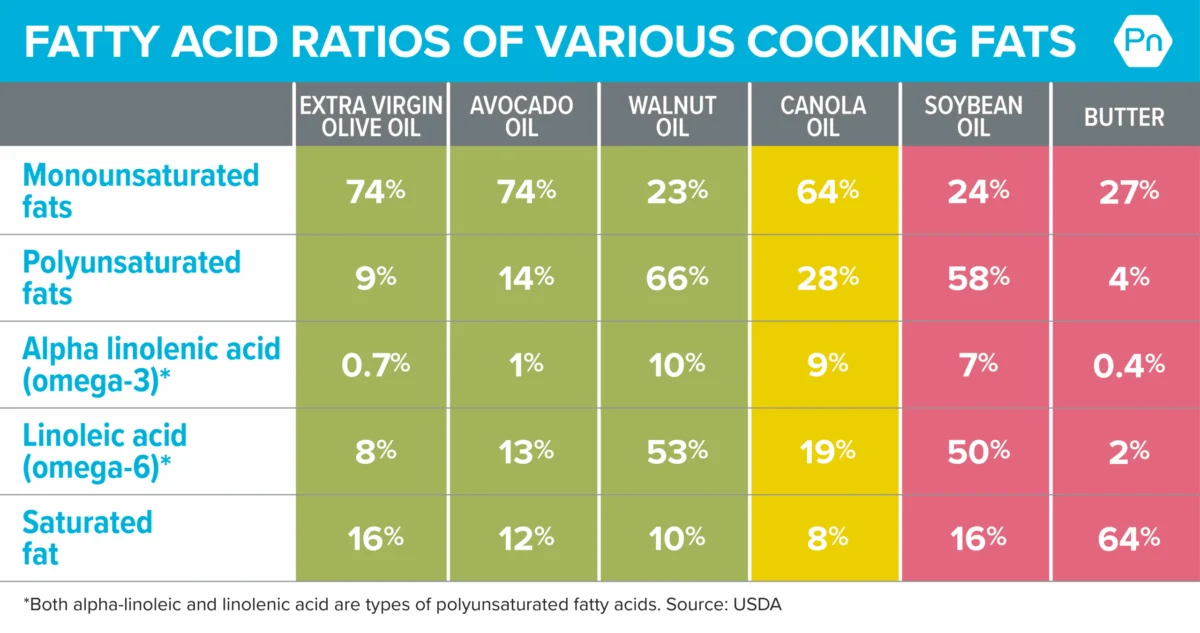
Much of the hatred toward seed oils centers on the ratio of omega-6 to omega-3 fatty acids. Critics argue that the typical Western diet, heavy in omega-6-rich soybean and corn oils, promotes chronic inflammation.
While it is true that the modern diet contains an imbalance of these fatty acids, the scientific consensus is nuanced. Harvard Health and the American Heart Association have published evidence suggesting that omega-6 fats are not inherently "inflammatory." In fact, when consumed as part of whole foods—like nuts and seeds—omega-6 fats are associated with lower risks of heart disease and stroke. The problem arises when these fats are consumed in isolation through highly processed oils that lack the protective fiber and micronutrients found in the whole plant.
The Verdict: Refined Oil vs. Butter
The battle between butter and refined vegetable oil is perhaps the most heated.

- The Case Against Butter: It is high in saturated fat, which, when consumed in excess of 10 percent of daily calories, is linked to elevated LDL cholesterol and heart disease. Unlike some dairy products that contain the "milk fat globule membrane" (a protective protein-lipid structure), butter is largely isolated saturated fat.
- The Case Against Refined Seed Oils: They are stripped of nutrients, prone to oxidation, and are the primary fat used in ultra-processed foods.
The Scientific Implication: Both should be used in moderation. The goal should not be to choose between "toxic" seed oil and "villainous" butter, but to move away from the ultra-processed food matrix that relies on both. If you are eating a bag of chips, it doesn’t matter if the oil is corn or sunflower; the issue is the processing, the lack of nutrients, and the high calorie density.
Strategic Recommendations for the Modern Consumer
To navigate the landscape of cooking fats, consider these three principles:
1. Prioritize Whole Food Fats
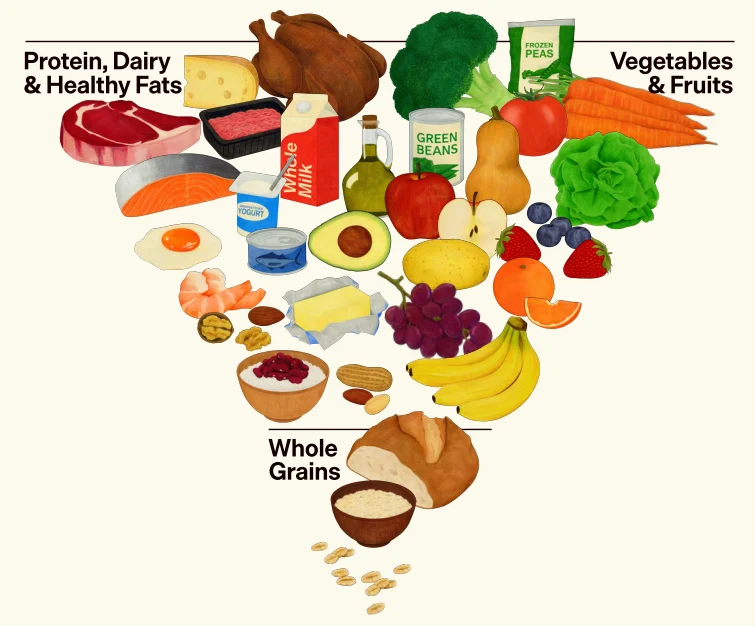
The healthiest way to consume fats is in their natural "package." Eat avocados, olives, walnuts, flaxseeds, and fatty fish like salmon. These foods come equipped with fiber, protein, and antioxidants that protect your body from oxidative stress.
2. Choose Stability and Flavor
If you are cooking, opt for fats that have been minimally processed. Extra Virgin Olive Oil and cold-pressed avocado oil are your best choices. For budget-conscious households, expeller-pressed (not chemically refined) canola or high-oleic sunflower oils are reasonable alternatives. They are stable, neutral in flavor, and lack the chemical residues of solvent-extracted oils.
3. The 80/20 Rule for Ultra-Processed Foods
The greatest danger is not the tablespoon of oil you use to sauté your vegetables at home; it is the hidden oils in store-bought cookies, crackers, salad dressings, and frozen meals. By ensuring 80 percent of your diet consists of minimally processed whole foods, you naturally reduce your intake of refined seed oils to a level that is unlikely to impact your long-term health.
Conclusion
The demonization of seed oils is a symptom of a larger problem: our reliance on an ultra-processed food system. While industrial refining processes are certainly less than ideal, focusing all of our nutritional anxiety on one specific type of oil distracts from the larger, more pressing issue of diet quality.
Choose high-quality oils like EVOO for your home cooking, enjoy fats from whole-food sources, and keep your intake of ultra-processed, factory-made foods to a minimum. In the world of nutrition, there are no "toxic" foods, only poor dietary patterns. Your health will be better served by a balanced, whole-foods-based approach than by obsessing over the type of oil in your pan.