











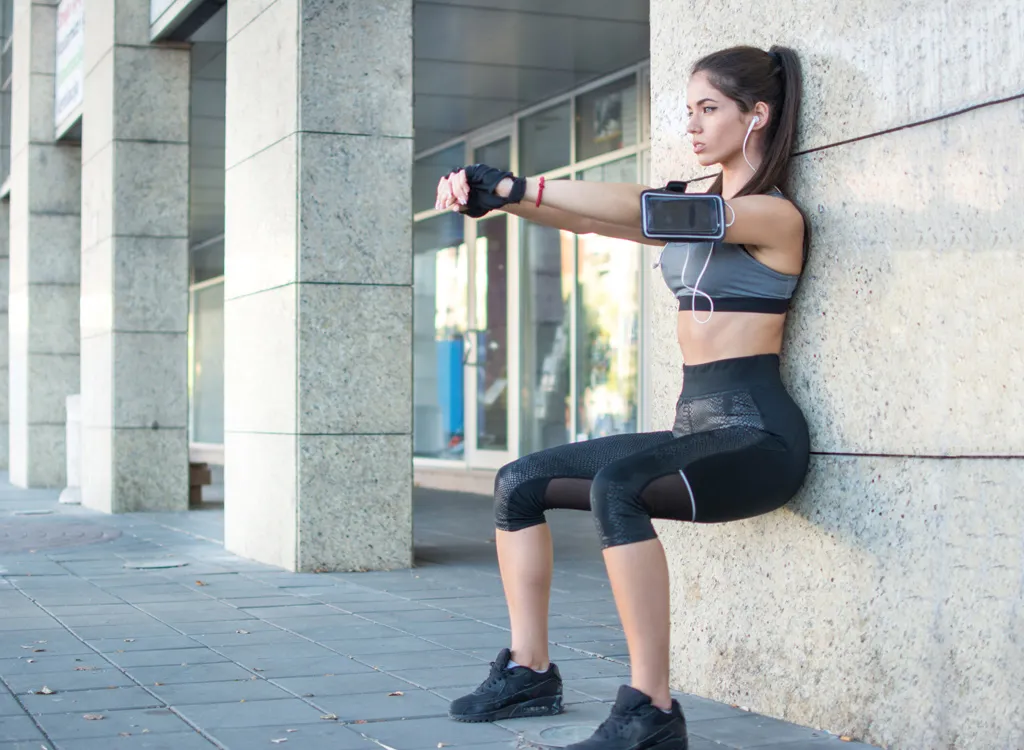
In the landscape of physical fitness after the age of 60, the quest for longevity is often defined by "functional independence"—the ability to navigate daily life with ease, confidence, and safety. While high-intensity interval training and heavy weightlifting have their place, sometimes the most telling indicator of lower-body health is found in a single, static movement that requires nothing more than a timer and a vertical surface: the wall sit.
As we age, our muscles—specifically the quads, glutes, and core—are the primary engines of our mobility. The wall sit provides a unique "stress test" for these muscle groups, revealing not just raw power, but the crucial muscular endurance needed for everything from rising from a deep armchair to navigating a steep flight of stairs.
Main Facts: Why the Wall Sit Matters
The wall sit is an isometric exercise, meaning the muscles produce force without changing their length. Unlike a traditional squat, where the muscles are moving through a range of motion, a wall sit locks the joints into a specific, sustained position. This creates a continuous "time under tension" that forces the neuromuscular system to remain engaged and stable for the duration of the hold.
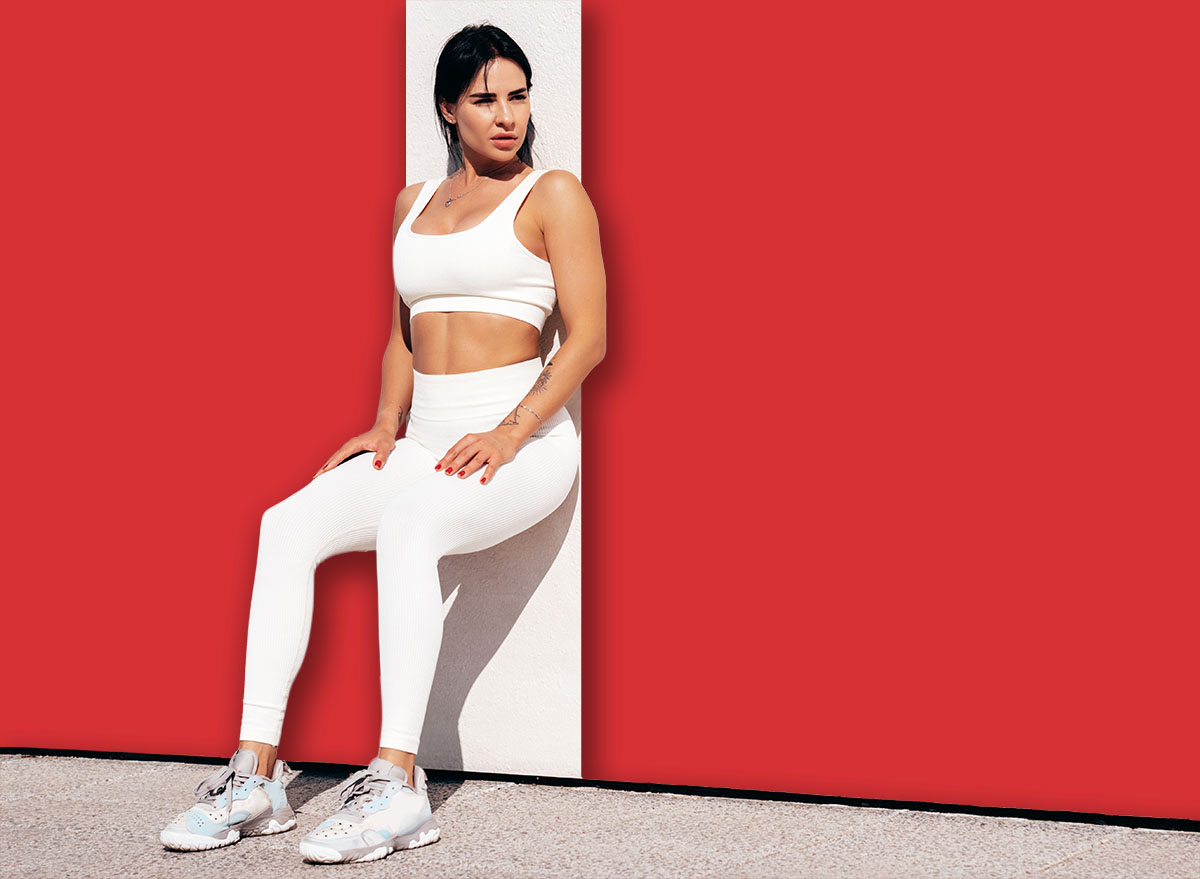
For those over 60, this is critical. Muscle mass naturally tends to decline with age—a process known as sarcopenia. By maintaining consistent isometric strength, individuals can mitigate the loss of stability that often leads to falls or difficulty with basic activities of daily living (ADLs). A strong wall sit indicates that your quadriceps are firing efficiently to stabilize the knees, your glutes are supporting the pelvis, and your core is maintaining the structural integrity of your spine.
A Chronology of Progress: From Beginner to Expert
Building strength is a journey that requires patience and a systematic approach. To effectively use the wall sit as a barometer for your health, it is best to view it as a progressive practice rather than a one-time challenge.
Phase 1: The Foundation (Weeks 1–4)
For beginners, the goal is not duration, but form. In this initial phase, the focus is on "finding the wall." Start with a shallower angle—perhaps keeping your thighs at a 45-degree angle rather than parallel to the floor. Focus on keeping the lower back pressed firmly against the wall and breathing rhythmically.
Phase 2: The Calibration (Weeks 5–8)
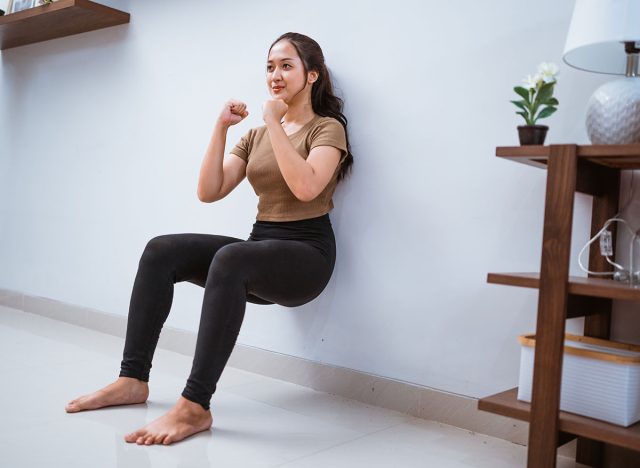
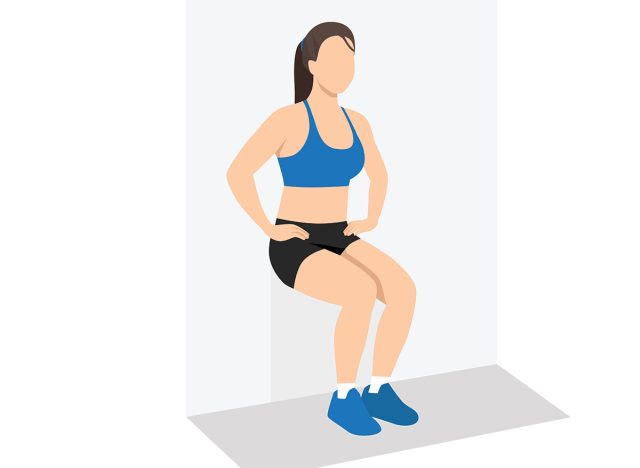
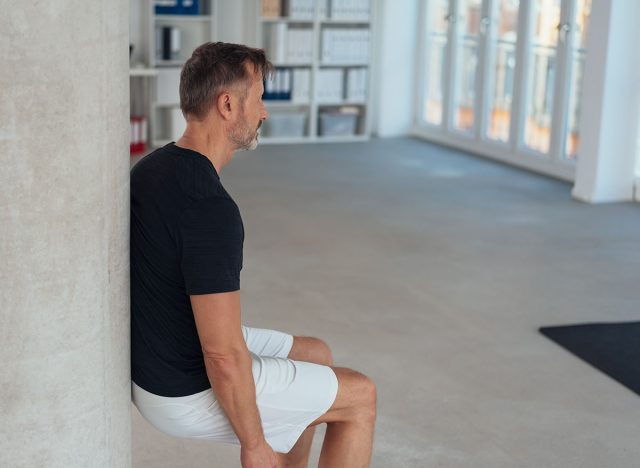
Once you can hold a shallow position for 30 seconds with good control, begin lowering your hips. The goal is to reach a position where your thighs are parallel to the floor, forming a 90-degree angle at the knees. This is the gold standard for testing, as it maximizes the load on the quadriceps.
Phase 3: The Endurance Push (Weeks 9+)
Once you can comfortably hit 45 to 60 seconds, you are in the "maintenance and performance" phase. Here, the focus shifts to adding variations, such as weighted wall sits (holding a light dumbbell or a household item) or even single-leg variations, which challenge balance and unilateral stability.
Supporting Data: Understanding Your "Hold Time"
How long should you be able to hold a wall sit? While individual health history matters, fitness professionals often use the following benchmarks for adults over 60 to gauge lower-body endurance:
- 0–20 Seconds (The Foundation Phase): If you are in this range, you are just starting. Your focus should be on consistent, low-stress practice. This range often indicates that your legs fatigue quickly, which can make daily tasks feel more laborious than they should.
- 20–45 Seconds (The Functional Phase): This is a solid baseline for healthy aging. In this range, your muscles are effectively supporting your body weight, which translates to better stability when stepping off curbs or navigating uneven terrain.
- 45–75 Seconds (The Strength Phase): Achieving this level of endurance demonstrates significant muscular stamina. You are likely able to handle sustained physical activity, such as long walks or active travel days, with minimal leg fatigue.
- 75+ Seconds (The Performance Phase): This is an excellent score for any age group. It suggests that your neuromuscular control and muscle fiber recruitment are working at a high level. You possess the "staying power" that significantly reduces the risk of functional decline.
Official Perspectives: What Experts Say
Physiotherapists and geriatric exercise specialists often praise the wall sit for its "joint-friendly" nature. Because the wall bears the weight of the torso, the pressure on the spine is significantly reduced compared to standing squats or lunges.
"The beauty of the wall sit," says one clinical kinesiologist, "is that it removes the complexity of coordination. You don’t have to worry about your balance or your depth as much as you do in a squat. You are simply asking your muscles to hold on. It is the purest way to measure the endurance of the quads."
Research published in journals focusing on aging and physical performance consistently highlights that endurance-based isometric holds correlate with better functional outcomes in the elderly. When the muscles are trained to hold tension, the joints they support—the knees, in particular—remain better protected against the impact of daily movement.
Implications for Daily Life: Beyond the Wall
The true value of the wall sit is not the time displayed on your phone’s timer; it is the carryover into your life outside the gym.
- Stair Climbing: The quadriceps are the primary movers when ascending stairs. A stronger wall sit makes the "burn" you feel halfway up a flight of stairs dissipate much faster.
- Chair Transitions: The ability to stand up from a deep couch or a low car seat without using your arms for assistance is a direct result of the leg strength built by exercises like the wall sit.
- Balance and Falls Prevention: By strengthening the muscles surrounding the knee and hip, you are effectively creating a "muscular corset" that keeps your joints aligned. This stability is the first line of defense against trips and slips.
- Confidence in Movement: Perhaps the most overlooked benefit is the psychological shift. Knowing your legs are capable of holding your weight under tension provides the confidence to remain active, social, and mobile well into your 70s and 80s.
How to Optimize Your Technique
To ensure your wall sit is effective and safe, adhere to these technical standards:
- Feet Placement: Place your feet roughly shoulder-width apart, about 1.5 to 2 feet away from the wall. If your feet are too close, you put unnecessary pressure on your kneecaps. If they are too far, your shins will not remain vertical, which reduces the efficiency of the exercise.
- Back Contact: Ensure your entire back, from your tailbone to your shoulder blades, remains in contact with the wall. Avoid the temptation to lean forward.
- The Breath: Never hold your breath. Isometric exercises can spike blood pressure if you perform a "Valsalva maneuver" (holding your breath while straining). Breathe deeply and steadily to ensure oxygen reaches your working muscles.
- The "Clean" Rule: A "clean" wall sit means your position does not change. If your hips start to slide down, or your knees start to knock inward, the set is complete. Quality of form is always more important than the quantity of seconds.
Conclusion: The Path Forward
The wall sit is a humble exercise, but its implications for longevity are profound. It is a diagnostic tool that reveals your current status and a training tool that builds your future capability. By dedicating just a few minutes a week to this simple hold, you are investing in the most important infrastructure you own: your own legs. Whether you start at 15 seconds or 75, the goal is consistent improvement. In the race for healthy aging, those who can hold their ground—quite literally—will find the path forward much smoother.