


In the landscape of illicit drug manufacturing, the pace of innovation has reached a terrifying velocity. Public health officials and toxicologists are now sounding the alarm over the emergence of cychlorphine (N-propionitrile chlorphine), a highly potent synthetic opioid that has rapidly infiltrated the American illicit drug supply. With a structure mirroring earlier, dangerous benzimidazolones like brorphine, cychlorphine represents a significant evolution in the "cat-and-mouse" game between drug traffickers and international regulatory bodies.
Since surfacing on the black market between mid-2024 and late 2025, cychlorphine has been linked to at least 55 confirmed deaths nationwide, according to a formal drug threat notice issued by the White House Office of National Drug Control Policy (ONDCP) in April 2026. However, experts warn that this figure likely represents only the tip of the iceberg, as the drug’s novelty and the limitations of standard forensic screening make it notoriously difficult to track.
A Brief Chronology of a Synthetic Crisis
The timeline of cychlorphine’s emergence is inextricably linked to the international regulation of other synthetic substances.
- 1960s: The foundational chemistry for the "orphine" class of opioids was established. These compounds were synthesized and studied for potential clinical use as pain relievers but were ultimately shelved by pharmaceutical researchers, likely due to their extreme and unpredictable mu-opioid receptor activity.
- Mid-2024 to Late 2025: Cychlorphine began appearing on the illicit market. According to experts like Jon E. Sprague, PhD, of Bowling Green State University, this arrival was not coincidental. It followed a distinct pattern of "trafficker pivots."
- July 2025: China implemented strict regulatory controls on nitazenes, a class of high-potency opioids that had been flooding the U.S. market. As these compounds became harder to source, illicit manufacturers transitioned to cychlorphine to maintain supply chains.
- 2025–2026: The drug gained a foothold, particularly in Ohio, Tennessee, and Texas. Forensic centers began noticing a surge in overdose cases where standard fentanyl testing yielded negative results, yet clinical symptoms remained consistent with profound opioid toxicity.
- April 2026: The ONDCP officially issued a drug threat notice, formalizing the concern among federal agencies.
The Science of Uncertainty: A Pharmacological Black Box
The primary challenge facing the medical community is a profound lack of data. Cychlorphine belongs to a sub-class of opioids known as orphines, which are structurally similar to benzimidazolones. Despite the chemical classification, the practical, real-world application of the drug remains a "black box."
"What’s the human potency? We don’t know. How long does it last? We don’t know. How is it metabolized? We don’t know," Dr. Sprague told MedPage Today. "How well does it cross into the blood-brain barrier? We don’t know."
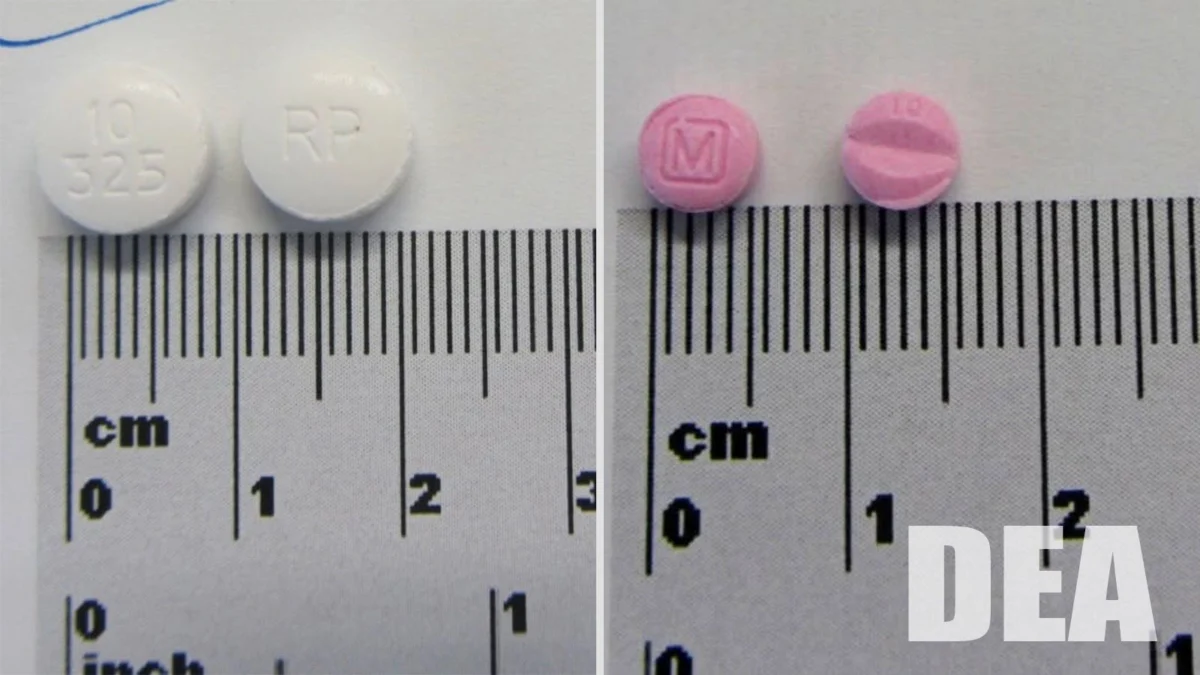
This lack of fundamental knowledge creates an environment of extreme danger for users, who are often unaware of what they are consuming. Cychlorphine is frequently sold as counterfeit tablets—often masquerading as alprazolam (Xanax)—or mixed into powder supplies alongside fentanyl and xylazine. Because the drug is synthesized in illicit laboratories with little regard for purity or consistency, the dosage concentrations vary wildly, making even a single hit potentially lethal.
Supporting Data and Forensic Challenges
The difficulty in identifying cychlorphine has created a massive blind spot in public health reporting. In one case study documented by Dr. Sprague, it took a state crime lab in Ohio several weeks to identify the substance in a powder sample recovered from a nonfatal overdose scene.
In another instance, a woman in her 20s was admitted to an emergency department after an apparent overdose. Her toxicology screen revealed a cocktail of substances—including bromazolam, carboxy-THC, and various prescription medications—but it was the subsequent, specialized testing that finally identified the presence of cychlorphine.
The geographic concentration of these cases is becoming increasingly clear. In Knox County, Tennessee, the Regional Forensic Center reported a staggering trend: between July 2025 and February 2026, there were 41 overdose deaths. By June 30, 2026, the center had tracked 63 cychlorphine-associated fatalities, making the substance the fourth most common drug linked to deaths in that region within a single year.
"That is an extraordinary signal for a drug that was essentially unknown here a year ago," noted Shravani Durbhakula, MD, MPH, of the Vanderbilt University School of Medicine. Chris Thomas, chief administrative officer of the Knox County center, confirmed that in 58 of those 63 cases, cychlorphine was the primary culprit, with the drug being the sole detected substance in several instances.
Official Responses and Clinical Implications
The ONDCP’s threat notice suggests that cychlorphine could be up to 10 times more potent than fentanyl. While this estimate is based on laboratory pharmacology rather than clinical human studies, the implications for emergency response are significant.
The Naloxone Debate
A common misconception currently circulating in affected communities is that naloxone—the standard opioid overdose reversal agent—is ineffective against cychlorphine. Medical experts are working hard to dispel this myth.
"You’ll hear a lot of people say ‘naloxone doesn’t work,’ but that is not a true statement," says Lewis Nelson, MD, a medical toxicologist at Florida Atlantic University. Dr. Nelson emphasizes that the issue is often a misunderstanding of how naloxone functions. "The end point for success of naloxone is not waking up; it’s breathing."
He cautions that because of the drug’s potency, multiple doses of naloxone may be required to restore respiratory drive. Furthermore, administration must happen rapidly, before the onset of brain swelling or hypoxic injury. The "Hollywood" expectation—where a patient suddenly leaps to their feet after a single dose—is a dangerous fantasy that can lead to complacency in emergency settings.
Clinical Guidance
For clinicians, the rise of cychlorphine necessitates a shift in diagnostic philosophy. Dr. Durbhakula warns that healthcare providers must move beyond the "fentanyl-only" mindset. If a patient presents with symptoms of an opioid overdose—such as pinpoint pupils, respiratory depression, and altered consciousness—clinicians should treat with naloxone, regardless of whether a standard urine drug screen returns a negative result for traditional opioids.
"I worry about the combination of extreme potency and invisibility," Durbhakula said. The "invisibility" refers to the fact that most hospital and public health screening panels are not equipped to detect cychlorphine, meaning that many overdoses are likely being misclassified or recorded as "unknown substance" fatalities.
The Future: A Race Against Chemistry
The overarching threat posed by cychlorphine is emblematic of the broader synthetic drug crisis. As Dr. Sprague noted, traffickers are modifying chemical structures "so fast and furious" that regulators and the medical community are perpetually playing catch-up. By the time a new compound is identified, studied, and scheduled, the illicit market has already moved on to the next chemical iteration.
This "fast-fashion" approach to drug production means that the street supply is no longer a static target. It is a constantly shifting, chemically complex environment that defies traditional harm reduction strategies.
For the public, the warning is stark: the illicit market for pills and powders has become a high-stakes gamble where the chemical composition can change from one batch to the next. For physicians and forensic experts, the priority remains the expansion of toxicology screening capabilities and the reinforcement of the message that naloxone, when applied early and in sufficient quantity, remains the most viable defense against a substance that continues to evade the reach of current detection and policy.
As the death toll climbs, the medical community is calling for a more robust, nationalized approach to real-time drug surveillance—one that can identify these "ghost" compounds before they transition from a laboratory curiosity to a public health catastrophe.