






For many patients, the journey to a narcolepsy diagnosis is a grueling odyssey often measured in years rather than months. Characterized by excessive daytime sleepiness (EDS), disrupted nighttime sleep, and, in type 1 cases, cataplexy, narcolepsy remains one of the most frequently misdiagnosed or overlooked neurological disorders in clinical practice. Because its hallmark symptoms—fatigue and sleep disturbances—are common to a host of other conditions, from sleep apnea to depression, the clinical path is often fraught with ambiguity.
To address these diagnostic hurdles, a forthcoming clinical webinar, “Navigating the Complexities of Narcolepsy: From Recognition to Tailored Management,” is set to provide healthcare professionals with the tools necessary to shorten the time to diagnosis and refine patient outcomes. Featuring expert insights from Anne Marie Morse, DO, FAASM, and Maggie Lavender, MSN, APRN, FNP-C, the event aims to transform how clinicians identify, screen, and treat this lifelong condition.
The Main Facts: Defining the Diagnostic Challenge
Narcolepsy is a chronic neurological disorder involving the brain’s inability to regulate sleep-wake cycles. While the public perception of the condition is often limited to sudden, involuntary sleep attacks, the clinical reality is far more nuanced. Patients often experience a "diagnostic odyssey," where they cycle through various specialists—primary care, psychiatry, and pulmonology—before receiving an accurate assessment.
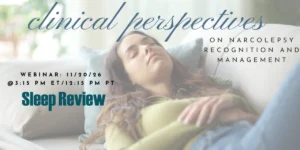
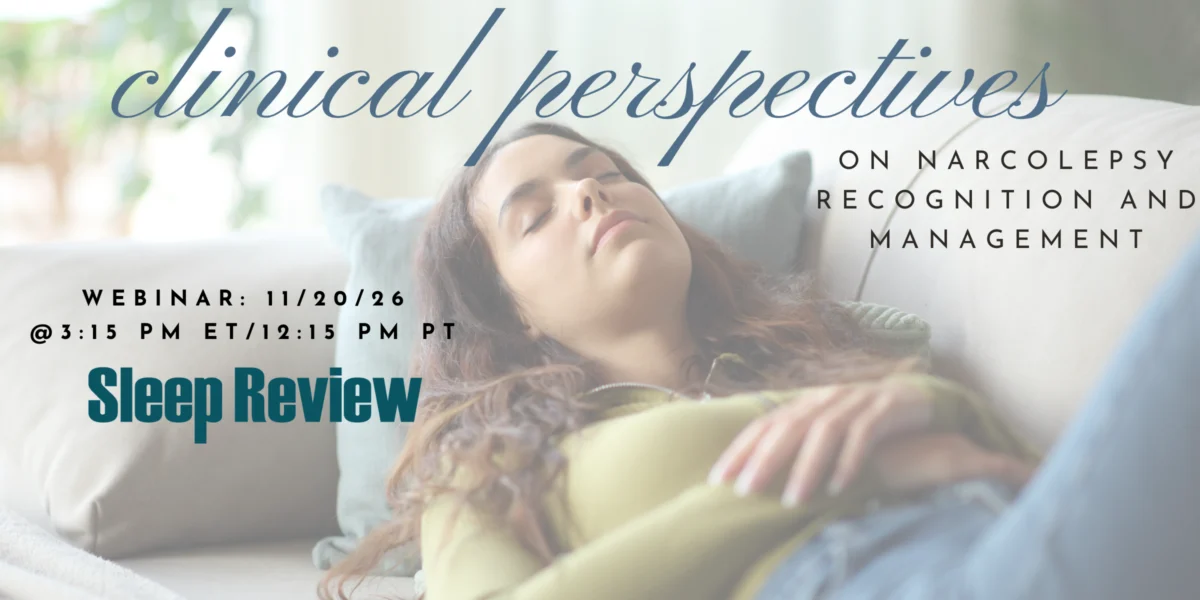
The upcoming webinar, scheduled for Friday, Nov 20, at 12:15 pm PT/3:15 pm ET, focuses on the essential shift from reactive to proactive care. By teaching providers to recognize the subtle, early-onset markers of the disorder, the presenters aim to reduce the systemic delays that keep patients trapped in a cycle of ineffective treatments.
Chronology: The Evolution of Narcolepsy Recognition
The history of narcolepsy diagnosis has been marked by a transition from broad, symptom-based observations to highly specific biological markers.
- Early 20th Century: Narcolepsy was largely misunderstood, often dismissed as a psychological or moral failing. It was not until the discovery of REM sleep and the link between emotions and muscle weakness (cataplexy) that the medical community began to categorize it as a neurological entity.
- The Late 20th Century: The development of the Multiple Sleep Latency Test (MSLT) and Polysomnography (PSG) provided the gold standard for clinical confirmation. However, these tests remain resource-intensive and often yield false negatives if not interpreted within the context of a patient’s broader medical history.
- The 21st Century: The discovery of hypocretin (orexin) deficiency in the brains of those with Type 1 narcolepsy shifted the paradigm. Today, we are moving toward a period of earlier recognition, where clinicians are encouraged to look beyond the sleep lab and into the granular, daily behavioral changes that signal the onset of the disease.
Supporting Data: Why Early Intervention Matters
Data consistently suggests that the average delay in diagnosing narcolepsy can range from 8 to 15 years. This delay has profound implications for quality of life, academic performance, and professional trajectory.
The Cost of Delay
- Psychosocial Impact: Prolonged, undiagnosed sleepiness leads to social isolation and cognitive decline.
- Diagnostic Overlap: Over 50% of patients are initially diagnosed with depression or anxiety, leading to the prescription of SSRIs or stimulants that may mask symptoms without treating the root cause.
- Economic Burden: The loss of productivity and the indirect costs of healthcare utilization associated with misdiagnosis represent a significant burden on the healthcare system.
The webinar will provide attendees with data-driven screening protocols designed to differentiate between primary sleep disorders and secondary symptoms. By utilizing standardized screening tools and targeted patient interviews, clinicians can effectively triage high-risk patients before they reach the point of severe impairment.
Expert Perspectives: A Collaborative Clinical Approach
Anne Marie Morse, DO, FAASM
Dr. Morse brings a wealth of expertise in pediatric and adult sleep medicine. As a prominent voice in the American Academy of Sleep Medicine (AASM), her work focuses on the intersection of neurological development and sleep architecture. She advocates for a "patient-centered" approach, emphasizing that the diagnostic criteria must be applied with a degree of clinical intuition that accounts for individual lifestyle factors.
Maggie Lavender, MSN, APRN, FNP-C
As a Nurse Practitioner, Lavender offers a frontline perspective on the practical implementation of screening protocols within a busy clinical setting. Her experience centers on the longitudinal management of patients, highlighting the necessity of education, patient advocacy, and the ongoing adjustment of treatment plans. Her contribution to the webinar will bridge the gap between abstract diagnostic guidelines and the reality of daily clinic management.
Implications for Clinical Practice
The primary goal of this discussion is to empower providers to stop viewing narcolepsy as a rare curiosity and start viewing it as a manageable chronic condition that, when caught early, responds well to therapy.
Key Takeaways for Attendees
- Refining Screening Questions: Moving beyond "Are you tired?" to specific inquiries regarding hypnagogic hallucinations, sleep paralysis, and the triggers of cataplexy.
- Diagnostic Decision-Making: When to order an MSLT and how to interpret results in the context of comorbid conditions.
- Individualized Management: Shifting away from "one-size-fits-all" pharmacotherapy toward a holistic model that includes lifestyle interventions, scheduled naps, and medication titration.
The implications for the healthcare system are significant. By reducing the diagnostic delay, clinicians can prevent years of patient frustration, decrease the risk of accidents related to microsleeps, and improve the long-term mental health outcomes of their patients.
Moving Forward: Logistics and Accreditation
The webinar is designed to be interactive, featuring a live Q&A session where attendees can challenge the speakers with real-world case studies. This is an essential component of the event, as the complexities of narcolepsy often defy textbook definitions.
Event Details:
- Date: Friday, Nov 20
- Time: 12:15 pm PT / 3:15 pm ET
- Platform: Live Webinar (Registration required)
- Accreditation: CSTE program application has been submitted for approval by the Board of Registered Polysomnographic Technologists (BRPT).
Building a Stronger Foundation
The transition from identifying a patient as "tired" to diagnosing them with a specific, treatable condition requires a shift in clinical culture. It requires skepticism of quick fixes and a commitment to the "why" behind the symptoms.
For the primary care provider, the nurse practitioner, and the sleep specialist, this webinar serves as a critical update on the latest clinical standards. As we move toward a future where biomarker testing and genetic screening become more accessible, the foundation of a good clinician—the ability to listen, observe, and synthesize information—remains the most powerful tool in the fight against narcolepsy.
Final Thoughts
Narcolepsy remains a challenging condition, but the landscape is shifting. With experts like Dr. Morse and Ms. Lavender leading the conversation, the medical community is better positioned than ever to demystify this disorder. By participating in this training, healthcare professionals are not just earning credits; they are reclaiming years of life for their patients. The path to diagnosis may be long, but it is one that, through education and vigilance, can be shortened significantly.
Registration Notice: All participants are encouraged to submit questions in advance or during the live session. For those seeking professional development credits, please ensure your registration information is complete to facilitate the post-event processing of your CSTE certification through the BRPT.