










Main Facts: The High Cost of "Help"
In the landscape of modern medicine, the psychiatric hospital is often framed as a sanctuary of last resort—a place where those in the throes of psychological crises can find safety, stabilization, and a path toward recovery. However, a harrowing account from a former patient at a "prestigious" acute psychiatric unit reveals a darker reality: a system where treatment often compounds the trauma it seeks to heal.
The case involves a 25-year-old individual who, fearing a hereditary mental health collapse similar to a sibling’s, voluntarily sought help at a top-tier facility. What followed was a three-month institutionalization characterized by "very bad medicine," dehumanizing social dynamics, and a cocktail of potent psychotropic drugs administered without informed consent. Decades later, the survivor of this ordeal argues that the harm caused by the institution—referred to as iatrogenic harm (harm induced by medical treatment)—was far more debilitating than the original anxiety and depression that prompted the admission.
This account highlights several systemic failures within the psychiatric establishment:
- The Credibility Gap: A pervasive skepticism from clinicians toward patients’ self-reported experiences.
- Polypharmacy without Diagnosis: The administration of heavy-duty antipsychotics and mood stabilizers in the absence of a clear psychotic or bipolar diagnosis.
- Environmental Trauma: A ward culture marked by lack of oversight, patient-on-patient harassment, and staff callousness.
- The False Prophecy: A grim clinical prognosis that failed to materialize, suggesting a lack of predictive validity in acute psychiatric assessments.
Chronology: From Crisis to Institutionalization
The Descent (Age 25)
The protagonist’s journey began at age 25, a period they describe as being clouded by the "shadow of a psychological apocalypse." Triggered by a tumultuous breakup and the haunting memory of an older sister’s permanent mental decline at the same age, the individual began experiencing severe anxiety, insomnia, and cognitive slowing. Fearing they were in the early stages of a "psychological cancer," they made the fateful decision to visit an emergency department to prevent potential self-harm.
The Admission and the Wall of Skepticism
Upon entering the acute ward of a renowned hospital, the patient expected a collaborative diagnostic process. Instead, they encountered an immediate "wall of distrust." Despite presenting voluntarily and seeking transparency, the patient found that psychiatrists and psychologists viewed their narrative with overt cynicism. This "power divide" set the tone for the ensuing three months, where the patient’s identity was subsumed by the label of "inmate."
Life Inside the Ward
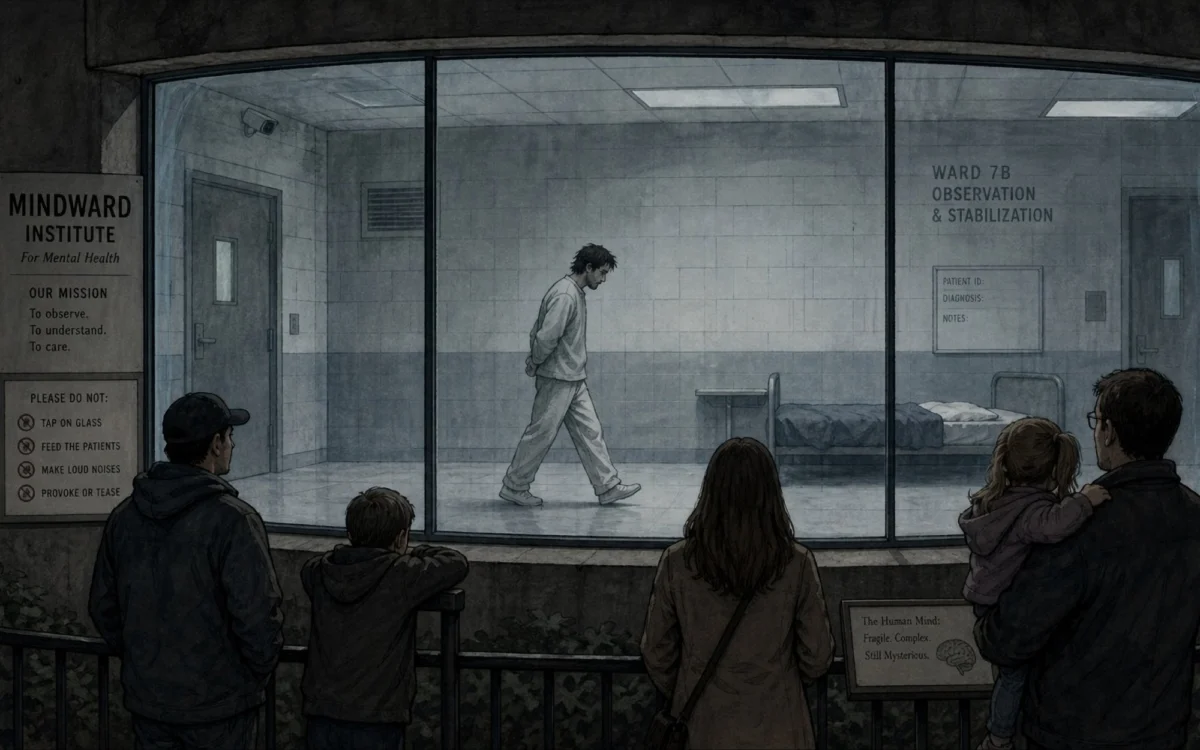
The environment of the acute ward was described as a "waking nightmare." The social fabric of the unit was chaotic; the patient reported being subjected to unwanted sexual advances from a roommate with no intervention from staff. Supervision was so lax that tensions between patients often simmered into hostility.
A recurring physical manifestation of the ward’s atmosphere was "pacing." Patients, driven by either extreme nervous energy or medication-induced akathisia, walked back and forth in confined spaces "like animals in a zoo." This compulsive movement became a symbol of the "torture" of institutionalization—an abundance of energy with no cognitive outlet or therapeutic engagement.
The Chemical Cocktail
During the stay, the patient was placed on a regimen of Clozapine (a potent antipsychotic typically reserved for treatment-resistant schizophrenia), Lorazepam (a strong sedative), and Lithium. This was done despite the patient never having experienced a psychotic episode. The diagnosis remained nebulous, with the medical team essentially "prescribing first and asking questions later."
The "90% Chance" Prophecy
Upon discharge, the head doctor informed the patient and their partner that there was a "90% chance" of readmission within two years. This prognosis cast a long shadow over the patient’s recovery, creating a self-fulfilling prophecy of fear that lasted for years. In reality, the patient never returned to a psychiatric ward, and the "breakdown" they feared proved to be a transient depressive episode exacerbated by the trauma of the hospital itself.
Supporting Data: The Reality of Iatrogenic Harm
The experience described is not an isolated incident but reflects broader critiques of the "medical model" in psychiatry.

The Akathisia and Motor Skill Decline
The patient’s "basketball incident"—where they found themselves physically unable to throw a ball 15 feet due to Clozapine—is a classic example of the neurological side effects of high-potency neuroleptics. Clozapine can cause significant motor impairment and lethargy. Research indicates that many patients are not fully briefed on these "extrapyramidal" side effects, leading to profound terror when they lose control over their own bodies.
The Validity of the DSM
The patient’s frustration with the lack of a "clear diagnosis" mirrors a long-standing debate regarding the Diagnostic and Statistical Manual of Mental Disorders (DSM). Unlike other branches of medicine where a blood test or imaging can confirm a diagnosis, psychiatric diagnoses are often based on subjective clusters of symptoms. Studies on "inter-rater reliability" have shown that different psychiatrists often provide different diagnoses for the same patient, leading to the "inconsistent and illogical cocktail" of drugs seen in this case.
The Long-Term Impact of Institutionalization
Studies on "institutionalization syndrome" suggest that long-term stays in psychiatric wards can lead to a loss of independence and social skills. The "iatrogenic harm" mentioned by the survivor refers to the psychological scars left by being stripped of autonomy. It took the survivor years to "learn how to function again," not because of their original anxiety, but because the hospital environment had effectively "de-skilled" them.
Official Responses and the Evolving Standards of Care
While the specific hospital in this account has not provided a public rebuttal (the events took place over 30 years ago), the psychiatric industry at large has faced increasing pressure to reform the "acute ward" model.
The Shift Toward Trauma-Informed Care
In recent decades, organizations like the World Health Organization (WHO) and various mental health advocacy groups have pushed for "trauma-informed care." This approach recognizes that the hospital environment itself can be a source of trauma. Modern guidelines emphasize "informed consent," where patients are partners in their treatment plans and are fully briefed on the side effects of medications like Clozapine and Lithium.
Professional Defense of the Medical Model
The psychiatric establishment often defends the use of aggressive medication in acute settings as a necessary means of "stabilization" to prevent suicide or violence. From a clinical perspective, the "90% readmission" warning may have been intended as a conservative risk assessment based on the high relapse rates of major depressive disorders, though critics argue such statements serve more as "nocebos" (negative suggestions) than helpful medical advice.
The Move Toward Peer Support
The failure of the "prestigious" ward to provide a sense of safety has led to the rise of "Peer-Supported Open Dialogue" and "Soteria-style" houses, which prioritize social connection and minimal medication over the traditional, locked-ward approach.
Implications: A Word of Caution for the Future
The survivor’s story serves as a stark warning about the potential for "very bad medicine" to masquerade as elite care. The implications for the mental health field are profound:
- The Necessity of Informed Consent: No patient should be administered potent psychotropics without a clear explanation of how those drugs will affect their physical capabilities, such as motor skills and cognitive processing.
- The Danger of Labeling: Diagnostic labels can act as a "shadow of fear." When a doctor provides a grim prognosis without a solid diagnostic foundation, it can impede a patient’s natural recovery and resilience.
- The Value of Lived Experience: The account underscores the importance of "Mad Studies" and the "Survivor Movement," which center the voices of those who have been harmed by the system.
- Institutional Skepticism: For those in crisis, the story suggests that "prestige" does not always equate to "competence." The survivor encourages individuals to "carefully weigh the risks and do your own research" before committing to an inpatient facility.
Ultimately, this narrative challenges the foundational assumption that the psychiatric ward is always the "safest" place for someone in distress. For this survivor, the path to true health only began once they were free of the institution, the drugs, and the dire predictions of the experts who claimed to know their mind better than they did. Thirty years later, the "90% chance of failure" has been replaced by a lifetime of autonomy—a testament to the resilience of the human spirit in the face of systemic medical failure.