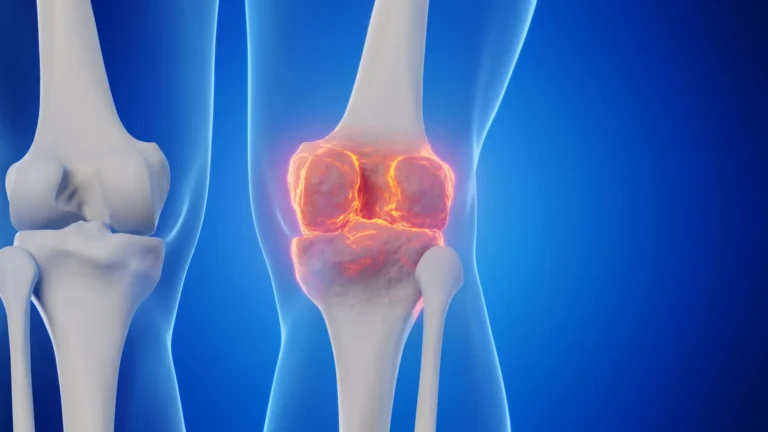
In the modern landscape of youth athletics, the pursuit of excellence has increasingly transformed into a high-stakes arena characterized by early specialization, year-round training cycles, and an unrelenting pressure to perform. Once defined by the simple joys of neighborhood pickup games and multi-sport versatility, the youth sports experience is undergoing a seismic shift. Coaches, parents, and medical researchers are now sounding the alarm, signaling that the current model of hyper-competitive development is fostering a growing crisis of physical and emotional burnout among children and adolescents.
As the industry grapples with these challenges, the conversation has moved beyond mere physical injury prevention. It now encompasses the holistic well-being of the athlete, questioning whether the trend toward professionalized youth sports is compromising the very individuals it aims to develop.
Main Facts: The Anatomy of Burnout
At its core, athletic burnout in youth is characterized by a syndrome of physical and emotional exhaustion, a sense of reduced accomplishment, and a growing detachment from the sport. Unlike temporary fatigue, which can be remedied with a few days of rest, clinical burnout represents a state of chronic depletion that often leads to permanent withdrawal from athletic activity.
The primary drivers of this phenomenon are clear:
- Hyper-specialization: The trend of committing to a single sport at a prepubescent age, often training for that sport 10 to 12 months a year.
- Training Volume: The intensification of practice schedules, which often mirror collegiate or professional training regimens, ignoring the physiological limitations of developing bodies.
- Psychological Pressure: The weight of parental expectations, college scholarship requirements, and the "winner-take-all" culture of elite travel leagues.
According to recent findings in Sports Health (DiFiori et al., 2025), the intersection of specialization and burnout is not merely correlative; it is causal. When children are deprived of developmental variety, their risk of overuse injuries skyrockets, and their psychological resilience—built through diverse experiences—is significantly undermined.
Chronology: How the Paradigm Shifted
To understand how we arrived at this juncture, one must look at the evolution of youth sports over the last three decades.
The Era of Multi-Sport Play (1990–2005): During this period, the athletic model was largely seasonal. Athletes played soccer in the fall, basketball in the winter, and baseball in the spring. This natural rotation allowed for muscle recovery, cognitive "freshness," and the development of varied motor skills.
The Rise of the "Travel Industry" (2005–2015): The proliferation of private travel clubs and specialized academies began to dominate the market. Marketing narratives suggested that early specialization was the only path to elite status. Parents, driven by a fear of "falling behind," began investing heavily in private coaching and year-round tournaments.
The Professionalization of Youth (2015–2022): The integration of digital scouting platforms, social media exposure for middle-schoolers, and the monetization of youth sports leagues turned athletics into a career-track endeavor rather than a formative childhood activity.
The Crisis Point (2023–Present): Research published in Current Sports Medicine Reports (Watson et al., 2025) suggests that the cumulative effects of these systemic changes have resulted in an unprecedented spike in mental health issues, including anxiety, depression, and severe burnout, forcing national governing bodies to finally acknowledge the need for structural reform.
Supporting Data: The Evidence of Strain
The data surrounding youth athletic development provides a sobering look at the current reality. Recent studies indicate that athletes who specialize before the age of 14 are significantly more likely to report symptoms of burnout than those who delay specialization.
- Injury Rates: Data shows a 30% increase in overuse injuries among young athletes participating in more than 16 hours of organized sport per week.
- The Drop-out Factor: Surveys suggest that by the age of 13, approximately 70% of children have quit organized sports, citing a "lack of fun" as the primary reason. This statistic is often overlooked by proponents of early specialization who focus solely on the top 1% of athletes.
- Psychological Markers: Research by Watson et al. (2025) highlights that "participation burnout" is often linked to a loss of autonomy. When a child feels their athletic participation is "owned" by their parents or coaches, the psychological distance between the child and their sport grows, leading to a profound sense of entrapment.
Official Responses: Shifting the Narrative
In response to these findings, a coalition of health organizations and coaching associations has begun a concerted effort to recalibrate the youth sports ecosystem. The consensus among medical experts is that the "More is Better" fallacy must be replaced with "Better is Better."
The American Medical Society for Sports Medicine and other health-focused entities are advocating for three pillars of reform:
- Mandatory Rest Periods: Implementation of at least one day of rest per week and at least three months away from a specific sport annually to allow for both physical recovery and psychological "reset."
- The "Age-Appropriate" Standard: Policies that discourage organized, high-intensity competition for children under the age of 12, favoring skill acquisition and unstructured, self-directed play.
- Educational Outreach: Programs designed to educate parents on the reality of college scholarship odds and the importance of a balanced life.
Many organizations are now actively discouraging "professionalized" environments for young children, labeling them as detrimental to long-term athletic development (LTAD).
Implications: The Future of Athletic Development
The implications of failing to address this crisis are severe. If the current trajectory continues, we risk a generation of young adults who harbor a permanent disdain for physical activity, having been "burnt out" by the very systems designed to foster their talent.
The Case for Multi-Sport Participation
Diversification is the ultimate hedge against burnout. By engaging in multiple sports, an athlete develops a broader range of athletic competencies—agility, spatial awareness, and strength—that are often ignored in specialized training. Furthermore, the social aspect of playing in different team environments fosters better emotional intelligence and adaptability.
The Role of Unstructured Play
Perhaps the most significant takeaway from modern research is the critical importance of "unstructured play." When children organize their own games, they learn to negotiate rules, resolve conflicts, and find intrinsic motivation. This self-governed play is a powerful antidote to the burnout caused by high-pressure, coach-led environments.
Redefining Success
Ultimately, the shift requires a cultural change. Parents, coaches, and administrators must move away from the obsession with immediate results—such as trophies, rankings, and tournament wins—and toward a model of long-term sustainability. The goal of youth sports should be to cultivate a lifelong love of movement and health, not to manufacture a professional athlete by the age of 12.
As noted in the 2026 Fitness Journal, the challenge of the next decade is not to produce more elite athletes, but to ensure that the ones we do produce arrive at adulthood with their passion, health, and love for the game intact.
Conclusion
The warning signs are unmistakable. The high-pressure, high-volume culture that has permeated youth athletics is unsustainable. By prioritizing the mental health and physiological integrity of our children, we can foster an environment where sports remain a source of joy and growth rather than a source of exhaustion. The path forward is clear: return to the fundamentals, embrace the value of rest, and recognize that the most successful outcome for any young athlete is a healthy, balanced, and empowered transition into adulthood.
References
- DiFiori, J. P., Brenner, J. S., & Jayanthi, N. A. (2025). Youth sport specialization, burnout and athlete well-being: Current perspectives and recommendations. Sports Health, 17(2), 145–153.
- Watson, A. M., Brooks, M. A., & Stensland, S. (2025). Mental health, burnout and participation trends among youth athletes. Current Sports Medicine Reports, 24(3), 88–95.
- Fitness Journal (2026). Issue 7: Managing the Physical and Mental Demands of Youth Development.