











Reviewed by Brian St. Pierre, MS, RD, and Helen Kollias, PhD
For many women in their late 40s and early 50s, the world begins to lose its sharp edges. A simple dinner conversation becomes a frantic search for vocabulary. A routine workday turns into a battle against an impenetrable mental haze. This isn’t just "getting older"; it is a profound, systemic shift that remains one of the most misunderstood and under-addressed chapters in women’s health.
The Anatomy of the Fog: A Personal Journey
The symptoms often start subtly. You might find yourself standing in the middle of a room, unable to recall the name of a lifelong friend, or staring at a computer screen, unable to parse a document you would have breezed through a decade ago.
For one woman, this "sludginess" felt like her thoughts were buried under a pile of garbage. “I’d sit in front of my computer screen, stare at a document, and will myself to do something constructive,” she recalls. “Everything seemed hazy, like those first few moments in the morning when you’re awake enough to turn off the alarm but too sleepy to do basic math.”
On her worst days, this haze was immovable. It wasn’t just a lack of focus; it was a total depletion of bandwidth. Reading, writing, and even basic household management became monumental tasks.
Chronology of a Misdiagnosis
For many, the path to understanding is paved with medical dead ends. After seeking professional help, many women are funneled into a standard diagnostic track that often misses the mark:
- Initial Consultation: Complaints of fatigue, irritability, and brain fog are frequently met with screenings for thyroid issues or anemia, which often return normal results.
- The Antidepressant Trial: Lacking a clear physiological culprit, many clinicians default to prescribing antidepressants or sleep aids. For many, these provide no relief and, in some cases, induce "zombie-like" side effects.
- The Turning Point: The revelation often occurs in the gynecologist’s office. When a patient mentions a seemingly minor symptom—such as vaginal dryness—it acts as a diagnostic key, unlocking a series of deeper questions about sleep, hot flashes, and mood stability.
What many women have been treating as clinical depression or generalized anxiety is, in reality, the systemic hormonal transition known as menopause.
Understanding Menopause: A Transitional Life Stage
It is vital to clarify: Menopause is not a disease. It is a natural biological transition, marked by the 12-month anniversary of a woman’s final menstrual period. However, as hormone levels—specifically estrogen—fluctuate and decline, the physiological impact can be profound.
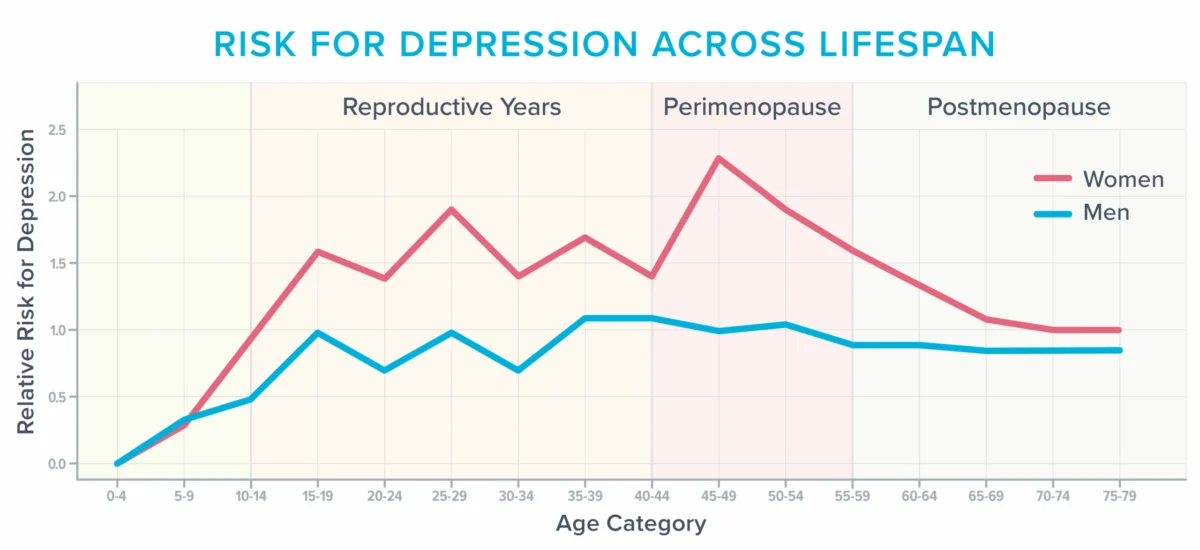
According to the American College of Obstetricians and Gynecologists (ACOG), approximately 40 percent of women report significant increases in irritability, mood swings, and cognitive decline during this phase. The data suggests this is a uniquely vulnerable period for mental health, with a distinct spike in depression risk during perimenopause.
The Vasomotor Connection: More Than Just "Hot"
For years, the medical community dismissed hot flashes and night sweats as mere annoyances. New research, however, paints a more complex picture. These "vasomotor symptoms" involve a surge in norepinephrine and cortisol, which causes blood vessels to dilate and the heart rate to spike.

The Brain-Vessel Link
Recent studies using MRI imaging have identified a correlation between frequent hot flashes and "white matter intensities"—small, patchy lesions in the brain. While once dismissed as signs of aging, these lesions are now viewed as potential markers for future cognitive decline. Furthermore, research indicates that frequent hot flashes are linked to decreased vascular elasticity, meaning the blood vessels that supply the brain may not be functioning optimally.
The Sleep-Deprivation Cycle
Perhaps the most damaging effect of vasomotor symptoms is the disruption of sleep. Many women suffer from "silent" night sweats; they wake up frequently due to a surge in stress hormones, but by the time they are fully conscious, the heat has dissipated. This creates a cycle of chronic sleep deprivation that inhibits memory consolidation and increases reactivity in the amygdala—the brain’s emotional center—leading to heightened anxiety and irritability.
The "Defensive Medicine" Barrier
A significant challenge in receiving proper care is the lack of specialized training for medical professionals. Surveys indicate that 80 percent of medical residents feel uncomfortable discussing menopause, and few residency programs provide dedicated training on the subject.
This leads to "defensive medicine." Many doctors, influenced by older, often misinterpreted studies from decades ago, hesitate to prescribe Menopausal Hormone Therapy (MHT), fearing a slight increase in breast cancer or stroke risk. However, modern clinical consensus—particularly for women under 60 who are within 10 years of the onset of menopause—suggests that for many, the benefits of hormone therapy far outweigh the risks, offering protection against osteoporosis and potentially reducing the risk of Alzheimer’s disease.
How to Advocate for Your Health
Navigating the healthcare system requires preparation. To ensure you are heard:
- Seek Specialists: Look for practitioners certified by the Menopause Society.
- Document Everything: Track your sleep, the frequency of hot flashes, and your mood. Specific data—such as "I wake five times a night"—is more actionable than general complaints.
- Practice Shared Decision-Making: Ask your doctor, "What are the specific risks and benefits for me?" rather than simply asking for a prescription.
Lifestyle Strategies for Cognitive and Emotional Well-being
While medical intervention is often necessary, lifestyle adjustments can provide significant support:
- Creatine Supplementation: A daily dose of 5 to 7 grams of creatine monohydrate has shown promise in supporting cognitive function and reducing mental fatigue, particularly in sleep-deprived individuals.
- Light Exposure: Morning sunlight is crucial for regulating the internal clock, which helps improve sleep quality and mood.
- The "Ease Back" Approach to Fitness: Middle age is a time to prioritize recovery. While exercise is essential, intense, back-to-back sessions may increase systemic stress. Balancing high-intensity work with "Zone 2" cardio or yoga can prevent burnout.
- Cognitive Behavioral Therapy (CBT-I): For those suffering from insomnia, CBT-I is a highly effective, non-pharmacological approach to retraining the brain for sleep.
- Dietary Adjustments: Adopting a Mediterranean-style diet, rich in nitrates from dark, leafy greens and beets, can support healthy blood flow to the brain.
The Hidden Opportunity: Re-evaluating Priorities
Ultimately, the menopausal transition forces a reckoning with one’s lifestyle. It is an invitation to ask, "Do I really need to do this?"
For many women, the struggle with brain fog acts as a catalyst for setting boundaries. Whether it is reducing working hours, simplifying household responsibilities, or learning to say "no" without guilt, the process of navigating menopause often leads to a more intentional, focused, and balanced life.
By treating the symptoms with the seriousness they deserve and implementing targeted lifestyle strategies, women can move through this transition not just with survival, but with clarity and renewed energy. The fog, while daunting, does not have to be permanent.