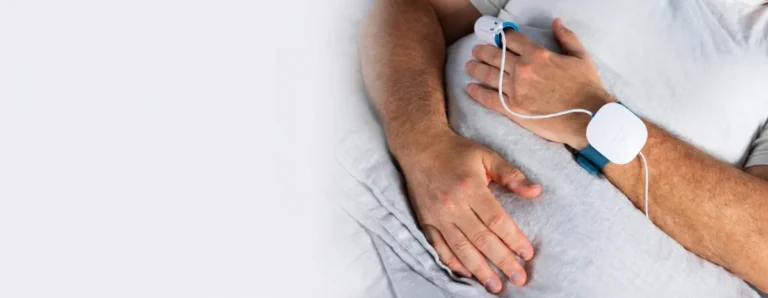
In an era defined by constant connectivity and heightened daily stressors, the quest for a restful night’s sleep has become a primary health concern for millions of Americans. What was once a routine biological necessity has, for a significant portion of the population, transformed into a nightly battle against insomnia, restlessness, and anxiety. As the struggle to drift off intensifies, a growing number of adults are turning to an array of pharmaceutical and alternative interventions, signaling a major shift in how society manages sleep health.
The State of Sleep: A Growing Reliance on Chemical Interventions
Recent data from the Centers for Disease Control and Prevention (CDC) has cast a spotlight on the widespread reliance on sleep aids. According to a comprehensive analysis, nearly 13% of U.S. adults reported using a sleep aid—ranging from prescription medications and over-the-counter (OTC) products to marijuana and cannabidiol (CBD)—at least occasionally, if not daily, over the past month.
This statistic is more than just a number; it is a barometer of a national health trend. While these products are designed to bridge the gap between wakefulness and slumber, their prevalence raises critical questions regarding their long-term efficacy and safety. Furthermore, the persistent struggle with sleep remains a public health paradox: despite the record-high use of sleep-promoting substances, nearly 30.5% of American adults still fail to achieve the recommended seven hours of sleep per night. This gap suggests that while Americans are actively seeking solutions, the methods currently in vogue may be falling short of providing the restorative rest the body requires.
Chronology of a Trend: From Pharmaceuticals to Plant-Based Alternatives
The evolution of sleep aid usage has undergone a significant transformation over the last decade. Historically, the market was dominated by traditional, sedative-hypnotic prescription medications, often associated with side effects such as morning grogginess and dependency.
As the regulatory landscape shifted and the public became increasingly wary of pharmaceutical side effects, a "naturalistic" turn occurred. The rise of melatonin supplements and the rapid legalization of cannabis across various U.S. states created a new marketplace for sleep aids.
- The OTC Boom: The early 2010s saw a surge in the accessibility of over-the-counter antihistamine-based sleep aids. While effective for short-term use, their long-term viability was quickly questioned by medical professionals.
- The Cannabis Pivot: As recreational and medical marijuana became more mainstream, anecdotal evidence began to permeate social discourse, positioning cannabis as a "natural" alternative to traditional hypnotics.
- The Current Landscape (2024–2025): The contemporary scene is characterized by a complex, multi-modal approach. Data from the American Academy of Sleep Medicine (AASM) indicates that consumers are increasingly experimenting with combinations of substances, often without formal medical guidance.
Supporting Data: Dissecting the Demographics
Gender and age play pivotal roles in how Americans approach sleep hygiene. CDC findings from 2024 reveal that women are statistically more likely than men to seek pharmacological intervention for sleep. However, the gender gap narrows significantly when examining marijuana use specifically for sleep, where usage rates between men and women reach near parity.
The American Academy of Sleep Medicine’s 2025 survey provides deeper insights into the perception of these aids. Notably, there is a clear demographic divide regarding perceived efficacy:
- Gender Disparity: Men are more likely to report that marijuana effectively aids their sleep (39%) compared to women (28%).
- Age Sensitivity: Adults aged 25 to 44 appear to derive the highest perceived benefit from cannabis, with 45% of that cohort reporting improved sleep outcomes.
Despite these positive perceptions, the reliance on these aids is often a symptom of underlying sleep architecture issues that chemical substances cannot address. The persistent prevalence of short sleep duration—less than 7 hours—indicates that these interventions may be providing a false sense of security while leaving the root causes of insomnia, such as sleep apnea or circadian rhythm disorders, untreated.
The Marijuana Paradox: Expert Perspectives and Risks
The trend toward using marijuana as a sleep aid is perhaps the most debated development in sleep medicine. While many users report that it helps them "shut off" their brain, the scientific reality is remarkably multifaceted.
Conflicting Research
Clinical studies have consistently yielded conflicting results regarding cannabis. While some cannabinoids may shorten the time it takes to fall asleep, they may also alter the quality of sleep, potentially suppressing REM (rapid eye movement) sleep—a critical stage for cognitive processing and emotional regulation.
The Psychological Component
A 2026 pilot study recently shed light on the power of belief. Participants who expected cannabis to improve their sleep often reported that they had slept longer and better, even when objective monitoring showed little to no change in their actual sleep architecture. This suggests a powerful "placebo" or psychological effect, where the ritual of using a substance helps lower anxiety levels, thereby easing the transition to sleep.
Health Trade-offs
Medical professionals emphasize that the risks associated with cannabis use for sleep are not trivial. These include:
- Dependency and Tolerance: The need for increasing doses over time to achieve the same sedative effect.
- Cognitive Impact: Potential daytime impairment and long-term effects on memory and executive function.
- Interaction Risks: Complications when combined with other medications or alcohol.
- Respiratory Issues: For those who choose to smoke or vape, the implications for pulmonary health remain a significant concern.
Clinical Recommendations: Prioritizing Evidence-Based Care
In light of these findings, sleep medicine experts are calling for a return to evidence-based practices. The gold standard for treating chronic insomnia is no longer a pill; it is Cognitive Behavioral Therapy for Insomnia (CBT-I).
CBT-I is a structured program that helps patients identify and replace the thoughts and behaviors that cause or worsen sleep problems. Unlike medication, which acts as a "band-aid," CBT-I addresses the psychological and behavioral underpinnings of insomnia, providing long-term, sustainable solutions.
The AASM Guidelines for Sleep Hygiene
Beyond clinical interventions, experts emphasize the "foundational pillars" of healthy sleep. The AASM recommends the following protocols to support natural sleep regulation:
- Consistency: Adhere to a strict sleep schedule, going to bed and waking up at the same time every day, including weekends.
- Environment: Create a sleep sanctuary. This means a room that is dark, quiet, and cool.
- Screen Hygiene: Avoid blue-light-emitting devices (phones, tablets, computers) at least 60 minutes before bed, as these suppress melatonin production.
- Mindful Intake: Limit caffeine and alcohol, particularly in the late afternoon and evening, as both can significantly disrupt the quality of your sleep cycles.
Implications for Public Health
The fact that such a large percentage of the population feels the need to use substances to sleep is an indictment of the modern lifestyle. The implications are clear: society is over-worked, under-rested, and increasingly looking for the "quick fix" provided by the pharmacy or the dispensary.
However, health is not merely the absence of wakefulness; it is the presence of restorative rest. When we rely on substances to override our biological signals, we risk masking symptoms that could point to more serious health issues, such as hypertension, cardiovascular disease, or mental health disorders.
Moving Forward: A Collaborative Approach
If you are struggling with your sleep, the most effective step you can take is to move away from self-medication and toward professional consultation. Engaging with a healthcare provider can help determine whether your sleep issues are environmental, psychological, or physiological.
In many cases, your doctor may refer you to an AASM-accredited sleep center or a behavioral sleep medicine specialist. These professionals are equipped to provide diagnostic testing, such as polysomnography, or to guide you through a course of CBT-I tailored specifically to your needs.
Ultimately, the goal of sleep science is not to manufacture sleep through chemicals, but to cultivate the conditions that allow it to occur naturally. By shifting the focus from "what can I take to sleep" to "how can I change my environment and habits to foster rest," we can move toward a healthier, more rested future. Good sleep is not a luxury; it is the cornerstone of a healthy life, and it deserves to be treated with the clinical rigor and personal attention that it requires.