










For millions of Americans, a diagnosis of obstructive sleep apnea (OSA) is supposed to be the turning point toward better health. It is the moment the mystery of chronic fatigue, morning headaches, and restless nights is finally solved. However, new research suggests that for a staggering number of patients, receiving a diagnosis is not the beginning of a recovery journey, but rather the start of a quiet, medical abandonment.
The "Untreated OSA Initiative Survey," a comprehensive new study sponsored by pharmaceutical company Apnimed, has shed light on a pervasive "treatment gap" that leaves a majority of diagnosed patients disillusioned, unsupported, and eventually, untreated. As the medical community grapples with these findings, a new national education campaign, Stranded With Sleep Apnea, has been launched to bridge the chasm between diagnosis and long-term care.
The Reality of the Care Gap: Main Facts
Obstructive sleep apnea is a serious medical condition characterized by repeated pauses in breathing during sleep. While standard interventions—such as Positive Airway Pressure (PAP) therapy and oral appliances—are effective when used consistently, the reality of patient adherence is grim.
The survey findings reveal a troubling trend: more than half (52%) of adults who were prescribed PAP therapies or oral appliances discontinued their treatment within the first six months. Even more concerning is the long-term outlook: 70% of those who stopped treatment have never made a serious attempt to restart or seek an alternative path.
This "stranded" population represents a critical public health failure. These individuals have moved through the healthcare system, received a formal diagnosis, and obtained a prescription, only to find themselves unable to integrate these therapies into their lives. Once they stop, the lack of follow-up care often ensures they remain untreated, essentially returning them to the same health risks they faced before their diagnosis.
A Chronology of the Patient Experience
To understand why patients are falling through the cracks, it is necessary to look at the typical "patient journey" through the sleep medicine landscape.
Phase 1: The Symptom-Driven Search
The journey often begins with years of undiagnosed, poor-quality sleep. Patients may experience irritability, high blood pressure, or daytime sleepiness that impacts their performance at work and their personal relationships. After finally consulting a physician and undergoing a sleep study, they receive the diagnosis of OSA. At this stage, there is often a sense of relief—a belief that "the problem is solved."
Phase 2: The Initial Intervention
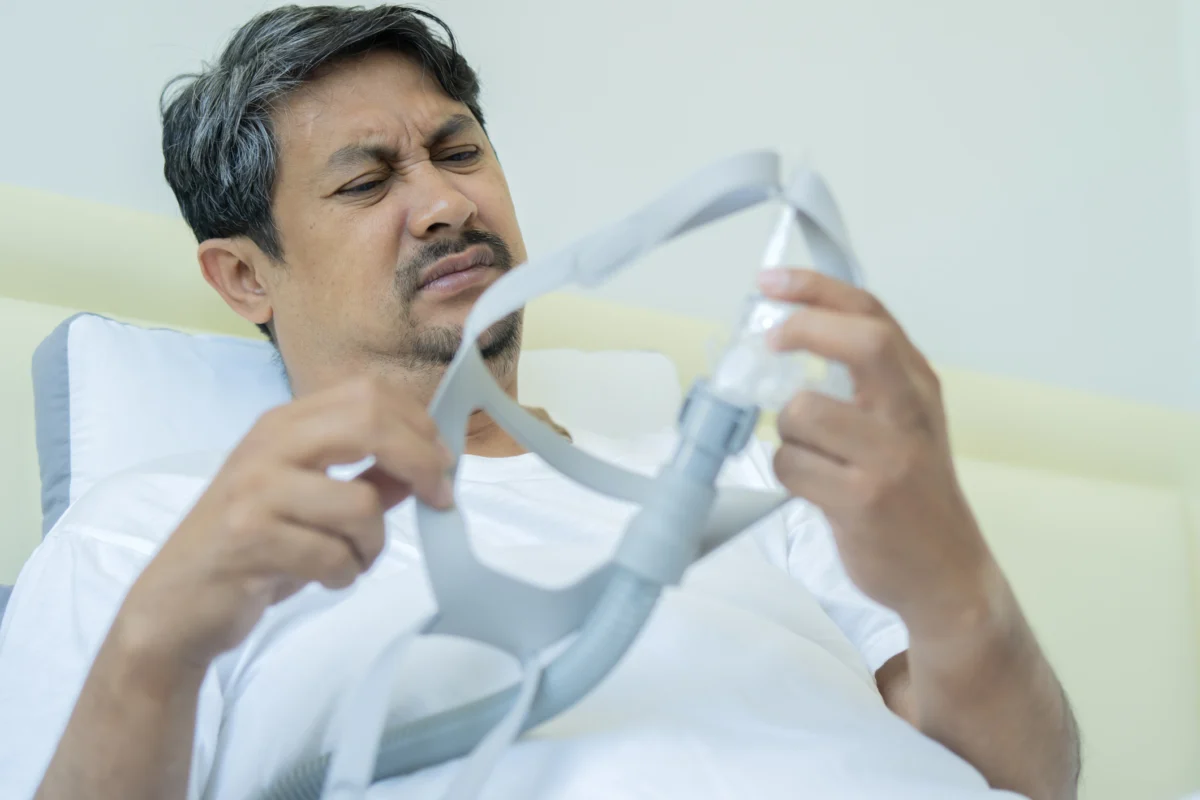
Patients are prescribed the current gold standard: CPAP (Continuous Positive Airway Pressure) or an oral appliance. They are sent home with equipment that requires a significant lifestyle adjustment. Many struggle with the physical discomfort of masks, the noise of machines, or the social stigma associated with wearing medical hardware to bed.
Phase 3: The "Silent" Discontinuation
The survey indicates that the "cliff" of treatment occurs within the first six months. When patients encounter hurdles—such as mask leaks, skin irritation, or psychological claustrophobia—they often feel they have no recourse. Without proactive follow-up from providers, many simply stop using the devices.
Phase 4: The State of Being "Stranded"
This is the final, and most dangerous, stage. The patient is aware they have a condition, but they feel the treatment is not viable. Because they have "tried and failed," they experience a sense of shame or defeat. The data suggests that the vast majority of these patients simply accept the status quo, living with the cardiovascular and cognitive risks of untreated OSA indefinitely.
Supporting Data: By the Numbers
The Untreated OSA Initiative Survey provides a granular look at the obstacles preventing sustained care. The research, which synthesized perspectives from patients, their bed partners, and healthcare professionals, identified several key barriers:
- The Six-Month Dropout Rate: Over 50% of patients abandon their treatment within the first half-year, indicating that the most critical period for intervention is immediately following the initial setup.
- The Reluctance to Re-engage: Among those who stopped treatment, 70% have made no move to reconnect with their care team. This suggests a total breakdown in the communication loop between the clinic and the patient.
- The Multifaceted Impact: The research highlights that untreated OSA is not just a "sleep" problem; it is a holistic health crisis. Patients reported significant impacts on their interpersonal relationships, professional productivity, and overall psychological well-being.
The survey was developed through a collaborative effort involving Project Sleep and the Alliance of Sleep Apnea Partners (ASAP), with input from the nation’s leading sleep medicine experts. By triangulating the data between the patient’s subjective experience and the clinical observations of doctors, the survey paints a picture of a system that is currently optimized for diagnosis but failing at maintenance.
Official Responses and Expert Perspectives
The launch of the Stranded With Sleep Apnea campaign comes at a pivotal time, especially as the industry looks toward new pharmacological treatments, such as Apnimed’s candidate AD109, which is currently under review by the U.S. Food and Drug Administration (FDA).
Kevin Lind, CEO of Apnimed, emphasized that the current model of care is insufficient. "A diagnosis should be the start of someone’s care, not the end of it," Lind stated in a press release. "The Untreated OSA Initiative Survey suggests many people living with sleep apnea are falling out of treatment and not finding their way back. We believe that not receiving treatment impacts their health, their relationships, and their daily lives. We want to help make untreated OSA impossible to ignore."
Clinical psychologist and sleep medicine expert Dr. Michael Breus underscored the psychological burden of these failures. "These findings are a wake-up call to the challenges people can continue to face even after seeking treatment for sleep apnea," Dr. Breus noted. "Behind these numbers are people who have tried to treat their sleep apnea and are still struggling to find a path that works for them. By shining a light on their experiences, I hope we can encourage more people to keep the conversation going with their healthcare providers and stay engaged in their care."
Emma Cooksey, a patient advocate and program manager at Project Sleep, spoke from personal experience regarding the isolation that accompanies failed treatment. "Initially, I struggled with sleep apnea treatment, and at times, I felt alone and isolated in trying to figure out a path forward," she said. "I know that so many people living with sleep apnea experience those same feelings. Stranded With Sleep Apnea brings patients, advocates, and clinicians together to send a clear message: you are not alone, you are not to blame, and there is a way forward."
Implications: The Path Forward
The implications of this data are profound. If 70% of those who stop treatment never seek to restart, it implies that the current healthcare model relies too heavily on patient self-advocacy. When a patient struggles with a CPAP machine, the current structure often assumes the patient will call the doctor. The data suggests, however, that the patient is more likely to simply give up.
Redefining Success in Sleep Medicine
To address the "stranded" phenomenon, the medical community must pivot toward:
- Proactive Monitoring: Moving away from a reactive model to one where clinicians check in on patients during the high-risk "first six months" window.
- Multimodal Treatment Options: Acknowledging that CPAP is not for everyone. The rise of oral appliances and emerging pharmaceutical interventions (like the one currently under FDA review) provides hope that the "one-size-fits-all" approach is ending.
- Destigmatization: As the Stranded With Sleep Apnea campaign emphasizes, the shame of "failing" at treatment is a primary barrier. Normalizing the fact that treatment is difficult and often requires multiple adjustments can help patients stay in the fold.
- Involving the Bed Partner: The survey highlights the importance of the partner’s perspective. Because the partner is often the first to notice the symptoms or the failure of the device, they must be integrated into the support system.
The "Untreated OSA Initiative Survey" is more than a collection of statistics; it is a mirror held up to a healthcare system that has been content with diagnosing a problem without solving the long-term struggle of the patient. By fostering an environment where patients feel empowered to speak up about their struggles without fear of judgment, the medical community can move toward a future where "being diagnosed" is truly the beginning of a better life.