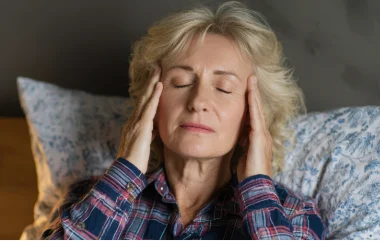
For decades, the narrative surrounding menopause has focused heavily on reproductive cessation and the physical discomforts of vasomotor symptoms—the infamous hot flashes and night sweats. However, a growing body of clinical evidence and recent survey data from the American Academy of Sleep Medicine (AASM) suggest that the most pervasive and damaging aspect of this transition is the systemic erosion of sleep health. For millions of women, the transition into menopause is not merely a hormonal shift; it is a profound disruption of the body’s circadian architecture.
The Main Facts: A Pervasive Disruption
Sleep is the cornerstone of physiological restoration, yet for women aged 45 to 64, it has become an elusive commodity. Current clinical consensus indicates that between 40% and 60% of women report significant sleep disturbances during the menopausal transition. These are not merely bouts of "light sleep"; they are documented sleep disorders, including chronic insomnia, fragmented sleep architecture, and obstructive sleep apnea.
The AASM’s 2025 survey highlights the scale of the issue:
- Nighttime Waking: Over 37% of women in this demographic report frequent awakenings that prevent the completion of healthy sleep cycles.
- Vasomotor Interference: Approximately 35% of women cite hot flashes and night sweats as the primary culprits for nocturnal arousal.
- Daytime Impairment: Nearly 30% of women report debilitating daytime fatigue, while 27% struggle with sleep-onset insomnia.
Perhaps most concerning is that only a small fraction—just 6%—report that their sleep patterns remain unchanged during this transition. This data underscores that for the vast majority, the menopausal transition acts as a catalyst for a decline in sleep quality that, if left unaddressed, can have cascading effects on long-term systemic health.
Chronology: The Progressive Erosion of Rest
The journey toward menopausal sleep disruption often begins well before the final menstrual period. Experts suggest that sleep health is cumulative; women who experienced "sleep debt" or poor sleep hygiene in their 30s and early 40s are statistically more likely to suffer severe insomnia once the perimenopausal transition begins.
- The Perimenopausal Onset: As estrogen and progesterone levels begin to fluctuate unpredictably, the thermoregulatory system of the brain becomes hypersensitive. This is the stage where "micro-awakenings" begin. A woman may not remember waking up, but her brain is being pulled out of restorative deep sleep (Stage N3) into lighter stages.
- The Menopausal Peak: Following the final menstrual period, the drop in estradiol is correlated with a significant reduction in REM sleep duration. During this phase, the body’s internal thermostat—the hypothalamus—becomes erratic. This causes the body to overheat during the night, forcing the brain to trigger a wake cycle to manage the perceived "fever" of a hot flash.
- The Post-Menopausal Baseline: If sleep disorders are not treated during the transition, they often solidify into chronic habits. The brain, having been "trained" to wake up at 3:00 AM due to hormonal surges, continues to do so even after hormone levels stabilize at their new, lower baseline.
Supporting Data: The Biological and Clinical Evidence
The physiological mechanism linking menopause to sleep loss is complex. Estrogen is known to have a "neuroprotective" effect, acting as a natural sedative and regulating the sleep-wake cycle by modulating the production of serotonin and GABA—neurotransmitters essential for relaxation. As estrogen declines, the brain’s threshold for arousal lowers, making the individual more susceptible to noise, temperature fluctuations, and stress-induced insomnia.
Recent studies published in journals such as Sleep and Journal of Clinical Sleep Medicine indicate that this hormonal withdrawal also changes the way the body processes stress hormones like cortisol. In menopausal women, elevated nighttime cortisol levels are frequently observed, creating a "wired and tired" sensation that prevents the transition from wakefulness to deep sleep.
Furthermore, the American Heart Association has highlighted a critical link: poor sleep during the menopausal transition is a non-traditional risk factor for cardiovascular disease. Chronic sleep deprivation increases systemic inflammation, insulin resistance, and blood pressure—a trifecta that significantly elevates the risk of stroke and heart disease in post-menopausal women.
Official Responses: Shifting the Clinical Paradigm
Medical associations are now pivoting toward a more proactive approach. For years, the medical community treated sleep complaints as a "symptom" to be ignored or dismissed as a natural part of aging. Today, that narrative is being replaced by a model of "Sleep-First Intervention."
The consensus from sleep medicine experts is clear: Sleep disturbance is not an inevitable fate.
Organizations like the AASM are calling for universal sleep screening during midlife wellness exams. This includes:
- Objective Assessment: Moving beyond subjective reports to utilize wearable technology and polysomnography to identify patterns of apnea or movement disorders that may be masked by menopausal symptoms.
- Holistic Treatment: Moving away from a "one-size-fits-all" sedative approach. Instead, clinical guidelines now favor a combination of Cognitive Behavioral Therapy for Insomnia (CBT-I), which has been proven highly effective for menopause-related sleep issues, alongside hormone replacement therapy (HRT) where clinically appropriate and safe for the patient.
Implications: The Long-Term Cost of Neglect
The implications of the current sleep crisis among women are far-reaching. From an economic perspective, lost productivity due to daytime fatigue and cognitive "brain fog" costs billions in lost wages and reduced workplace performance.
From a public health perspective, the implications are even more severe. Because sleep is essential for the clearance of metabolic waste from the brain, chronic sleep fragmentation in the midlife years is being investigated for its potential link to cognitive decline and the increased risk of neurodegenerative conditions later in life.
When women are told to "tough it out" or that "sleeplessness is just part of the change," the medical system is effectively allowing a preventable health decline. The quality of sleep a woman attains during her 50s may well dictate her metabolic, cardiovascular, and cognitive health in her 70s and 80s.
Strategies for Improvement: A Path Forward
While the hormonal drivers of sleep loss are biological, the management of these symptoms requires a multi-faceted approach:
- Cognitive Behavioral Therapy (CBT-I): Widely considered the "gold standard" for insomnia, CBT-I helps patients restructure the thoughts and behaviors that perpetuate sleep anxiety.
- Environmental Optimization: Maintaining a bedroom temperature of 65-68 degrees Fahrenheit is essential for women experiencing vasomotor symptoms. Breathable, moisture-wicking fabrics and high-performance bedding can also mitigate the physical impact of night sweats.
- Hormonal Consultation: Women should discuss their sleep quality with a gynecologist or endocrinologist to determine if hormone therapy is an appropriate clinical intervention.
- Circadian Alignment: Maintaining a strict wake-up time, regardless of how much sleep was achieved the previous night, is crucial for resetting the body’s internal clock.
The Bottom Line
The "menopause gap"—the period where women are left to navigate the intersection of hormonal shifts and chronic sleep loss—is closing. As awareness grows, the focus must remain on the fact that while menopause is a universal biological experience, the suffering associated with it is not.
Prioritizing sleep is not a luxury; it is a clinical necessity for the preservation of health and vitality. By acknowledging the severity of the crisis and integrating evidence-based sleep interventions into the standard of care for menopausal women, we can ensure that the "change" is a transition toward continued health rather than a decline into chronic illness. The future of women’s health depends on our ability to turn the lights out, settle the mind, and restore the sanctity of the night.