











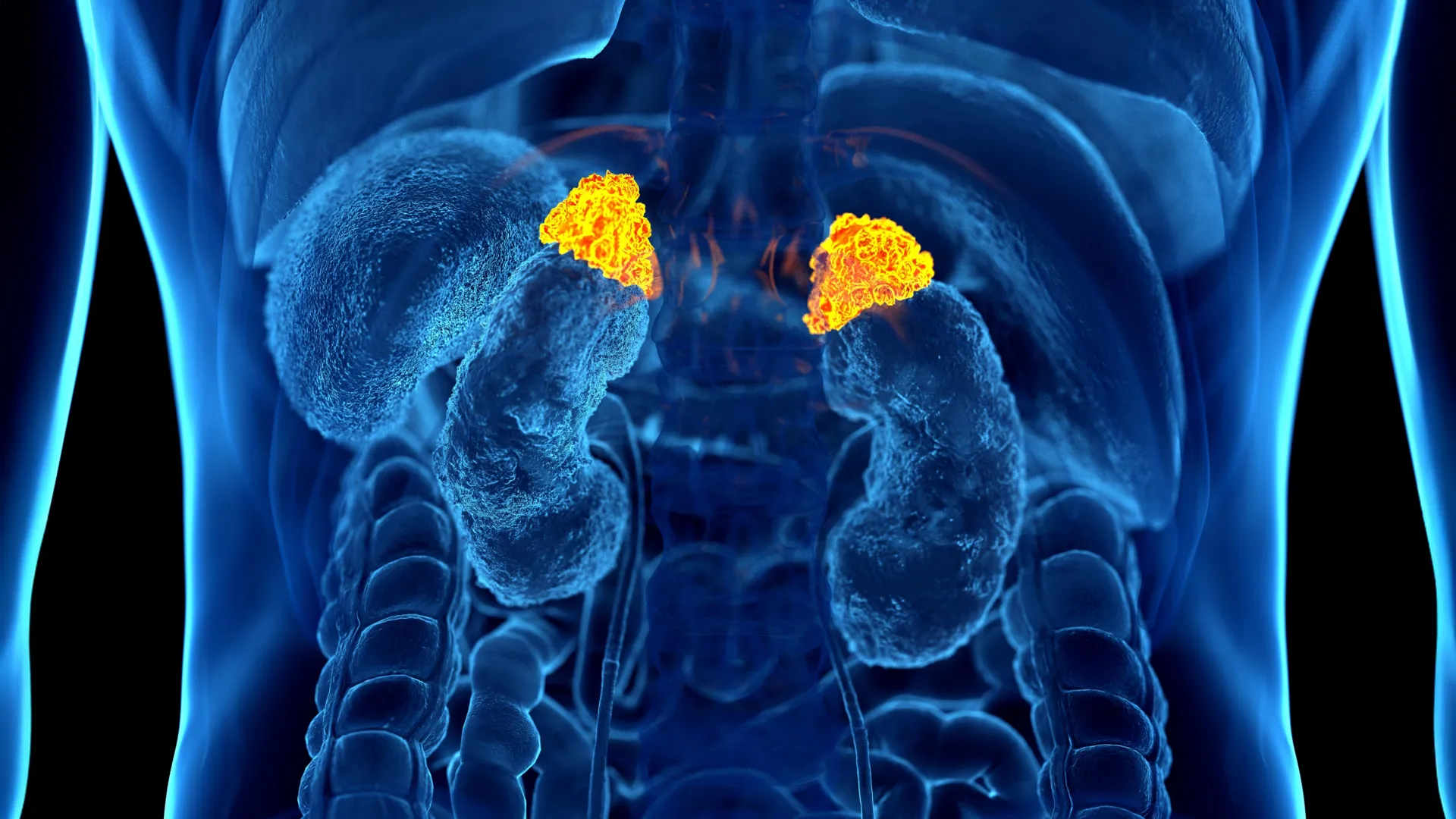
In a medical landscape where chronic stress has long been regarded as an "invisible" killer, researchers have achieved a breakthrough that promises to make the intangible visible. A team from the Johns Hopkins University School of Medicine has developed a deep-learning artificial intelligence model capable of identifying the first-ever biomarker for chronic stress directly through standard medical imaging. This discovery, set to be unveiled at the upcoming annual meeting of the Radiological Society of North America (RSNA), provides clinicians with a novel, objective method to quantify the cumulative "wear and tear" that stress inflicts on the human body.
The Hidden Burden of Chronic Stress
Chronic stress is far more than a psychological state; it is a systemic physiological burden. According to the American Psychological Association, prolonged exposure to stress disrupts the body’s homeostatic balance, contributing to a cascade of health issues including anxiety, insomnia, muscular pain, hypertension, and a compromised immune system. More alarmingly, the long-term biological cost—often referred to in medical circles as "allostatic load"—is intrinsically linked to the development of major life-threatening conditions, including heart disease, clinical depression, and metabolic disorders like obesity.
Until now, clinicians have struggled to measure this burden. Traditional diagnostic methods—such as stress questionnaires, serum inflammatory markers, and cortisol level testing—are often cumbersome, subjective, or provide only a narrow "snapshot" of a patient’s stress levels at a single point in time. Because cortisol fluctuates throughout the day, a single blood or saliva test rarely captures the cumulative, long-term impact of chronic stress. This new AI-driven approach fundamentally changes the paradigm by utilizing the adrenal glands as a biological barometer for the body’s prolonged stress response.
Chronology of a Medical Breakthrough
The development of this biomarker is the culmination of years of rigorous, multi-disciplinary research. The journey began with the necessity of finding an objective, longitudinal indicator of stress.
- The Concept Phase: Recognizing that the adrenal glands are central to the body’s hypothalamic-pituitary-adrenal (HPA) axis—the system that regulates the body’s response to stress—researchers hypothesized that chronic stimulation of this system would lead to a measurable change in gland size.
- AI Development: Led by Dr. Elena Ghotbi, a postdoctoral research fellow at Johns Hopkins, the team engineered a deep-learning model specifically designed to segment and calculate the volume of adrenal glands from existing, routine chest CT scans.
- Data Integration: The team utilized the Multi-Ethnic Study of Atherosclerosis (MESA) cohort, a massive, long-term study that provided a goldmine of data: chest CT images, validated psychological stress assessments, and longitudinal biochemical data.
- Validation: The researchers applied their AI model to these scans, defining the "Adrenal Volume Index" (AVI). They then cross-referenced these indices with participants’ salivary cortisol measurements taken eight times a day over two days, as well as comprehensive allostatic load markers including BMI, heart rate, and blood pressure.
- Correlation: By comparing the AI-derived AVI with 10-year follow-up data, the team successfully linked adrenal gland enlargement to clinical outcomes, specifically heart failure and mortality.
Supporting Data and Technical Methodology
The study’s robustness is grounded in its scale. The research analyzed data from 2,842 participants with a mean age of 69.3, providing a diverse, multi-ethnic sample size that ensures the findings are applicable across various demographics.
The technical core of the study is the Adrenal Volume Index (AVI), calculated as the volume of the adrenal glands (measured in cubic centimeters) divided by the square of the patient’s height (in square meters). This normalization ensures that the metric is proportional to the patient’s body size.
The correlations discovered by the team were statistically significant:
- Hormonal Alignment: Higher AVI values were directly associated with greater cumulative cortisol exposure and higher peak cortisol levels.
- Psychological Validation: Individuals who reported high levels of perceived stress on validated questionnaires consistently displayed higher AVI than their low-stress counterparts.
- Cardiac Connection: The most critical finding involved heart health. The researchers identified a connection between AVI and the left ventricular mass index—a key indicator of heart structure. For every 1 cm³/m² increase in AVI, the risk of heart failure and cardiovascular-related death rose significantly.
Perspectives from the Research Team
The senior author of the study, Dr. Shadpour Demehri, a professor of radiology at Johns Hopkins, emphasizes the accessibility of this new tool. "For the first time, we can ‘see’ the long-term burden of stress inside the body, using a scan that patients already get every day in hospitals across the country," he stated. Dr. Demehri notes that the "cumbersome" nature of previous testing methods meant that chronic stress rarely received the diagnostic attention it warranted in primary care. By leveraging routine imaging, this AI tool transforms a standard, often incidental finding—the size of the adrenal glands—into a high-value clinical biomarker.
Dr. Elena Ghotbi highlights the practical implications for patient care: "Our approach leverages widely available imaging data and opens the door to large-scale evaluations of the biological impact of chronic stress across a range of conditions using existing chest CT scans. This AI-driven biomarker has the potential to enhance cardiovascular risk stratification and guide preventive care without additional testing or radiation."
Dr. Teresa E. Seeman, a co-author and professor of epidemiology at UCLA, who has spent three decades researching the intersection of stress and health, praised the study’s impact on the field. "What makes this work so exciting is that it links a routinely obtained imaging feature, adrenal volume, with validated biological and psychological measures of stress and shows that it independently predicts a major clinical outcome. It’s a true step forward in operationalizing the cumulative impact of stress on health."
Implications for Future Clinical Practice
The implications of this study are profound, particularly for the fields of cardiology, preventative medicine, and gerontology.
1. Standardized Screening without New Procedures
Because millions of chest CT scans are performed annually in the United States for various diagnostic reasons, this biomarker can be integrated into existing clinical workflows almost immediately. Radiologists could potentially report the AVI as part of a standard chest CT reading, alerting primary care physicians to a patient’s elevated stress load before more severe clinical symptoms manifest.
2. Enhanced Cardiovascular Risk Stratification
Cardiology currently relies on traditional risk factors like cholesterol levels, blood pressure, and smoking history. The inclusion of an "Adrenal Volume Index" could provide a more comprehensive view of a patient’s physiological state. By identifying patients with high chronic stress loads, physicians could implement earlier, more targeted interventions—such as stress-reduction therapies, lifestyle counseling, or closer cardiac monitoring—thereby preventing the progression toward heart failure.
3. A New Physiological Baseline
The use of AVI as a proxy for chronic stress creates a tangible, "physiologically sound" measure of the body’s stress response. This shifts the conversation around stress from the subjective realm of patient-reported feelings to the objective realm of anatomical measurement. It provides clinicians with a data-driven basis for discussing stress management with patients who may otherwise downplay their symptoms.
4. Future Applications
While this study focused on an older, multi-ethnic cohort, the potential for application is wide-reaching. Researchers believe this model could be adapted for younger populations and applied to a variety of stress-related conditions. As the AI model is refined, it may become a standard tool in the diagnostic arsenal, helping to quantify the silent impact of modern living on the human body.
In conclusion, the work presented by the Johns Hopkins team at the RSNA represents a landmark shift in how modern medicine approaches the "invisible" burden of chronic stress. By turning the adrenal glands into a visible marker of systemic struggle, medical professionals now have a powerful new lens through which to view patient health, predict cardiovascular risk, and potentially save lives through early, informed intervention. As Dr. Demehri aptly put it, this is not just a technological advancement; it is a practical, scalable approach to tackling one of the most pervasive health challenges of the 21st century.