










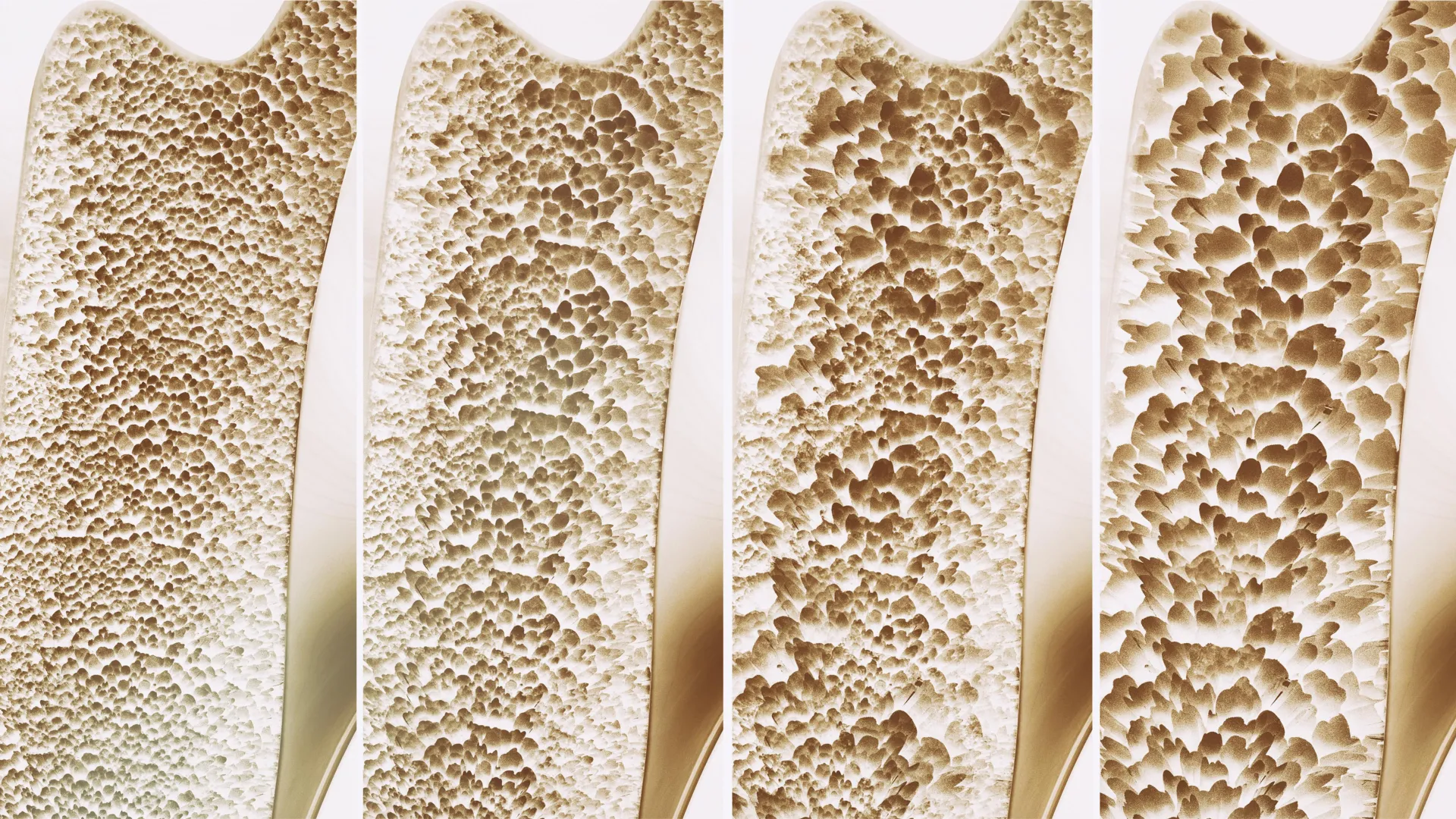
For decades, the standard advice dispensed in clinics and pharmacies across the globe has remained remarkably consistent: as we age, we must bolster our bone density. The primary tools for this mission have been calcium and vitamin D supplements, widely prescribed to fortify skeletal integrity and mitigate the risks of falls and fractures. However, a comprehensive meta-analysis recently published in The BMJ has sent shockwaves through the medical community, suggesting that for the vast majority of older adults, these supplements offer little to no clinically meaningful benefit.
This revelation forces a critical re-evaluation of long-standing public health guidelines and suggests that the billion-dollar supplement industry—and the clinicians who rely on it—may be focusing on the wrong interventions for the aging population.
The Magnitude of the Problem: Why Falls Matter
Falls represent a quiet epidemic in global healthcare. For individuals aged 65 and older, the statistics are sobering: nearly one in three seniors experiences at least one fall each year. These incidents are rarely benign. Beyond the immediate physical trauma, a fall can trigger a cascade of negative health outcomes, including chronic pain, loss of mobility, diminished independence, and a diminished quality of life that often necessitates long-term residential care.
As the global population ages, the prevention of fractures—particularly hip fractures—has become a cornerstone of geriatric medicine. Because fractures in older age are frequently linked to osteoporosis and low bone mineral density, the medical establishment has leaned heavily on nutritional supplementation. The logic seemed sound: if bones become brittle due to mineral deficiency, adding those minerals back into the diet should logically strengthen the skeletal structure and prevent injury. Yet, as the new data suggests, biology is rarely that simple.
A History of Mounting Skepticism
The recent BMJ study did not appear in a vacuum. For years, the scientific community has been plagued by conflicting data. While early observational studies suggested a correlation between high calcium/vitamin D intake and stronger bones, subsequent randomized controlled trials (RCTs) yielded frustratingly inconsistent results.
For many years, the debate centered on whether calcium alone, vitamin D alone, or the two in tandem provided the "magic bullet" for bone health. While some trials showed marginal improvements in laboratory-measured bone mineral density, these did not always translate into real-world outcomes, such as a reduced incidence of fractures. Furthermore, the role of vitamin D in preventing falls—once thought to be a primary benefit of the sunshine vitamin—has been shrouded in uncertainty, with various meta-analyses reaching contradictory conclusions.
Despite this ambiguity, the momentum behind supplementation has been difficult to stop. Regulatory bodies and professional health organizations have continued to issue broad guidelines advocating for the use of these supplements. Consequently, prescriptions and over-the-counter sales have surged, creating a cultural expectation that older adults must take these pills as a preventative measure against the "frailty" of aging.
The Mega-Analysis: Breaking Down 69 Trials
To finally cut through the noise, a team of Canadian researchers undertook a monumental task: a meta-analysis of 69 randomized controlled trials. This was not a small-scale study; the researchers synthesized data from 153,902 participants, providing an unprecedented level of statistical power.
Methodology and Scope
The researchers aimed to compare three distinct interventions—calcium alone, vitamin D alone, and combined calcium and vitamin D—against either a placebo or no treatment at all. The primary objective was to determine the efficacy of these supplements in reducing the risk of two specific outcomes: falls and fractures.
To ensure the integrity of the findings, the researchers applied rigorous criteria. They evaluated each study for potential bias and assessed the "certainty of the evidence" using standardized tools. By establishing strict thresholds for what constitutes a "clinically meaningful benefit," the team sought to distinguish between statistically significant changes that have no impact on a patient’s life and those that actually prevent injury.
The Findings: A Lack of Meaningful Impact
The results were stark. The study concluded that there is little to no reduction in overall fracture risk across the board.
- Calcium Supplements: Analysis of 11 trials involving 9,067 participants provided moderate-certainty evidence that calcium offers no meaningful benefit.
- Vitamin D Supplements: With 36 trials and 92,045 participants, the team found high-certainty evidence that vitamin D does not prevent fractures.
- Combined Supplementation: Even when combined, the 15 trials involving 51,126 participants showed no clinical advantage.
The findings held firm even when researchers looked at specific types of fractures, such as hip fractures, which are the most debilitating. Furthermore, the data showed no significant benefit in the prevention of falls, debunking the myth that vitamin D supplements could improve balance or muscle function sufficiently to prevent accidents in the elderly.
Consistency Across Demographics
One of the most compelling aspects of the research is the consistency of the findings. The researchers performed subgroup analyses to see if specific demographics—such as those with higher or lower baseline calcium intake, different sexes, or those with a history of prior falls—might benefit from supplementation.
In every category, the results remained the same. This uniformity across diverse groups bolsters the researchers’ confidence in their conclusion: the lack of benefit is not a statistical anomaly, but a fundamental reality of these interventions for the general older population.
Implications for Public Policy and Clinical Practice
The researchers have issued a bold call to action: it is time to stop the routine recommendation of calcium and vitamin D for the general aging population.
Re-evaluating Guidelines
The authors of the study have explicitly stated that their findings "do not support routine supplementation." They suggest that regulatory agencies, guideline panels, and professional medical organizations must re-examine their existing recommendations. For decades, the "default" prescription has been to add calcium and vitamin D to the treatment plan of any patient over 65. The BMJ report suggests that this practice may be an unnecessary burden on patients and a misallocation of healthcare resources.
The "Caveat" Clause
It is essential to note that the researchers included a vital disclaimer: these findings do not necessarily apply to everyone. Individuals with specific bone disorders, those currently undergoing medical treatment for osteoporosis, or those with severe deficiencies may still require targeted supplementation under the supervision of a specialist. The study focuses on the general population, not the clinical minority with diagnosed pathology.
Shifting the Focus: What Actually Works?
If supplements are not the solution to the fall epidemic, where should we turn? In a linked editorial, independent experts emphasized that the healthcare industry must shift its focus toward interventions that have been proven to work.
Proven Fall Prevention Strategies
The editorial argues that if we stop spending time and money on ineffective supplements, those resources could be redirected toward evidence-based programs:
- Resistance and Strength Training: Evidence consistently shows that maintaining muscle mass is the best defense against falls. Programs that focus on progressive resistance training can significantly improve gait, balance, and physical confidence.
- Balance Training: Activities such as Tai Chi or structured physical therapy have been shown to improve proprioception and reaction times in older adults.
- Hazard Assessment: Many falls occur due to environmental factors. Home modifications—such as installing grab bars, improving lighting, and removing trip hazards like loose rugs—are simple, low-cost interventions that yield high returns in safety.
- Personalized Risk Management: Rather than a "one-size-fits-all" supplement regimen, care should be personalized. Clinicians should conduct comprehensive fall-risk assessments, evaluating a patient’s medication list (some drugs increase dizziness), vision, and history of previous falls to create a tailored prevention plan.
Conclusion: A New Direction for Geriatric Care
The BMJ analysis serves as a wake-up call for the medical community. While the allure of a simple pill to prevent the complications of aging is strong, the evidence indicates that for bone and fall health, there is no shortcut.
Moving forward, the focus must shift from the biochemical to the behavioral. By prioritizing physical activity, environmental modification, and individual risk assessment, we can move beyond the "supplement era" and offer older adults more effective, evidence-based ways to maintain their independence and quality of life. The challenge now lies in the hands of the medical establishment to translate these findings into updated clinical practice and, ultimately, a safer future for our aging global population.