In the complex landscape of oncology, few challenges are as daunting as the recurrence of ovarian cancer. Despite the initial success of platinum-based chemotherapy, the disease often returns with a vengeance, metastasizing throughout the abdominal cavity and accounting for approximately 90% of mortality in patients. A groundbreaking study from The Wistar Institute, recently published in the journal Nature Aging, has unveiled a startling culprit in this lethal process: fructose.
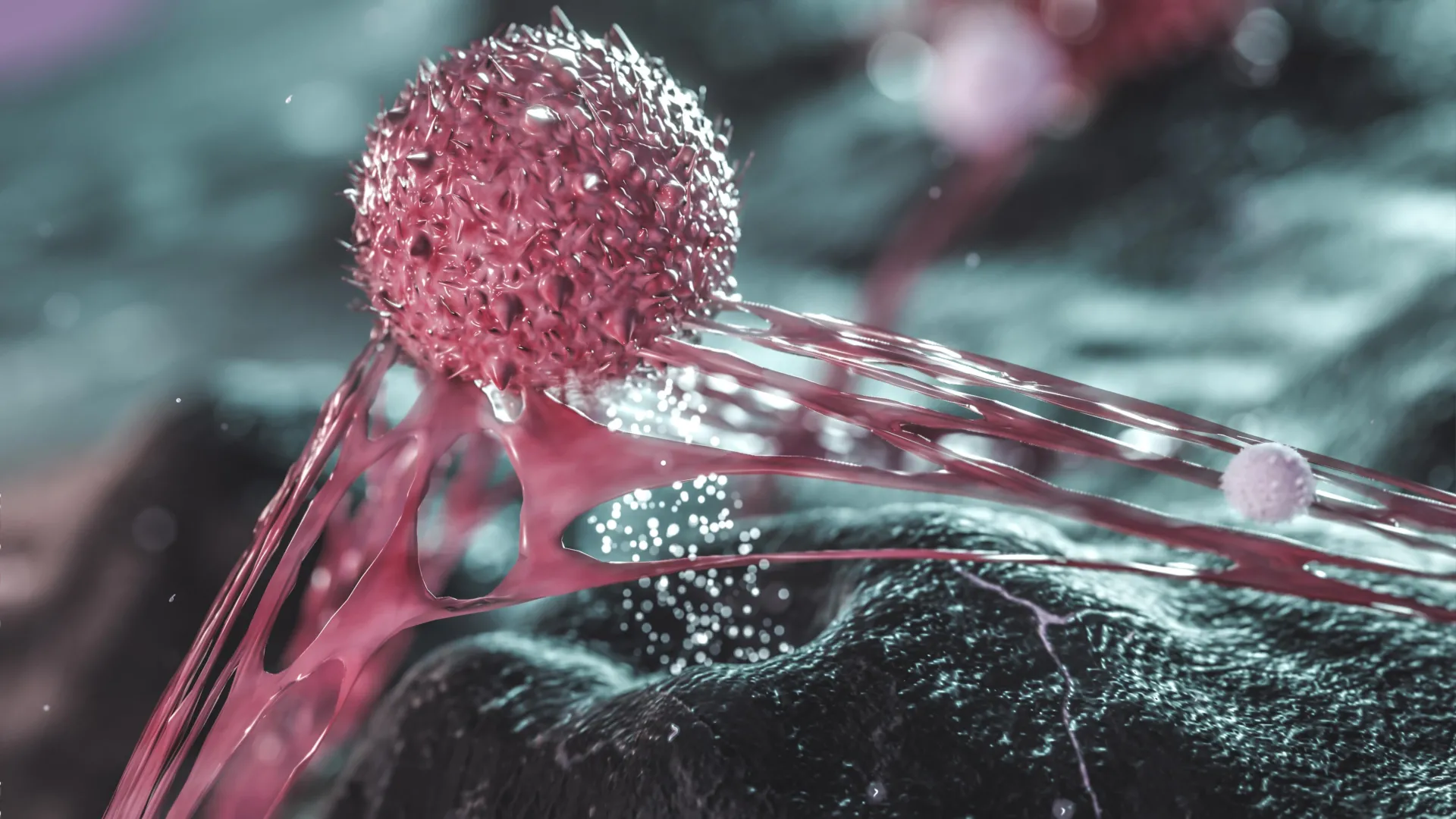
The research suggests that cancer cells surviving chemotherapy are far from dormant. Instead, they act as "command centers," releasing fructose as a signaling molecule to instruct neighboring, healthy-looking cancer cells to shed their structural integrity and spread. This discovery not only reframes our understanding of metastasis but also points toward the potential impact of dietary choices on cancer progression.
The Chronology of Discovery: From Lab Dish to Preclinical Insight
The path to this discovery began with a fundamental question: Why does ovarian cancer consistently recur after therapy? Dr. Aidan Cole, a postdoctoral fellow in the laboratory of Dr. Katherine Aird at The Wistar Institute, spearheaded the investigation into the behavior of "senescent" cells—cells that survive chemotherapy, cease dividing, but remain metabolically and biologically active.
The Signaling Hypothesis
Initially, the team hypothesized that these surviving cells were not merely passive bystanders but active participants in tumor recurrence. To test this, the researchers developed an experimental model that separated surviving cells from the surrounding tumor environment. By collecting the "secretome"—the mixture of molecules released by these surviving cells—and exposing other cancer cells to it, they observed a significant increase in the motility and invasive potential of the target cells.
As Dr. Cole noted, "As far as we know, this is the first time anyone has shown, in a preclinical model rather than just a dish, that it’s the molecules these cells release—not the cells themselves—that drive the cancer’s spread."
Identifying the Signal
Following the validation of this signaling mechanism, the team employed sophisticated metabolic profiling to identify the specific molecule responsible. The analysis pointed directly to fructose. The researchers discovered that these surviving cells were essentially "feeding" the tumor environment a fructose-based signal, which effectively lowered the internal cholesterol production of neighboring cancer cells.
The Biological Mechanism: Weakening the Cellular "Glue"
The study provides a granular look at how fructose facilitates metastasis. Through a series of large-scale analytical methods, including a CRISPR screen, the researchers identified a critical interaction between fructose metabolism and cellular adhesion.
Cholesterol as Biological Glue
Cholesterol is essential for maintaining the integrity of cellular membranes and, crucially, for the formation of junctions that keep cells tethered to one another. The researchers found that the fructose-induced signaling pathway inhibits the synthesis of cholesterol within neighboring cancer cells.
When intracellular cholesterol levels plummet, the "biological glue" that keeps these cells anchored to the primary tumor mass weakens. This loss of structural cohesion allows the cancer cells to break free, migrate through the abdominal cavity, and colonize new tissue. By essentially starving the cells of the cholesterol needed for adhesion, the fructose signal promotes a state of increased mobility, effectively "greasing the wheels" of metastasis.
Supporting Data: The Impact of Diet and Medication
The implications of this study extend beyond the cellular level, touching upon lifestyle factors and common clinical treatments.
The Role of Dietary Fructose
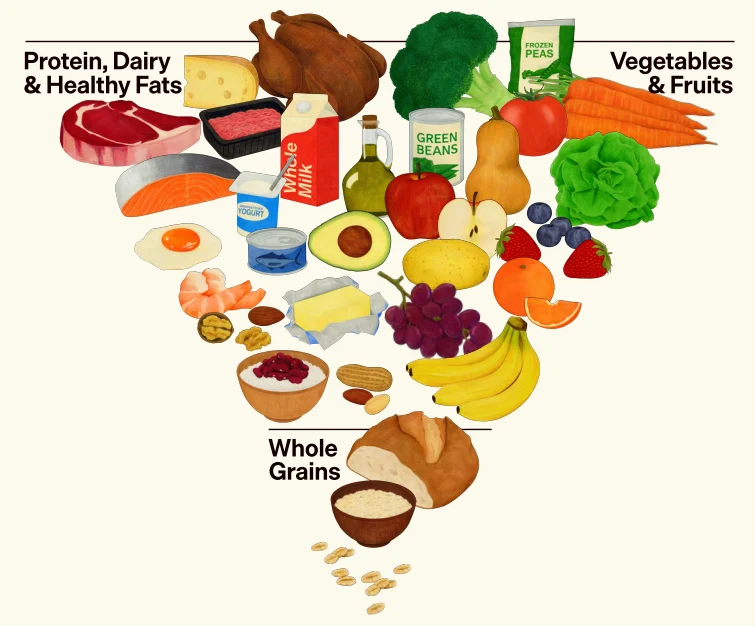
Perhaps the most provocative finding is that high levels of dietary fructose—comparable to the concentrations found in standard sugary beverages—can trigger this metastatic signaling pathway even in the absence of chemotherapy. This suggests that the high-fructose diets prevalent in the United States, where high-fructose corn syrup can account for up to 20% of daily caloric intake, might create a systemic environment that inadvertently supports cancer progression.
The Statin Conundrum
The research also highlights a complex clinical intersection regarding statins. As a widely prescribed class of drugs, statins are taken by roughly 39 million Americans to lower cholesterol. Because the study identifies low cholesterol as a catalyst for cancer cell detachment, the team explored how statins might interact with this process.
In the lab, statins were shown to weaken the connections between cancer cells, theoretically increasing their capacity for spread. This creates a delicate clinical paradox: while statins are vital for cardiovascular health, their mechanism of action—lowering cholesterol—may have unintended consequences for patients with aggressive, metastatic-prone cancers.
Official Responses and Expert Perspectives
Dr. Katherine Aird, senior author of the study and professor in the Molecular and Cellular Oncogenesis Program at the Ellen and Ronald Caplan Cancer Center, emphasizes the importance of caution when interpreting these results.
"We haven’t tested this effect in patients yet," Dr. Aird stated. "It raises questions about combining cholesterol-lowering drugs with chemotherapy, especially since ovarian cancer is most common in postmenopausal women who are often already on statins."
The researchers were quick to stress that patients should not discontinue prescribed medications like statins based on these findings. The study provides a foundation for future clinical trials but does not yet establish a direct causal link in human subjects that would warrant a change in standard care protocols. The team is currently looking toward future research to bridge the gap between their preclinical models and human clinical outcomes.
Implications for Future Oncology
The Wistar Institute’s findings represent a paradigm shift in how we view the "survivor" cells left behind after chemotherapy. By identifying fructose as a signaling molecule, the study opens several new avenues for cancer research and therapeutic development.
A Universal Mechanism?
While the current study focused specifically on ovarian cancer, the research team believes the pathway may not be unique to this malignancy. Dr. Aird noted that other cancers spreading within the abdominal cavity, such as pancreatic, colon, and liver cancers, might operate under similar biological signaling mechanisms. If this proves to be a broader phenomenon, the implications for dietary management and metabolic therapies in oncology could be transformative.
Rethinking Nutritional Intervention
The discovery that a common nutrient acts as a potent signal for metastasis suggests that nutritional intervention could eventually be integrated into cancer treatment regimens. While the medical community has historically focused on cytotoxic therapies (chemotherapy and radiation), this research underscores the emerging field of "metabolic oncology," where dietary control and metabolic pathway inhibition may serve as potent adjuncts to traditional treatment.
Future Research Directions
The team at The Wistar Institute is already mobilizing for follow-up studies. These investigations will focus on:
- Reproducibility: Testing the fructose-signaling pathway in a wider array of cancer types.
- Clinical Translation: Determining if dietary fructose restriction in patients improves outcomes or reduces the rate of recurrence.
- Combination Therapies: Investigating whether metabolic inhibitors can be paired with chemotherapy to "lock" cancer cells in place, preventing them from metastasizing during the treatment window.
Conclusion: A New Frontier in Precision Medicine
The study from The Wistar Institute is a profound reminder of the metabolic complexity of cancer. By mapping the communication line between surviving cells and their neighbors, Dr. Cole, Dr. Aird, and their colleagues have identified a vulnerability that could change the trajectory of ovarian cancer treatment.
While the path from a laboratory bench to a clinical bedside is long and rigorous, the identification of fructose as a metastatic signal offers a new target for drug development and lifestyle intervention. As the researchers continue their work, the medical community will be watching closely, hoping that this "sweet" discovery leads to a bitter end for one of the most aggressive and persistent forms of cancer.
Study Co-authors: Raquel Buj, Apoorva Uboveja, Alexander Tom, Amandine Amalric, Baixue Yang, Miho Naruse, Frederick Keeney, Andrew Kossenkov, Qin Liu (The Wistar Institute); Evan Levasseur, Hui Wang, Katarzyna M. Kedziora, Naveen Kumar Tangudu, Jeff Danielson, Callen T. Wallace, Esther Elishaev, Lauren Borho, Huda Atiya, Lan G. Coffman, Steffi Oesterreich, Aditi U. Gurkar, Francesmary Modugno, Simon C. Watkins (University of Pittsburgh); Amal Elhaw, Sierra White, Danyang Li, Dorota E. Jazwinska, Matthew S. Laird, George Tseng, Francisco J. Schopfer, Ioannis K. Zervantonakis, Wayne Stallaert, Nadine Hempel (University of Pittsburgh); Adam Chatoff, Andrea Andress Huacachino, Mariola M. Marcinkiewicz, Nathaniel W. Snyder (Temple University); Felicia Lazure, Ana P. Gomes (H. Lee Moffitt Cancer Center); Hope A. Townsend, Robin D. Dowell, Aaron Clauset (University of Colorado Boulder); Denarda Dangaj (University of Lausanne); Benjamin G. Bitler (University of Colorado Anschutz).
Funding: Supported by the National Institutes of Health, American Cancer Society, Ovarian Cancer Research Alliance, and various philanthropic foundations, including the HERA Ovarian Cancer Foundation and the Chan Zuckerberg Initiative.